
Paclife
Packaging
Asia Fruit Logistica addresses Bangkok's pressure on fruit exports
The e-commerce boom and transit times of up to 50 days turn packaging and modified atmosphere technologies into strategic tools for exporters
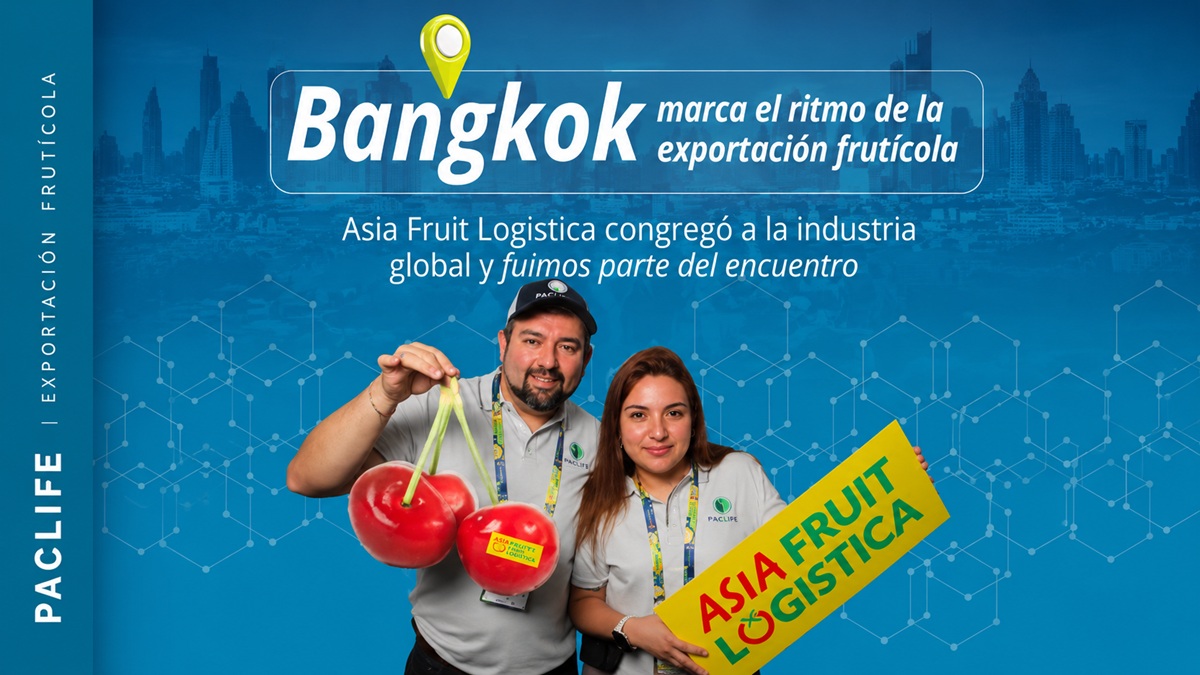
On May 18, Bangkok (Thailand) hosted the SE Asia Meet Up 2026, a technical and commercial event organized within the framework of Asia Fruit Logistica. The event brought together representatives from over 26 countries, confirming the strategic importance of South East Asia for the international fresh produce industry. With a population of nearly 700 million, a combined GDP exceeding USD 4 trillion, and steady regional growth at around 4.2%, the region stands as the world's fifth-largest economy and a high-potential destination for Latin American exports.
Shifting trends in Asian consumer behavior
A key focus of the presentations was the rapid evolution of consumer standards. Markets such as Vietnam, Indonesia, Thailand, Malaysia, and Singapore are quickly increasing their requirements regarding quality, presentation, and arrival condition, particularly among urban, middle-to-high-income segments.
Experts agreed that imported fruit no longer competes solely on price, but on nutrition, convenience, and overall purchasing experience. The market breakdown reveals distinct regional characteristics:
- Vietnam: Shows an annual growth rate of nearly 8%, importing over 1.9 million tons of fruit, making it Asia's second-largest importer after China.
- Indonesia: Maintains a volume of 700,000 tons per year with high price sensitivity, where marketing and product differentiation are essential.
- Thailand: Reaches 657,000 tons of imports, demanding the highest quality standards upon arrival.
- Malaysia: Accounts for 640,000 tons imported with a 5% tariff, driven by a price-sensitive consumer base.
- Singapore: Functions as a trendsetter market with the highest quality benchmarks in the region.
Additionally, the surge in e-commerce—which reached a Gross Merchandise Value (GMV) of USD 157.6 billion in 2025, led by aggressive digital growth in Thailand (+52%) and Malaysia (+48%)—is restructuring traditional logistics. Fruit must now endure more storage, handling, and "last-mile" delivery stages, placing immense pressure on postharvest shelf life.
The transit time challenge and cold chain gaps
The Association of Southeast Asian Nations (ASEAN) has become a strategic destination for Latin American berries, stone fruit, and superfoods. However, shipping times remain a critical bottleneck. Maritime transits to destinations like India or Thailand can extend beyond 45 to 50 days, a factor that is even driving localized production projects within Asia.
Technical sessions focusing on berries drew significant interest due to the commercial window between July and October, a period when local supply drops and Peruvian blueberries take center stage. Within this supply chain, postharvest preservation must withstand cold chain fluctuations during local distribution.
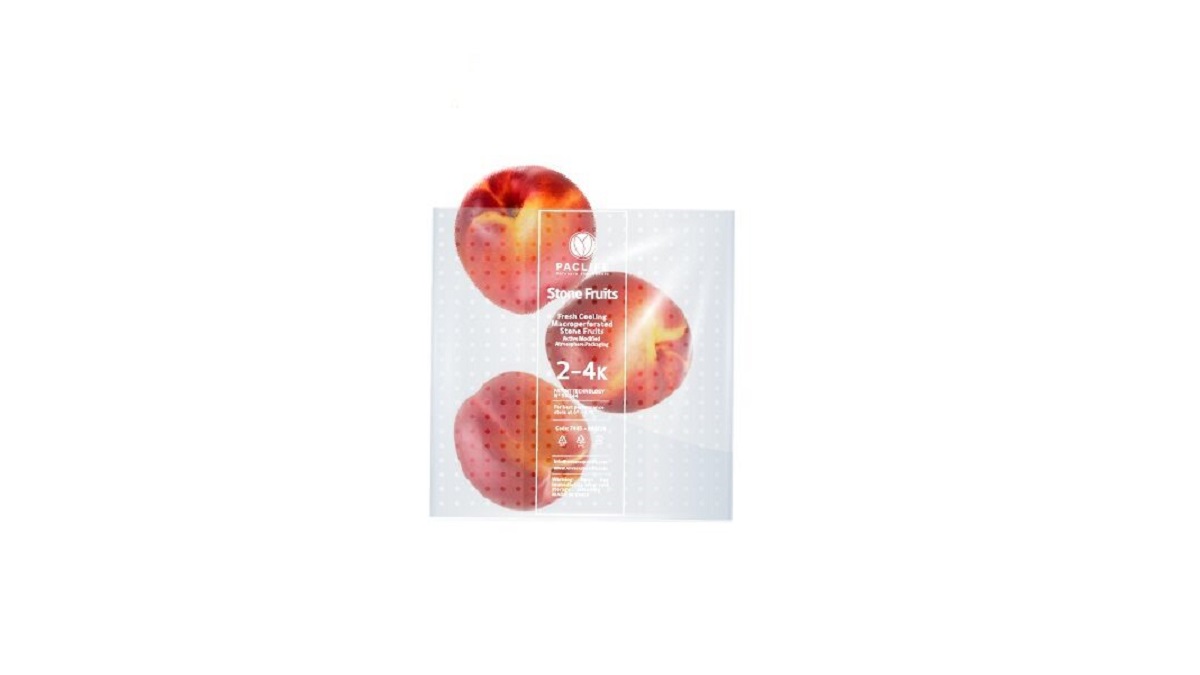
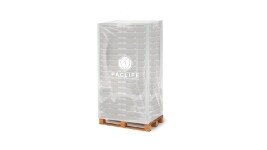
Under these conditions, advanced packaging technologies, such as those developed by Paclife, become essential tools to preserve firmness, color, and control weight loss.
Cristian Parra, technical representative, noted:
"Today, the challenge is not just reaching the destination, but arriving with fruit that can remain commercially competitive after multiple handling and domestic distribution points. Asian importers are increasingly prioritizing condition stability and the capacity to adapt to much more dynamic logistics setups."
The strategic role of packaging in safeguarding commercial value
The consensus at the Bangkok meeting was clear: packaging has evolved into a core strategic component of the export chain. The combination of extended transits, online retail expansion, and strict consumer expectations requires a thorough review of fruit protection protocols.
To compete successfully in today’s Asian markets, volume and supply windows are no longer enough. Arrival condition, resilience during extended distribution, and the actual performance of modified atmosphere packaging have become the decisive variables for maintaining product value, minimizing waste, and securing long-term competitiveness.

Paclife