
Paclife
Packaging
Packaging as a tool for quality in the post-harvest stage
Packaging choice has a direct impact on fruit quality throughout the post-harvest chain. Against a backdrop of highly demanding markets and more complex supply chains, packaging has become a tool capable of contributing to fruit preservation until it reaches its destination
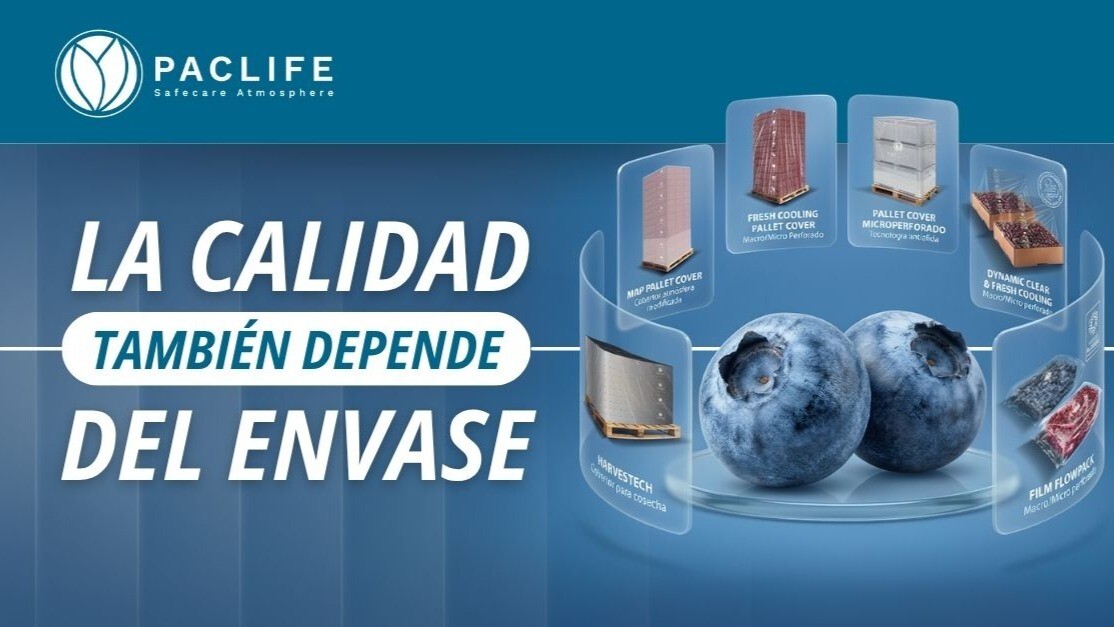
For years, packaging has been primarily regarded as a component associated with packing and transport. However, current export challenges have shown it also plays a key role in quality management, helping maintain suitable conditions of humidity, gas exchange and stability during storage, transit and marketing.
Fruit continues its metabolic processes from harvest all the way till the point of sale. Consequently, factors such as moisture and firmness loss, dehydration, apparition of free condensation or atmospheric imbalances can develop progressively during storage and transport. In this process, the environment created by the packaging around the product can significantly affect its quality’s preservation.
When post-harvest strategy affects quality at destination
Packaging that does not meet the fruit’s physiological requirements or fails to maintain stability when faced with temperature fluctuations can seriously compromise its final condition. In markets where appearance, hydration and firmness are decisive factors due to consumers’ preferences, these differences can result in lower acceptance and a reduction in commercial value.
Marcela Silva, Technical Manager for Post-Harvest at Paclife, explains:
“Maintaining the fruit’s quality right through to its destination is one of the major challenges of the post-harvest process. In this process, every tool used can influence key variables such as the product’s moisture content, firmness and appearance”
According to Silva, fruit today faces increasingly variable logistics chains, with longer transit times, temperature fluctuations and different commercialization scenarios.
Packaging as a tool for quality and good condition
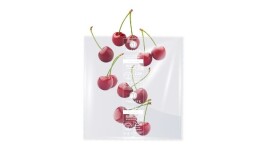
In sensitive crops such as cherries, blueberries or table grapes, small differences in physical state can have a significant impact on the perception of quality and the outcome of the export programme.
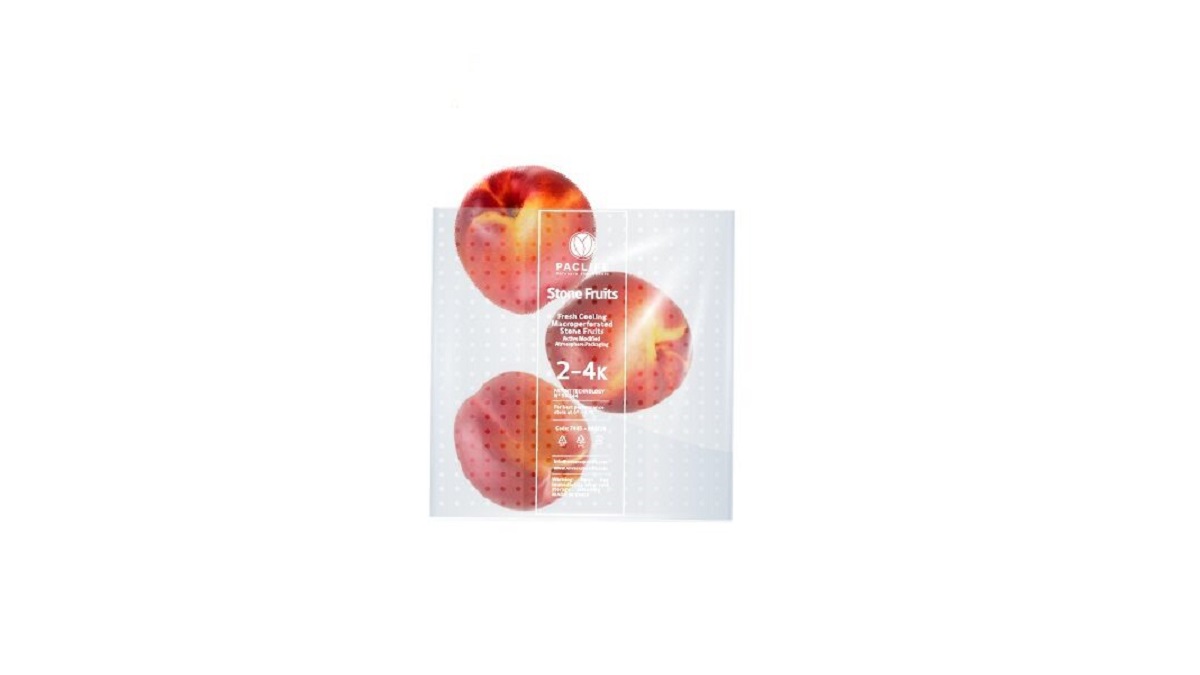
A dehydrated pedicel, loss of bloom, visible signs of dehydration or reduced firmness directly affect the product’s acceptance at its destination. Whilst these problems are often attributed to transit, they are also linked to the packaging’s ability to create a suitable environment around fruit during storage and transport. Technologies offering tailored permeability, efficient moisture management and condensation control are playing an increasingly important role in post-harvest strategies.
Gonzalo Quitral, Head of R&D at Paclife says:
“Today, the challenge is not just about transporting the fruit. It is also about maintaining its quality during increasingly long and demanding journeys. The packaging must act as a tool, capable of creating an environment that helps reduce physiological stress and protect the attributes valued by the market”
These technologies enable the creation of more stable microenvironments around the product, helping to reduce moisture loss and maintain quality attributes during increasingly prolonged export programmes.
In a scenario where markets demand ever-better condition on arrival and transit times continue to increase, post-harvest management can no longer rely solely on handling carried out in the field or at the packing facility. Technical evidence shows that variables such as humidity, gas exchange and the stability of the environment surrounding the fruit directly influence its preservation.
Consequently, packaging has become a strategic tool in modern post-harvest management, with the capacity to impact the quality, condition and commercial potential of the product at its destination.
Paclife