Phytosanitaries
Cactus mucilage matrix conjugated with lactic acid-producing bacteria to combat anthracnose
Researchers at the Federal University of Paraíba, Brazil, are developing a biocontrol method for anthracnose (a fungus that affects avocados during the postharvest period) using an innovative approach: a system that combines lactic acid-producing bacteria with cactus mucilage.
.jpg)
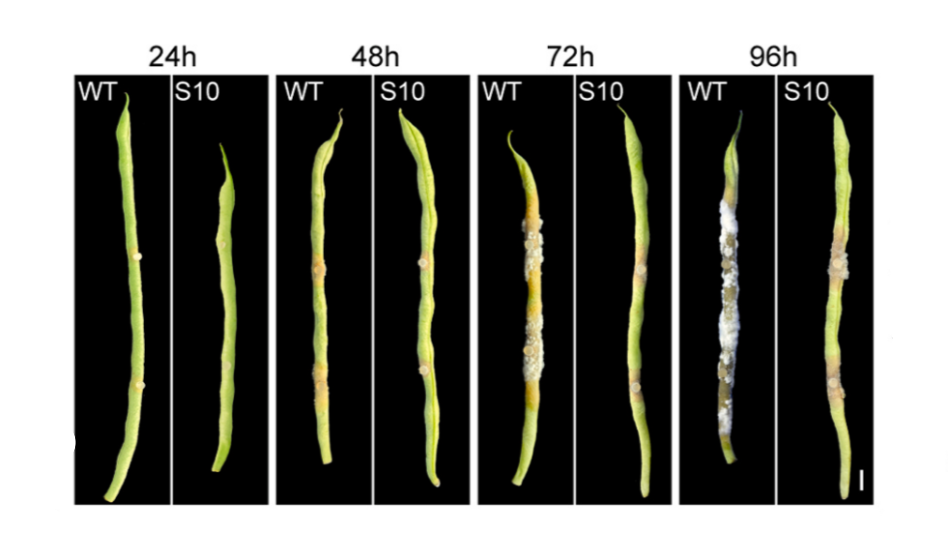
Avocados are, of course, susceptible to various postharvest pests. One of the most significant is anthracnose, caused by fungi of the genus Colletotrichum, which includes several associated species such as C. antrisci, C. siamense, C. fruticola, and C. perseae. Anthracnose causes dark necrotic lesions, significantly reducing the fruit’s commercial value.
Currently, control of this disease relies primarily on the use of synthetic chemicals, such as prochloraz; however, strains resistant to these treatments are beginning to emerge. Furthermore, repeated use of synthetic fungicides can lead to problems for human health and the environment, and these face growing opposition from both lawmakers and consumers.
A research group at the University of Paraíba explored the possibility of using microbes to control fungal growth.
The group used lactic acid-producing bacteria—which are generally recognized as safe by both the FDA (U.S. Food and Drug Administration) and the EFSA (European Food Safety Authority)—in combination with a cactus mucilage matrix. The mucilage would serve to coat the fruit, creating an edible covering that would harbor the lactic acid-producing bacteria. Not only that, but thanks to its physical properties, it would be able to prevent water loss and gas exchange from the fruit.
The study used mucilages from two cactus species: opuntia (Nopalea cochenillifera) and facheiro (Pilosocereus pachycladus). As for the lactic acid-producing bacteria, five different species were used (Levilactobacillus brevis, Lactiplantibacillus plantarum, Lactiplantibacillus pentosus, Lacticaseibacillus paracasei, and Limosilactobacillus fermentum), which were subsequently combined to formulate the mixtures to be used in the experiment. C. siamense was used as the pathogenic fungus.
Antifungal activity was tested in two settings: first in vitro, on agar plates, and subsequently on avocados.
In vitro, three of the bacterial species were found to inhibit fungal growth by nearly 100%: L. plantarum, L. pentosus, and L. fermentum. In the trial combining these three species with the mucilages from the two types of cactus, the opuntia mucilage showed the greatest inhibition of C. siamense growth.
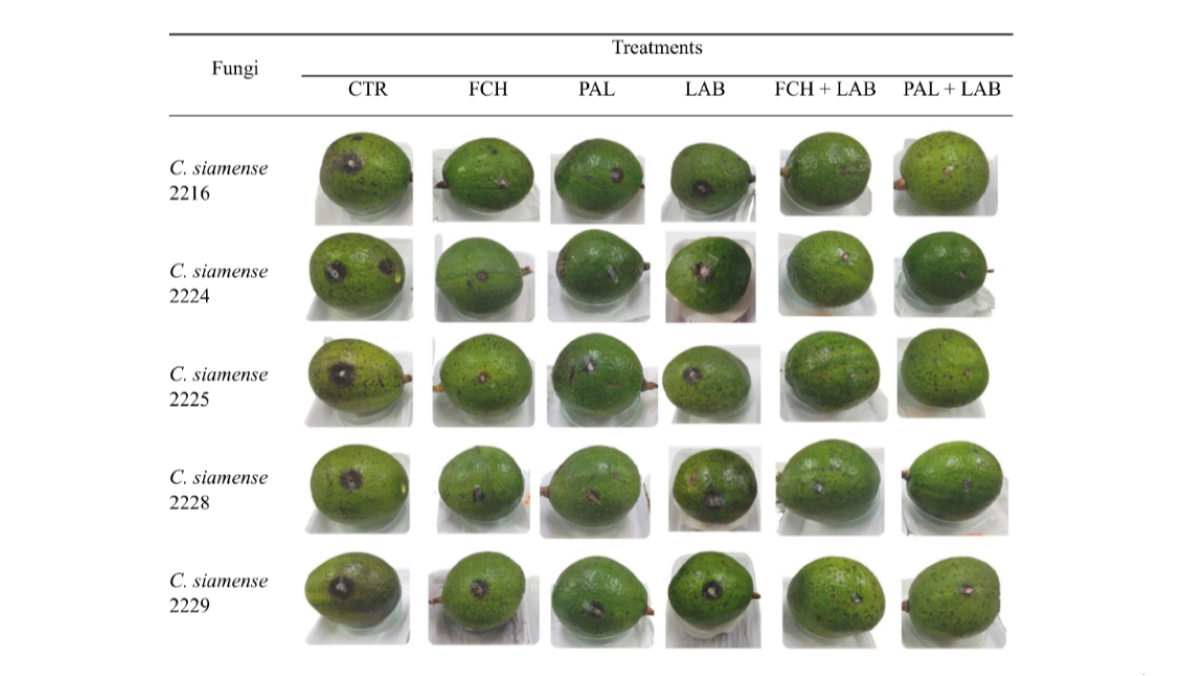
When applied to avocados inoculated with different strains of C. siamense, the reduction in the diameter of the anthracnose lesion was measured over 7 days. For some strains of C. siamense, a 100% reduction in the lesion was achieved, both for formulations containing opuntia and facheiro.
When compared to avocados treated only with lactic acid-producing bacteria and those treated only with the mucilage (both groups showed a 30–50% reduction in lesion size), one of the researchers’ theories was confirmed: that the mucilage allows for a more prolonged release of lactic acid, the primary antifungal agent in this formulation.
In conclusion, this innovative, entirely natural formulation effectively controls lesions caused by anthracnose without ever requiring the use of synthetic chemicals.
Source: de Sousa Bento, N., de Souza, E. L., Pontes, B. R. R., de Medeiros, V. P. B., Fernandes, K. F. D., da Silva, J. Y. P., ... & de Oliveira, K. Á. R. (2027). Bioactive cactus mucilage coatings incorporating a mixed lactic acid bacteria culture to inhibit Colletotrichum-induced anthracnose in avocado. Postharvest Biology and Technology, 243, 114732.
Related news