News
Postharvest management in Mexico
Mexican fruit and vegetable producers differ widely in terms of production scale, infrastructure, access to technology, financing capacity, and market destination; Uscariaga-Sosa et al. summarizes the postharvest quality implications
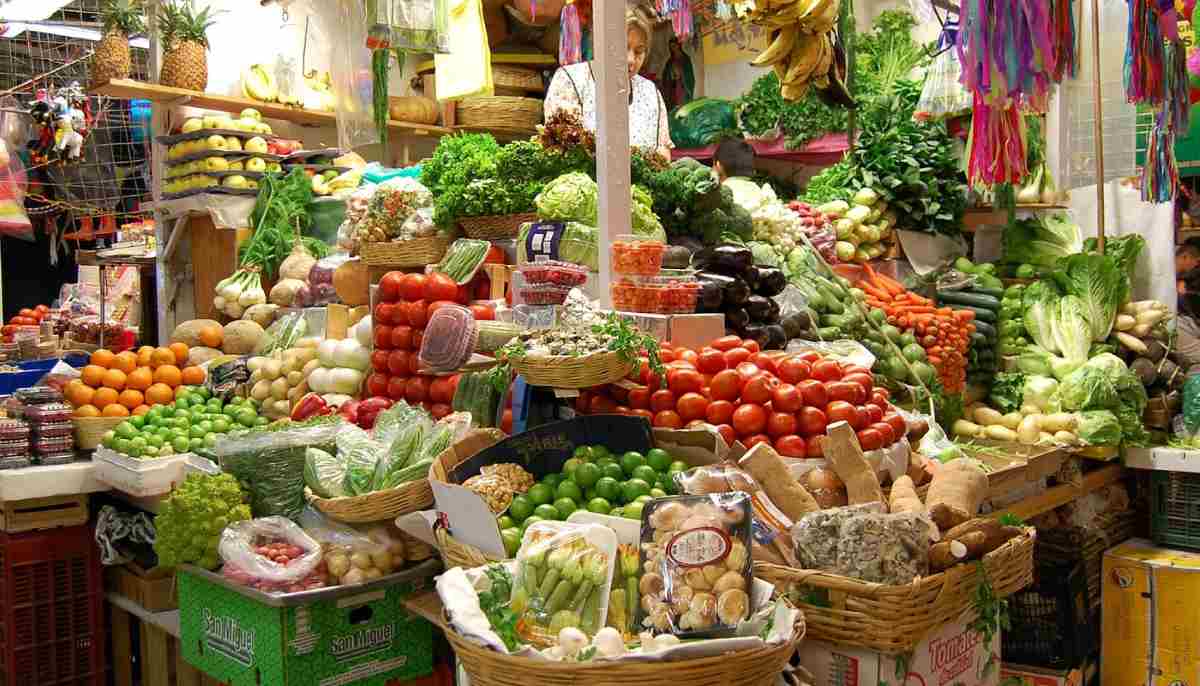
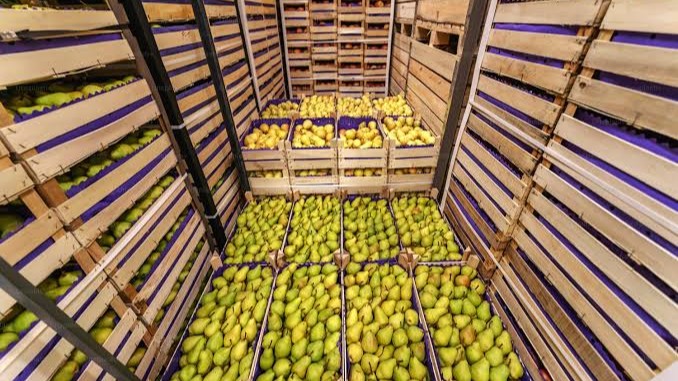
Proper handling during harvesting and subsequent postharvest management is essential to reduce losses in fruits and vegetables, particularly because these products remain metabolically active after harvest.
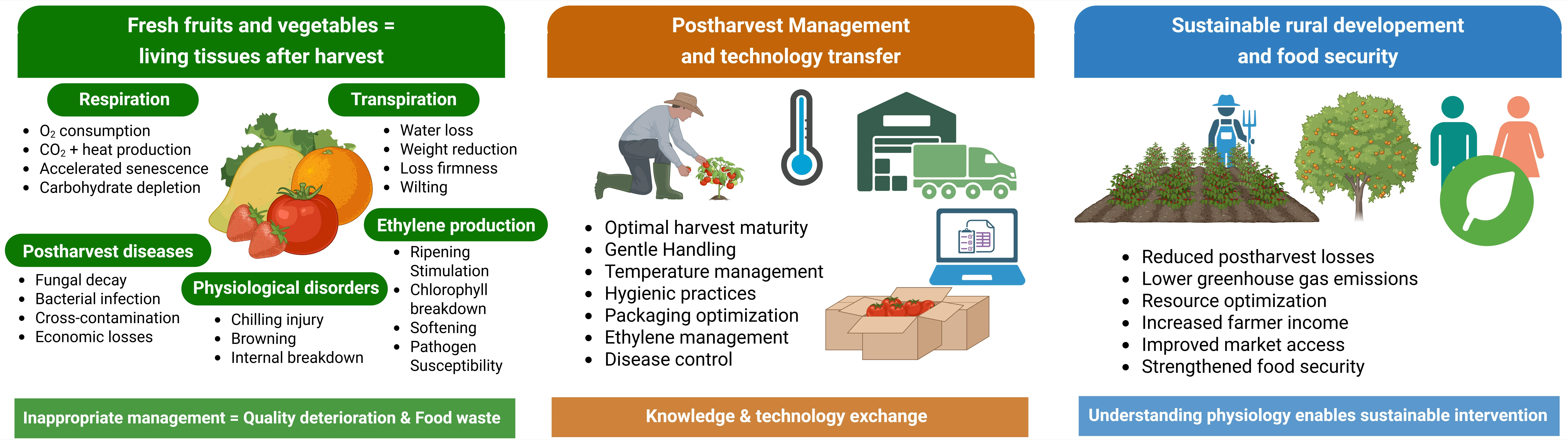
Physiological processes such as respiration, transpiration, ethylene production, softening, physiological disorders, and postharvest diseases determine quality deterioration, shelf life, and marketability.
However, these processes do not affect all commodities in the same way; for example, climacteric fruits are strongly influenced by ethylene during ripening, whereas non-climacteric fruits generally show lower ethylene production and different postharvest behavior.
Different postharvest managements in Mexico
In Mexico, postharvest management is especially relevant because fruit and vegetable producers differ widely in terms of production scale, infrastructure, access to technology, financing capacity, and market destination.
Producers with limited access to technology require practical and low-cost alternatives, while more technologically advanced producers may use specialized systems but still experience postharvest losses due to physiological deterioration, handling conditions, logistics, and market constraints.
Therefore, this review summarizes the main postharvest physiological processes affecting fruits and vegetables and discusses their implications for knowledge transfer, technology adoption, and sustainability among local producers in Mexico.
The review highlights that reducing postharvest losses requires commodity-specific management, continuous technical support, low-cost and locally adaptable technologies, and coordinated participation among researchers, extension personnel, producers, government institutions, industry, and market actors.
Strengthening postharvest knowledge transfer to small and local producers is essential to reduce losses, improve marketability, and promote more sustainable fruit and vegetable systems in Mexico.
Graphica abstract
Sources
Postharvest Physiology of Fruits and Vegetables: Implications for Knowledge Transfer and Sustainability Among Local Producers in Mexico
Diana Patricia Uscanga-Sosa, María Bernardita Pérez-Gago, Adriana Contreras-Oliva, Juan Valente Hidalgo-Contreras, Josué Uriel Montaño-Martínez
Horticulturae 2026, 12(6), 747; https://doi.org/10.3390/horticulturae12060747