News
Postharvest technologies to improve quality and reduce losses in fresh produce
The text examines the role of postharvest technologies in preserving fresh produce. It includes innovations such as plasma and ozone, and challenges with genetically modified products. It highlights the importance of controlling senescence and continuing research
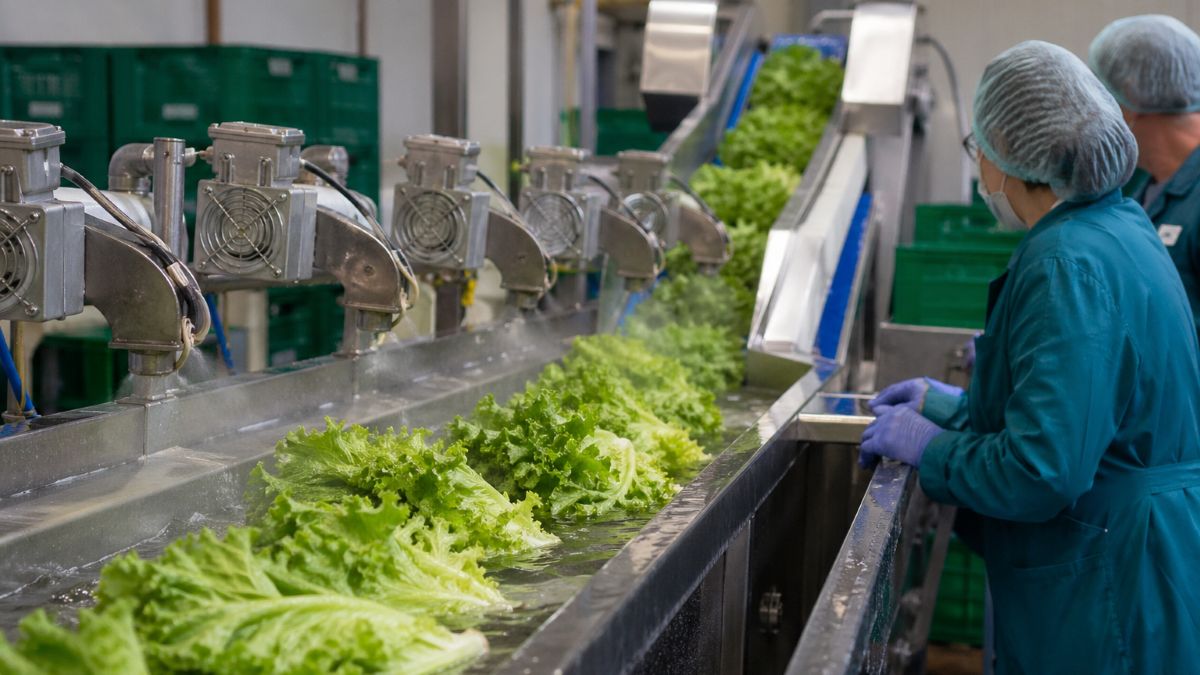
Postharvest technologies have enabled horticulturists to supply fresh produce with high nutritional value and sensory quality across both local and global markets. Maintaining these qualities after harvest requires effective control of processes such as ripening and senescence.
Poor management can lead to substantial losses in quality and nutrients, increased risk of foodborne pathogens, and economic losses throughout the supply chain. Therefore, slowing down physiological activity in fresh produce is essential.
Various postharvest techniques help minimize physiological disorders, reduce contamination, and inhibit microbial growth. This chapter reviews the current state of these technologies, including emerging non-thermal approaches such as plasma and ozone, which contribute to maintaining quality and reducing losses.
It also discusses postharvest biology, edible quality, nutritional characteristics, and storage behavior of genetically modified fruits and vegetables, along with challenges related to their adoption and consumer acceptance. The chapter highlights the need for further research, as fresh produce shows diverse responses to different postharvest treatments.
Source
Singh, A. K., Sindhu, P. M., Raghavendra, H. R., & Shankar, K. (s.f.). Recent advances in postharvest technology for fresh produce.
https://www.taylorfrancis.com/chapters/edit/10.1201/9781779643155-7/recent-advances-postharvest-technology-fresh-produce-ajit-kumar-singh-sindhu-raghavendra-kripa-shankar
Related news