News
Preharvest sanitization of leafy vegetables to reduce food safety risks
Preliminary cost-benefit analysis, by Laura Road et al., authors based in Australia, Canada and the USA, suggests that field sanitization can be feasible
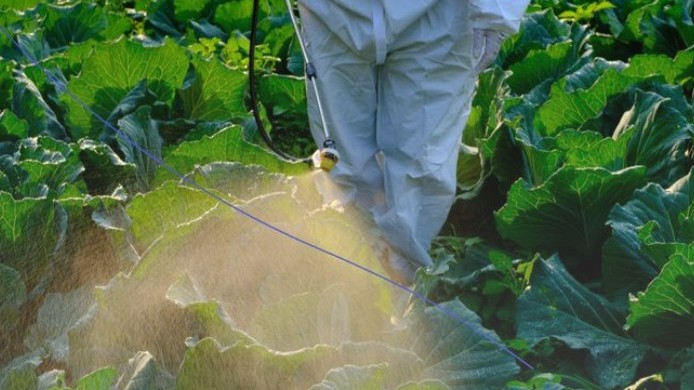
Leafy vegetables (LVs) used as raw ingredients in salads have become a crucial part of our healthy diets. However, they are considered to be high-risk foods due to the lack of reliable measures to fully mitigate food safety risks in the absence of cooking prior to consumption. Indeed, outbreaks of foodborne illnesses and recalls associated with LVs continue to occur.
This highlights the potential for additional strategies, such as pre-harvest sanitization, to better address the risks.
Scope and approach of the review
This review undertook a comprehensive analysis of the current state of pre-harvest technologies that apply chemical sanitisers via treated irrigation water or via sanitization sprays of the field crop.
Key findings and conclusions
Several potential chemical sanitisers were shown to be effective against various food-borne pathogens when applied pre-harvest to crops.
The review identified significant knowledge gaps concerning the efficacy of chemical sanitisers including their effect on the ecosystem health such as plant health, soil health, impacts on the natural leaf and soil microbiome.
Addressing these gaps will provide a better understanding of the feasibility of these sanitization methods, including cost-benefit analyses.
It is proposed that a risk framework, tailored to specific crops, soil types and weather conditions, should be developed to provide a science-based justification for the implementation of pre-harvest sanitization to improve the safety of LVs.
1. Introduction
Leafy vegetables (LVs) are considered an important component of a healthy diet, providing nutrients that can help prevent chronic diseases (Blekkenhorst et al., 2018). They are often produced ready-to-eat with no, or minimal, processing, and consumed raw.
Therefore, with the possible exception of ionising radiation, which has been approved in some countries there are no fully reliable kill steps from sowing to farm gate to prevent transmission of any contaminating pathogens (Gil et al., 2015).
Consequently, LVs are considered high-risk foods in terms of food safety to the general public and particularly to immunocompromised people including cancer patients, the elderly, and during pregnancy (Gomez et al., 2023). Internationally there have been numerous outbreaks associated with consumption of LVs. Most of these have been linked to Salmonella enterica, pathogenic Escherichia coli, Norovirus and Listeria monocytogenes (Food Standards Australia New Zealand, FSANZ, 2020; Mogren et al., 2018).
Contamination of LVs with pathogenic microorganisms can occur at any point throughout the production chain from in the field, at harvest, and in post-harvest processing (Rosberg et al., 2021).
Moreover, LVs cultivated in the field environment are susceptible to contamination from soil, irrigation water, airborne pathogens and animals, amongst other sources. They have a large surface area to volume ratios allowing for more pathogen attachment site (Gil et al., 2015).
Once pathogens contaminate the plant, they can survive on its surface, including through the formation of biofilms and multiply rapidly in injured tissues. Laboratory studies suggest that pathogens can also become internalized within the plant tissue via stomatal pores (Li et al., 2024; Lim et al., 2014).
To address the microbial risks associated with LVs, the industry currently relies on preventative controls proposed by voluntary Global Food Safety Initiative (GFSI) Recognised Food Safety Management Schemes (e.g. Global G.A.P.; FSSC 22000; SQF Food Safety and Quality Codes) as set out by the Code of Hygienic Practice for Fresh Fruit and Vegetables (Food and Agriculture Organisation, 2003).
This helps growers and processors with on-farm and post-harvest food safety, quality and environmental certification (Allende & Monaghan, 2015; Frankish et al., 2021).
In terms of food safety, clearly the first risk reduction step in the supply chain from farm to consumer is to prevent microbial contamination of the crop by managing sources of contamination on the farm such as contaminated water and animal manures.
These pre-harvest best practices aim to ensure that the product, farm and harvesting machinery are at reduced risk of pathogen contamination and cross-contamination. However, they do not address the risks from pathogen contamination that may already have occurred.
Following harvesting, the industry utilises post-harvest washing of the produce, for removal of gross soil, debris and dust. Sanitizers are often added to the wash water to reduce microbial load and the potential for cross contamination from the wash water (Gombas et al., 2017; Du et al., 2024).
Nevertheless, not all LV crops will be washed post-harvest, and post-harvest washing will not completely eliminate or prevent cross contamination that occurred during the pre-harvest period. Post-harvest wash water has also been identified as a risk factor for pathogen cross-contamination from samples of LV that are contaminated to the bulk crop that was previously free of contamination (Murray et al., 2017; Rosberg et al., 2021).
E. coli and Salmonella Typhimurium can be reduced but not removed completely from lettuce leaf surfaces once attached after inoculation (i.e., during pre-harvest), even after several post-harvest wash treatments with a chlorine-based sanitizer (Banach et al., 2017).
Some foodborne pathogens can also enter a temporary ‘viable but not culturable state’ after being exposed to a sanitizer (Ferro et al., 2018; Highmore et al., 2018) though whether this is relevant to field conditions remains to be determined (López-Gálvez et al., 2017). The fact that outbreaks associated with consumption of LVs continues to occur arguably suggests that reliance on post-harvest sanitization alone to manage food safety risks in the modern LV industry may not be adequate (Banach & van der Fels-Klerx, 2020; FDA, 2017; Frankish et al., 2021).
The LV industry could potentially further reduce risk by implementing additional safety interventions such as including the pre-harvest application of a chemical sanitizer to the crop.
In concept, effective sanitizers could be applied to crops via irrigation water or via boom sprayers. This is in addition to any chemical disinfection of the irrigation water and system, which is already commonly practiced, killing any pathogens in the irrigation water as well as preventing biofilm fouling of irrigation pipes, and consequential blocking of low-pressure drippers (Dandie et al., 2020).
Industry experts, particularly in Australia, noted that applying water treated with sanitizers directly to the crop at preharvest stage, is currently not widely used by the LV industry (Hort Innovation, 2024).
There remain many questions on whether a pre-harvest crop sanitization strategy would be feasible, cost-effective, or even environmentally advisable for widespread commercial use.
Recent peer-reviewed reviews have focused on the feasibility of various disinfection technologies to disinfect irrigation water only (Dandie et al., 2020; van Asselt et al., 2021; Gurtler & Gibson, 2022). Public sources suggest that ozone systems (for example https://ingenieriadelozono.es/en/agricultural-ozone/) are already commercially available for agricultural irrigation high flow capacity (50–150 m3/ha) to both ‘reduce biofilm of the pipes’ and potentially to ‘sanitise your crop’.
However, published scientific evidence to support these claims, or determine potential ecological impacts, is lacking.
This review was, therefore, undertaken to provide:
- an overview of current farm management practices to reduce contamination prior to harvest,
- an evaluation of the potential for chemical sanitization of the crops in the field via treated irrigation water or sanitization sprays,
- a summary of our current knowledge of the efficacy of chemical sanitizers in disinfecting irrigation water, and
- identify the knowledge gaps and barriers, as well as explore the future prospects to industrially applying pre-harvest sanitization technologies.
Given the scarcity of evidence-based research on the viability, benefits and risks of pre-harvest sanitization strategies on managing microbial load, the review considers both peer-reviewed and publicly accessible information.
Contents
2. Farm management to reduce food safety risks in the field
3. Potential antimicrobials for pre-harvest application on LV crop
4. Reducing microbial load from irrigation water
5. Research needs and future perspectives on applying pre-harvest sanitization technologies
6. Conclusion
The increasing number of foodborne outbreaks and recalls associated with LVs highlights the need for additional strategies to reduce the safety risks of crop contamination in the field.
The review identified viable pre-harvest interventions for disinfection of irrigation water and/or sanitization of the crop via irrigation water or sprayers.
Recent studies confirmed the efficacy of pre-harvest sanitization of the crop to reduce pathogen contamination. There is already approval for specific sanitizers to be used for irrigation water treatment.
However, the cost efficiency of these technologies at large scale agricultural activities under different scenarios and variable water quality inputs is unknown.
Preharvest sanitization could also be used a strategy to mitigate microbial food safety risks associated with extreme weather events (e.g. dust storms and heavy rainfall splash), immediately prior to harvest.
The review also identified numerous knowledge gaps and areas for research and development to enable adoption of pre-harvest sanitization technologies.
Specifically, further research is needed to evaluate the efficacy of these interventions under different scenarios and how they affect the quality of plant/product and their ecosystem health.
A risk framework for specific crops and scenarios should also be developed to justify the need for implementing pre-harvest sanitization.
Sources
Potential for in-field pre-harvest control of foodborne human pathogens in leafy vegetables: Identification of research gaps and opportunities
Laura Rood, Chawalit Kocharunchitt, John Bowman, Roger Stanley, Tom Ross, Michelle Danyluk, Keith Warriner, Sukhvinder Pal Singh, Alieta Eyles
Trends in Food Science & Technology Volume 158, April 2025, 104928
https://www.sciencedirect.com/science/article/pii/S0924224425000640?via%3Dihub
Picture, https://www.manomano.es/consejos/como-elegir-fungicidas-para-el-huerto-4894
Related news
.jpg)