Processing
Drying method determines the nutritional quality of Ulva seaweeds
A study comparing different drying techniques in edible Ulva seaweeds concludes that processing choice is critical for preserving pigments proteins carbohydrates and antioxidant compounds
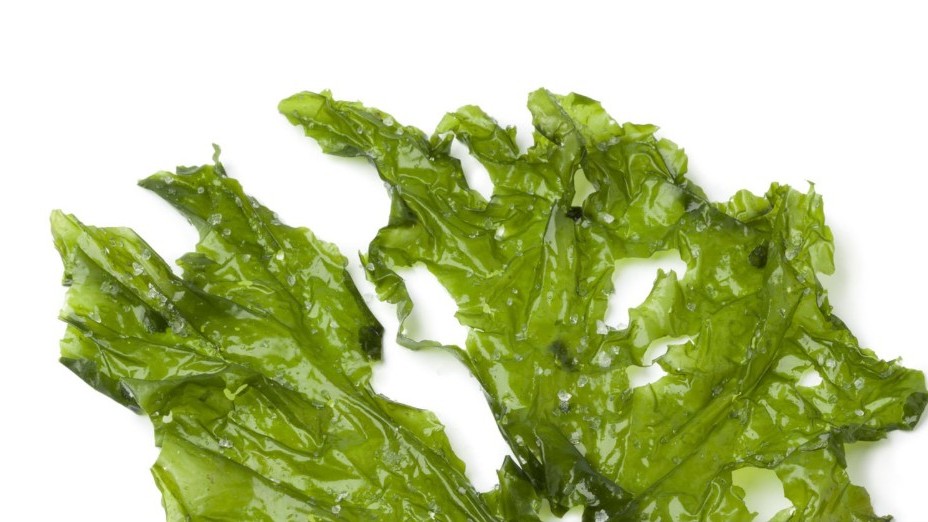
The growing use of seaweeds in food products and functional ingredients is increasing the need for postharvest technologies capable of preserving nutritional quality and bioactive properties.
A recent study evaluated the impact of four drying methods — sun drying, shade drying, hot-air oven drying and solar drying — on two edible green seaweed species, Ulva fasciata and Ulva lactuca, collected from both wild and cultivated sources.
Researchers assessed the ability of each drying technique to retain pigments, nutritional components and non-enzymatic antioxidants after a nine-hour drying cycle.
The results showed that sun drying achieved the highest moisture removal rates, particularly in wild U. fasciata, where moisture reduction reached 88.4%.
Regarding pigment preservation, U. lactuca achieved the best results under shade drying conditions in both wild and cultivated samples. This method maintained higher chlorophyll concentrations, an important factor for nutritional and functional quality.
In contrast, U. fasciata showed better pigment retention under sun drying for wild samples and shade drying for cultivated material.
The researchers also found that shade drying was the most effective method for preserving protein and carbohydrate content in both species, especially in U. lactuca.
However, when maximizing antioxidant activity was the objective, hot-air oven drying delivered superior results by enhancing the retention of non-enzymatic antioxidant compounds.
According to the authors, the findings demonstrate that no single drying method is ideal for all purposes. Instead, drying strategies should be tailored according to the specific quality attributes that need to be preserved.
The study concludes that optimized drying parameters could support the development of higher-value products from Ulva species, which are increasingly used by the food and nutraceutical industries.
Source
Kumar, S. D., Shanmathi, S., Haq, R. S., Bhagiya, B. K., & Chilveri, K. R. (2026). Effect of Drying Methods on Pigment Stability, Nutritional Composition, and Non-enzymatic Antioxidant Retention in Wild and Cultivated Edible Green Seaweed Ulva. Waste and Biomass Valorization. Springer.
Related news
.jpg)