Processing
Garlic physical properties support processing equipment design
A study characterizes the physical properties of garlic to optimize the design of handling grading storage and processing equipment improving postharvest operational efficiency
Study provides data for handling and storage systems
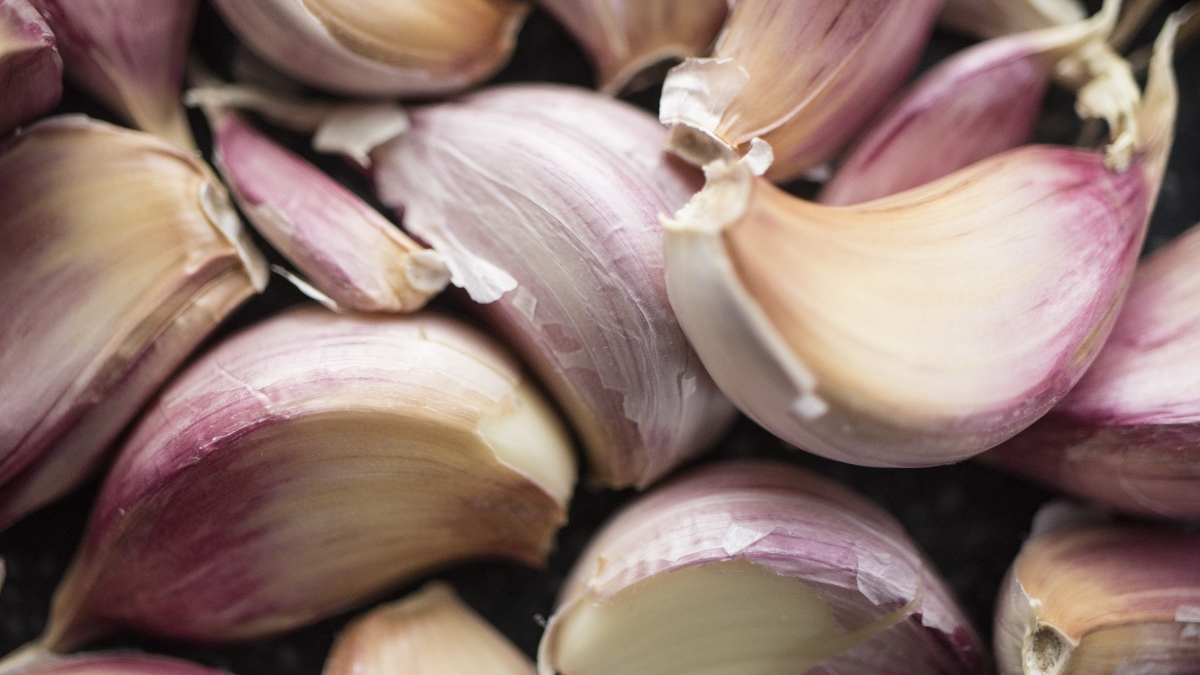
Designing efficient garlic processing equipment requires accurate knowledge of the crop's physical characteristics. A study carried out on fresh garlic bulbs collected in Karnataka, India, evaluated their geometric, gravimetric and frictional properties to support the development of improved handling, grading, conveying and storage equipment.
Researchers measured mass, dimensions, mean diameters, sphericity, aspect ratio, surface area, volume, density, porosity and friction coefficients using standardized procedures.
Garlic bulbs show a moderately spherical shape
The average bulb weighed 11.08 g and measured 3.82 cm in length, 3.20 cm in width and 2.73 cm in thickness. Mean diameters ranged from 3.18 to 3.25 cm, while sphericity reached 0.83, indicating a moderately spherical geometry suitable for equipment design considerations.
Useful information for storage and conveying systems
The study reported an average surface area of 31.74 cm², a true density of 334.34 kg/m³, a bulk density of 110.56 kg/m³ and a porosity of 66.93%.
These values provide useful information for determining storage capacity, ventilation requirements and hopper design.
Friction depends on contact material
The highest coefficient of friction was measured on plywood (0.51), followed by mild steel (0.43), while glass showed the lowest value (0.24).
Understanding these differences helps engineers select suitable materials for conveyors, grading equipment and feeding systems.
Supporting future equipment development
According to the authors, the physical property data provide a valuable reference for designing garlic handling, conveying, grading, storage and processing equipment.
The measurements can also support the selection of screen openings, hopper slopes and contact materials, contributing to more efficient postharvest operations and reduced mechanical damage.
Source
Shoba, H., Nagaraja, G., & Srinivas, G. (2026). Evaluation of Physical Properties of Garlic Bulb for Processing Equipment Design. HAL Open Science. https://hal.science/hal-05671581/