Processing
Hydrogen sulfide helps preserve fresh-cut pear quality during storage
A study shows that sodium hydrosulfide reduces browning and microbial contamination in fresh-cut pear while preserving antioxidant compounds and visual quality during cold storage
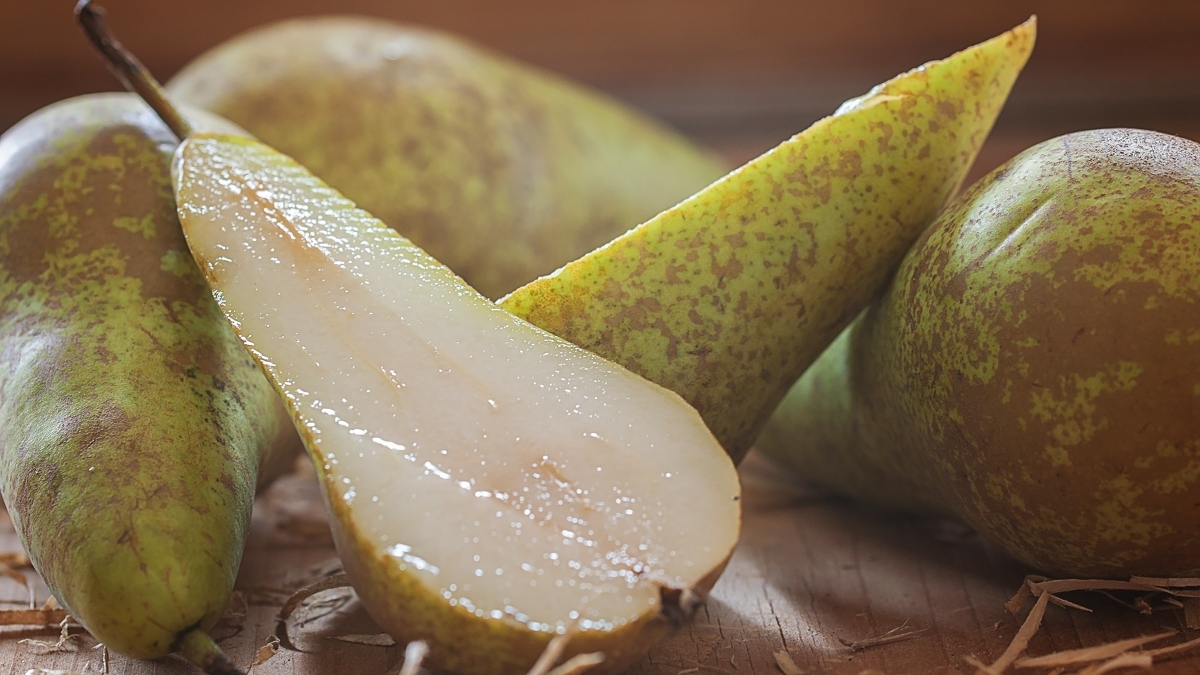
Maintaining the quality of fresh-cut fruit remains a major challenge for the food industry due to rapid deterioration caused by enzymatic browning and microbial growth.
A recent study evaluated sodium hydrosulfide (NaHS), a hydrogen sulfide (H₂S) donor, as a preservation treatment for fresh-cut pear stored at 4 °C.
The results showed that NaHS treatment effectively maintained visual quality, delayed tissue softening and significantly reduced surface browning during storage.
The compound also demonstrated a strong ability to suppress microbial growth, helping extend product shelf life. Researchers identified 0.2 mmol L⁻¹ as the minimum effective concentration for preservation.
Physiological analyses revealed that treated pears maintained higher levels of ascorbic acid, an important antioxidant linked to fruit quality.
At the same time, NaHS reduced polyphenol oxidase (PPO) activity, one of the key enzymes involved in browning, while enhancing antioxidant enzymes such as superoxide dismutase (SOD) and catalase (CAT).
The treatment also lowered the accumulation of reactive oxygen species and oxidative damage markers, helping preserve tissue integrity.
Microbiome analysis further showed reduced bacterial diversity and suppression of spoilage-associated genera, particularly Pantoea and Paenibacillus.
Through transcriptomic, metabolomic and gene expression analyses, researchers found that NaHS regulates several biological pathways related to phenylpropanoid metabolism, antioxidant defense, membrane lipid metabolism and cell wall degradation.
According to the authors, sodium hydrosulfide could become a promising preservation strategy for minimally processed fruits by maintaining quality and reducing postharvest losses.
Source
Wang, P.-Y., Gao, J., Gao, W.-X., Ren, H.-Y., Liu, X., Wang, C.-L., & Zhang, J. (2026). NaHS maintains the quality of fresh-cut pear during cold storage by alleviating browning and microbial contamination: A multi-omics study. European Food Research and Technology, 252, 265. Springer.
Related news
.jpg)