Processing
Sodium bicarbonate reduces anthracnose and improves postharvest papaya preservation
A study shows that 2 percent sodium bicarbonate effectively controls Colletotrichum sp in papaya reducing anthracnose development and maintaining fruit quality during postharvest storage without affecting ripening
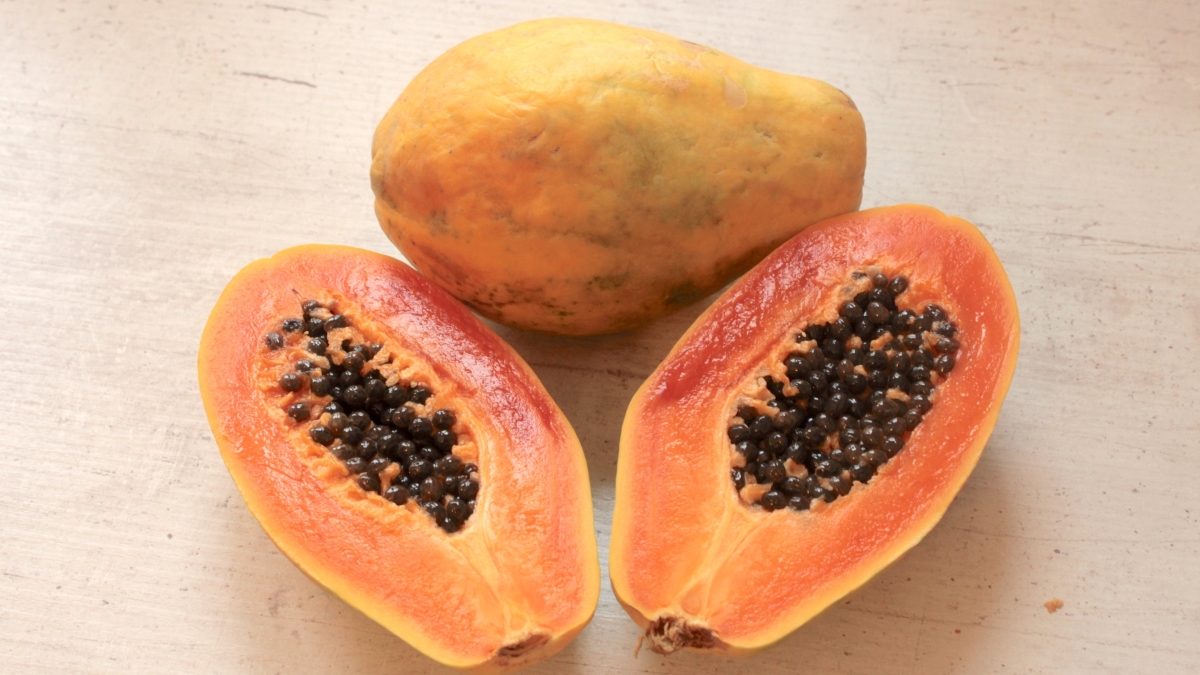
An alternative treatment to reduce postharvest losses in papaya
Anthracnose caused by Colletotrichum sp is one of the main postharvest diseases affecting papaya leading to significant economic losses and reducing fruit shelf life To address this issue researchers evaluated sodium bicarbonate as a safe low residue alternative to synthetic fungicides
The study involved artificially inoculated papayas treated by immersion in sodium bicarbonate solutions at different concentrations along with a commercial fungicide and an untreated control Fruits were stored for 28 days under refrigerated conditions followed by a shelf-life period at ambient temperature
Effectiveness of the 2 percent treatment
Results show that the 2 percent sodium bicarbonate treatment was the most effective significantly reducing lesion diameter compared to the control group
Treated fruits exhibited slower disease progression and maintained lower levels of visible damage throughout the storage period indicating a sustained protective effect
Maintenance of fruit quality during storage
Beyond disease control sodium bicarbonate helped preserve overall fruit quality during postharvest storage Treated papayas showed reduced weight loss higher firmness and better sensory quality without negatively affecting ripening processes
Key parameters such as total soluble solids pH and titratable acidity were not significantly altered suggesting that natural ripening was not disrupted
A sustainable alternative to conventional fungicides
Researchers highlight sodium bicarbonate as a sustainable low impact strategy for postharvest disease control particularly in production systems aiming to reduce synthetic chemical use
This approach could be integrated into commercial postharvest handling protocols helping to reduce losses and improve fruit supply chain efficiency
Source
Vaca Castro, C. E., Torres Mayanquer, F. G., & Mina Ortega, J. I. (2026). Sodium bicarbonate for the postharvest control of Colletotrichum sp. and quality maintenance in papaya (Carica papaya L.). Journal of Food Measurement and Characterization. Springer.