Services
Irrigation management in pear trees and its impact on postharvest quality under water stress conditions
The study evaluates the impact of deficit irrigation in pear trees during fruit growth under Colombian tropical conditions showing that mild water stress does not affect key postharvest attributes such as firmness or color but does influence ripening processes
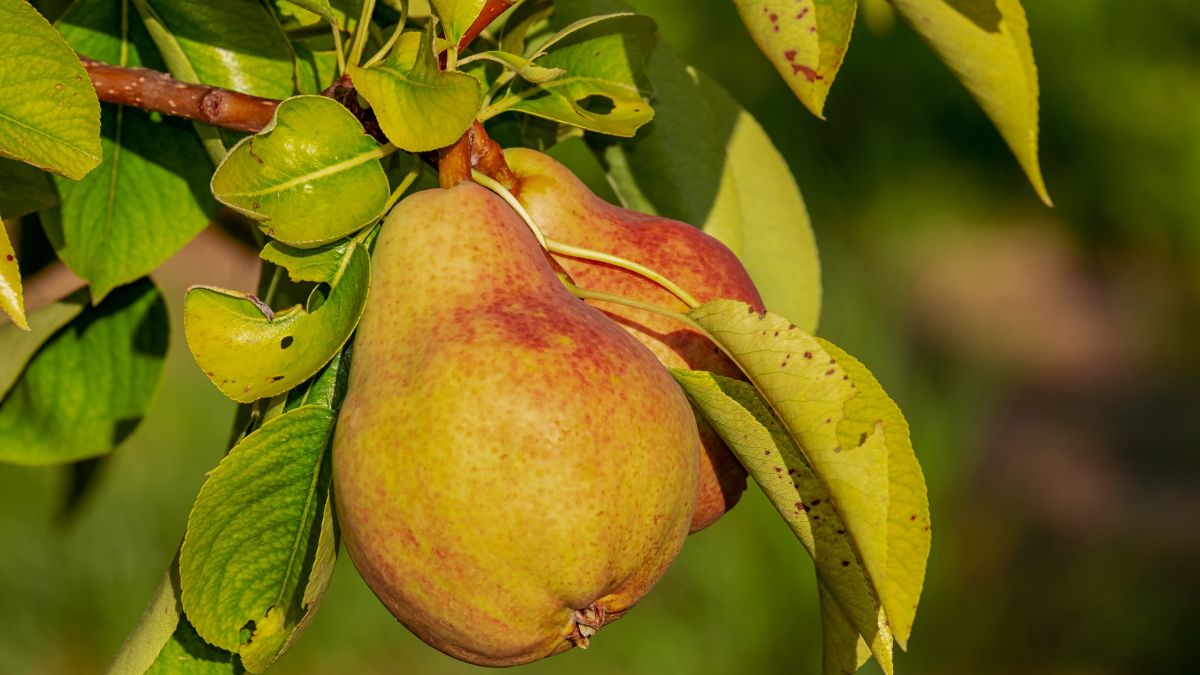
Pear (Pyrus communis L.) is a crop of high economic relevance worldwide. This research analyzed reduced irrigation during the rapid fruit growth stage of the Triumph of Vienna cultivar under lower rainfall conditions in the Colombian tropics, assessing the effect of mild water stress on postharvest quality. Three irrigation strategies were applied during the 2014 and 2015 seasons, including a control at 100% crop evapotranspiration and two regulated deficit irrigation treatments. Trees under deficit conditions received reduced irrigation only during the fruit growth phase, while the rest of the cycle remained fully irrigated. Fruits were stored at 1 °C and 90% relative humidity for up to 59 days. Results showed that water deficit did not affect key quality traits such as firmness, carotenoids, or color, but did influence titratable acidity, soluble solids, and respiration, slightly accelerating ripening without compromising overall fruit quality.
Source
Vélez-Sánchez, J. E., Balguera-López, H. E., & Álvarez-Herrera, J. G. (s.f.). Effect of reduced irrigation on postharvest quality of pear (Pyrus communis L.) cv. Triumph of Vienna. Revista Facultad de Ciencias Agrarias.
https://revistas.udenar.edu.co/index.php/rfacia/article/view/8830