News
The use of bacteriophages improves Listeria control in ready-to-eat foods
A study led by AZTI and the development of a specific formulation highlight new ways to control Listeria monocytogenes along the food chain
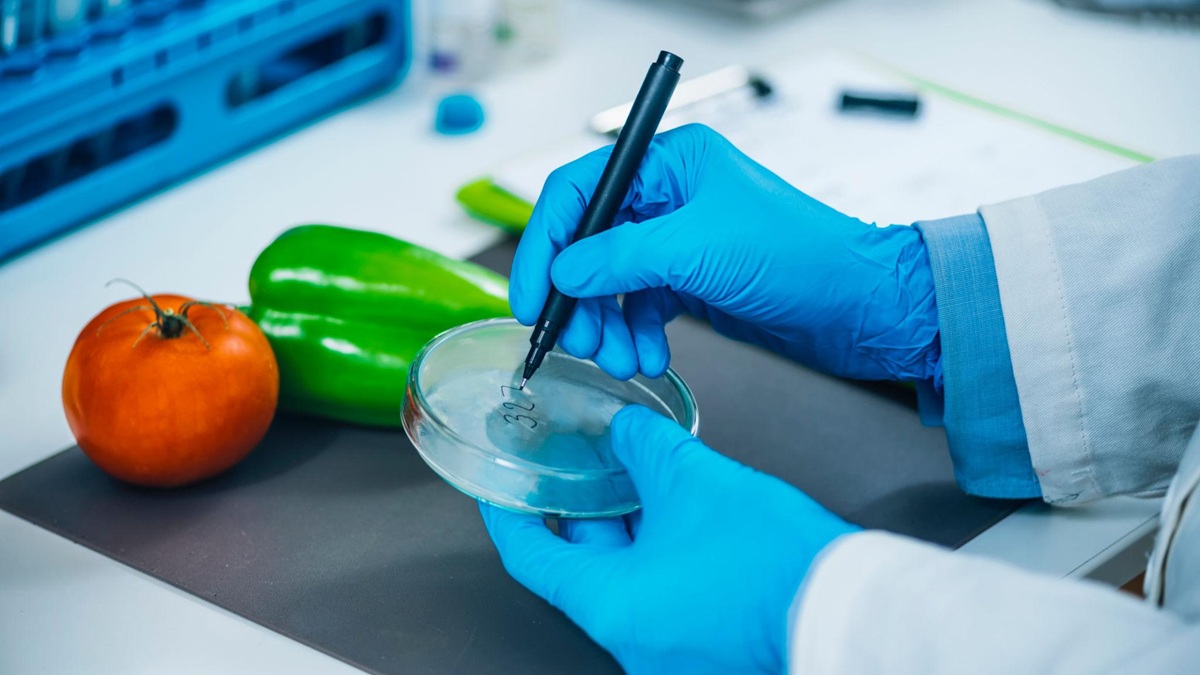
Listeriosis, although relatively rare, remains one of the foodborne diseases with the highest impact on public health in Europe. According to the latest joint EFSA and ECDC report, 3,041 cases were reported in 2024, with more than 70% requiring hospitalization and a mortality rate above 8%. These figures underline the need to advance more effective control strategies against Listeria monocytogenes, a pathogen capable of persisting in processing environments and surviving under refrigeration conditions.
The increase in ready-to-eat (RTE) foods, which are consumed without prior heat treatment, adds complexity to controlling this pathogen. In dairy, meat, fish, and plant-based products, samples exceeding the limit of 100 CFU/g have been detected, highlighting the need for complementary solutions to standard hygiene practices.
Bacteriophages as a targeted solution against Listeria
In this context, the use of bacteriophages—natural viruses that infect specific bacteria—has emerged as one of the most promising strategies in food safety. Their main advantage lies in their high specificity, allowing them to act directly against Listeria monocytogenes without affecting the food microbiota or its sensory properties.
Their mechanism of action is based on the ability of the phage to recognize the bacteria, penetrate it, multiply inside it, and ultimately destroy it. This cycle continues as long as the pathogen is present, enabling targeted and effective control.
Industrial application and technological development
The technology center AZTI has been working for over a decade on the development of bacteriophages specifically targeting Listeria, with potential applications at different points along the food chain. These include direct application in foods, surface and equipment disinfection—particularly against biofilms—and active packaging solutions.
This work has led to the patent “Bacteriophages specific against Listeria monocytogenes” (WO/2024/133422; EP4388888A1), based on a biotechnological formulation composed of one to six highly specific phages. The aim is to reduce the presence of the pathogen in food products and processing environments, thereby reinforcing existing food safety systems.
One Health approach and reduction of antimicrobials
The development of these solutions is framed within the One Health approach, which promotes an integrated view of human, animal, and environmental health. In this context, bacteriophages represent a natural and sustainable alternative that can complement current microbiological control strategies.
Their use contributes to reducing the reliance on antimicrobials and chemical preservatives, an increasingly relevant issue due to regulatory pressure and consumer perception. Moreover, their potential role in tackling antimicrobial resistance positions them as a strategic tool in the medium and long term.
Impact on the food industry
The incorporation of bacteriophages into control systems offers direct benefits for the food industry:
- Improved safety in ready-to-eat foods
- Reduced risk of product recalls and alerts
- Lower costs associated with food safety incidents
- Greater sustainability and compliance with evolving regulations
Innovation across the entire food chain
An example of this approach is the BIOTEGANIA project, launched in 2024 and coordinated by AZTI together with industrial partners. The project focuses on developing biotechnological and digital solutions to control pathogens such as Listeria, Campylobacter, and Escherichia coli, with applications ranging from farm to processing.
Phage-based formulations are being designed for application in water, feed, food products, and surfaces, with validation under real conditions to enable future industrial implementation.
Towards more precise food safety control
Changing consumption habits and the growth of RTE products require more precise and adapted control strategies. In this context, bacteriophages do not replace good hygiene practices but are emerging as a complementary tool capable of anticipating risks and enhancing consumer protection.
Their development and validation in industrial environments will determine their role in future food safety systems, particularly against high-impact pathogens such as Listeria monocytogenes.
Source: AZTI