News
Evaluation of postharvest treatments to improve dragon fruit preservation
Study of how different postharvest treatments influence the quality and shelf life of dragon fruit. Methods such as irradiation, packaging, and chemical treatments are evaluated, with the aim of reducing losses and improving preservation
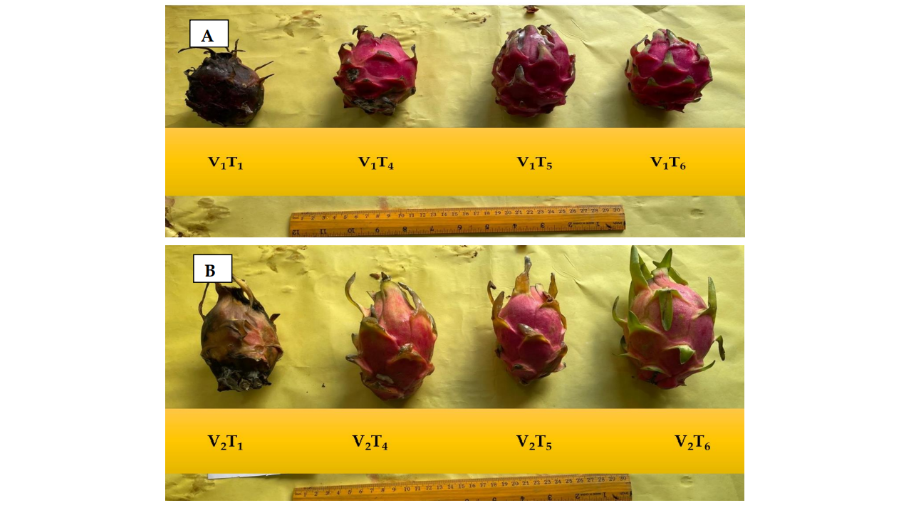
The objective of this study was to evaluate the shelf life and quality of red- and white-fleshed dragon fruit subjected to different postharvest treatments. The research was conducted at the Horticulture Division of the Bangladesh Institute of Nuclear Agriculture in Mymensingh between November 2023 and January 2024. A completely randomized design was applied, considering two factors: Factor A (variety: red-fleshed and white-fleshed) and Factor B (postharvest treatments), which included control conditions, LDPE bag packaging, gamma irradiation combined with LDPE, sodium hypochlorite (NaOCl) treatment with LDPE, calcium chloride (CaCl₂) treatment with LDPE, and cold storage at 4°C with LDPE.
The study analyzed several parameters, including weight loss, firmness, titratable acidity, total soluble solids, disease severity, and shelf life. Red-fleshed fruits exhibited higher firmness, acidity, and soluble solids content, while white-fleshed fruits showed lower weight loss and reduced disease severity after 11 days of storage, along with a slightly longer shelf life. Among all treatments, cold storage at 4°C combined with LDPE packaging significantly extended shelf life. In terms of combined effects, certain treatment–variety combinations enhanced acidity and soluble solids, while others minimized weight loss. The longest shelf life was observed in white-fleshed fruits stored under cold conditions with LDPE. Overall, the results highlight the potential of these treatments to reduce postharvest losses and maintain fruit quality during marketing under ambient conditions.
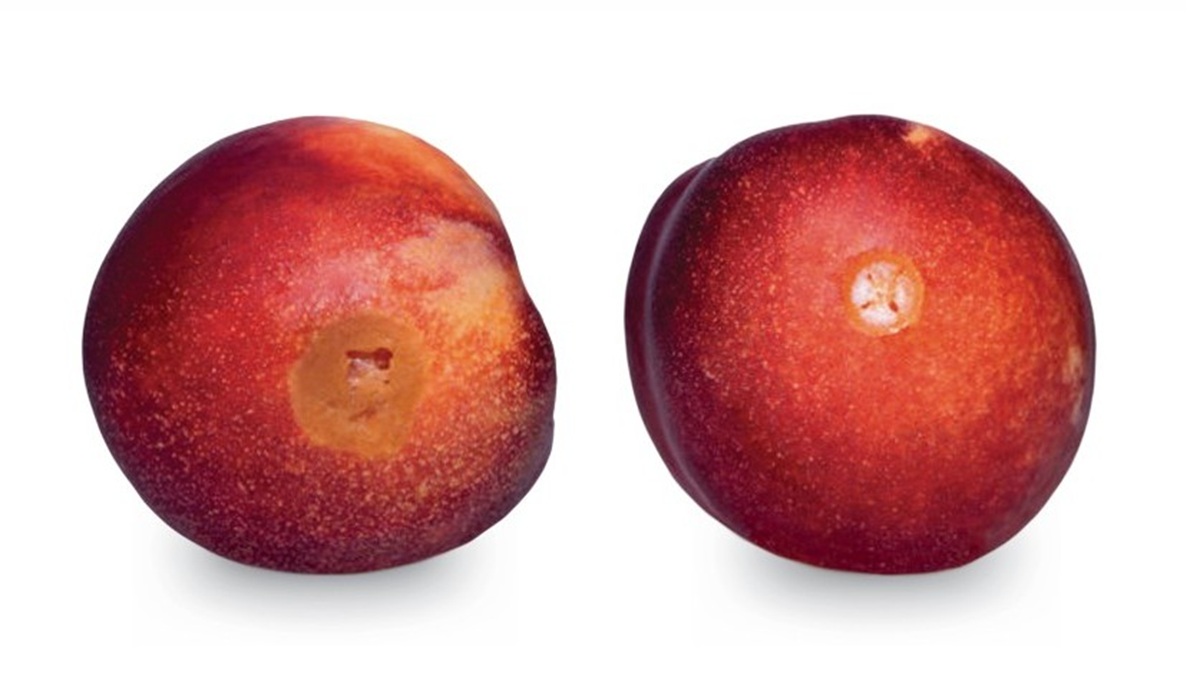
The main image of the news article corresponds to Figure 1 of the study. It shows: A: red-fleshed dragon fruits and B: white-fleshed dragon fruits at 11 days after storage (DAS).
Source
Kazem, M. A. I., Akhther, N., Hassan, M. K., Alam, N., & Roy, B. (2026). Studies on shelf life and quality of dragon fruits as influenced by postharvest treatments. Bangladesh Journal of Nuclear Agriculture, 39(2), 63–76.
https://doi.org/10.3329/bjnag.v39i2.87316