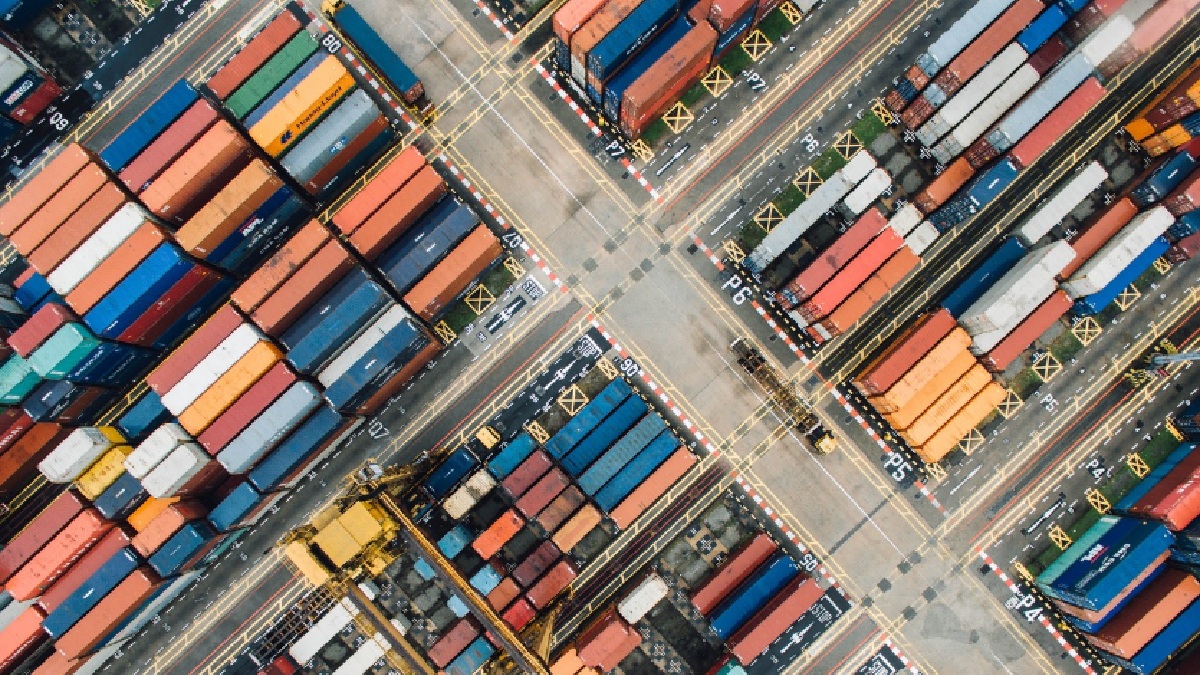
The fresh produce supply chain is currently facing multiple simultaneous pressures that are testing its efficiency, resilience, and sustainability. In addition to traditional logistical challenges, the sector now contends with long trading distances, the need to maintain the cold chain throughout the entire supply chain, port congestion, increasingly demanding consumers, and the growing impact of climate change on fruit and vegetable production—all within a highly competitive environment that strives for excellence in the final product.
According to analyses by international organizations such as the FAO, the World Bank, the OECD, and UNCTAD, food supply chains have become more vulnerable to global disruptions, particularly in the case of perishable products, where time, temperature, and postharvest handling are critical to preserving quality and reducing losses.
Long distances: when time becomes the main postharvest challenge
International trade in fruits and vegetables increasingly requires long-distance transportation, extending the time between harvest and consumption. In this context, postharvest management faces one of its greatest challenges: managing active physiology for days or even weeks without compromising the product’s organoleptic characteristics.
Even when refrigeration systems are applied, fruits and vegetables continue to respire, transpire, and undergo physiological changes. During prolonged transport, the consumption of sugars and acids, water loss, and the action of ethylene accelerate ripening and senescence, directly affecting key attributes such as flavor, aroma, texture, firmness, and juiciness.
Sensory quality under pressure
The current challenge is no longer just to keep the product “marketable,” but to preserve real and consistent sensory quality. Consumers demand fruits and vegetables with authentic flavor, good texture, appropriate firmness, and a consistent eating experience—even when the product has traveled thousands of kilometers.
Long distances also increase the risk of dehydration, chilling injury, loss of firmness, and pathogen development, especially when thermal deviations, logistical delays, or improper handling occur at any point in the supply chain.
A more demanding market and a more restrictive regulatory framework
These sensory demands are compounded by an increasingly strict regulatory environment, particularly in markets such as the European Union, where the progressive reduction in approved active substances to control certain phytopathologies and the lowering of maximum residue limits (MRLs) are forcing a rethink of postharvest strategies.
The reduced availability of chemical tools increases reliance on precise handling, appropriate technologies, and in-depth knowledge of product physiology to ensure quality, food safety, and regulatory compliance during long-distance shipments.
Climate change and pressure on the supply chain
Climate change is no longer an external variable but a factor that directly affects postharvest performance. Fruits and vegetables arrive at packing facilities with greater physiological stress, reduced storage potential, and less uniform behavior during storage and transport. The result is lower product reliability when facing long journeys without quality loss.
At the same time, the logistics chain operates with increasingly tight margins. Timelines are shorter, compliance requirements are higher, and controls are more frequent. In this context, any deviation—however small—has an immediate impact on costs, service levels, and results.
The sector’s response: innovation, technology, knowledge, and support
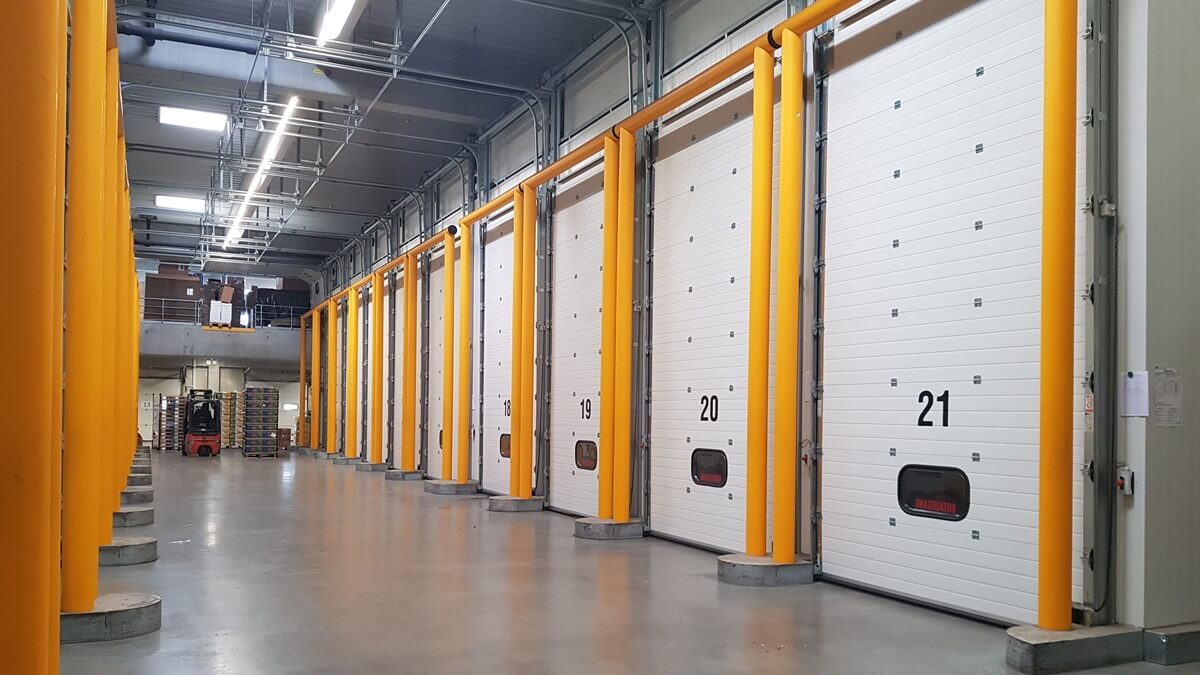
In response to this scenario, leading companies in the sector are investing in automation, digitalization, artificial intelligence, and new logistics infrastructures to strengthen the resilience of the fresh produce supply chain.
However, technology alone is not enough. In the context of long-distance trade, postharvest becomes an active management of product physiology, requiring technical decisions tailored to each species and variety, origin and destination, and—above all—the physiological condition of the fruit at the time of packing.

Postharvest as a strategic pillar
Today more than ever, postharvest is a strategic link where consumer expectations, regulatory requirements, and the operational constraints of the supply chain converge. Maintaining organoleptic quality and food safety over long distances is only possible through a combination of technical knowledge, experience, and specialized advice.
In this regard, the Poscosecha.com community plays a key role as a reference platform for industry professionals, providing access to technical information, specialized analysis, and the support of expert postharvest companies capable of accompanying producers and operators in an increasingly complex and demanding environment.
Because in a globalized market, traveling long distances does not have to jeopardize quality—provided that postharvest is managed with rigor, knowledge, and the right support.
Do you need advice on postharvest management? Feel free to contact us.

.jpg)