
Wyma Solutions
Conditioning , Cooling and CA , Packaging , Processing
Reduction of maintenance costs through intelligent equipment modernization
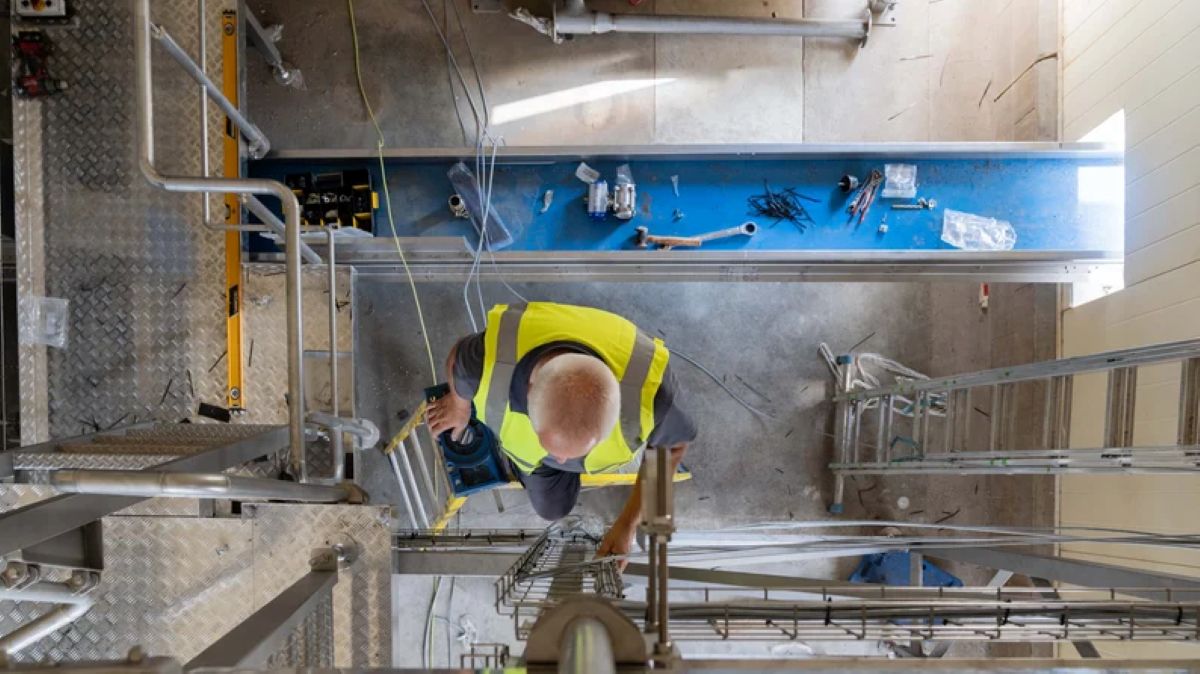
In today’s processing environment, rising labor costs, shrinking margins, and increasing operational complexity are forcing vegetable processors to do more with less. Although full system replacements may seem like the obvious solution, they are often unnecessary.
In many cases, targeted equipment upgrades can significantly reduce service and maintenance costs, while extending the lifespan of existing systems and improving overall reliability.
This approach not only protects capital investment, but also allows processors to evolve their operations in a more controlled and cost-effective way.
Why focus on upgrades instead of replacement?
For most processing facilities, existing equipment still holds significant structural value. The issue usually lies in specific components or outdated technologies that create inefficiencies, breakdowns, or excessive maintenance.
Customers are increasingly adopting a phased investment approach, focusing on incremental improvements rather than full line replacement.
This allows them to
Spread capital expenditure over time
Minimize operational disruption
Focus on areas with the highest return on investment
In fact, reducing service and maintenance costs is a key factor in investment decisions across the sector.
Key areas where upgrades have the greatest impact
-
High-wear components
Wear components are one of the most common causes of maintenance costs. Belts, rollers, bearings, and contact surfaces are constantly exposed to abrasive materials, water, and dirt.
Upgrading these components can:
Extend replacement intervals
Reduce unplanned downtime
Reduce spare parts consumption
Modern materials and improved design standards significantly increase durability, helping to maximize lifecycle value and reduce maintenance frequency.
-
Automation improvements
Labor shortages and rising labor costs are pushing processors toward higher levels of automation.
However, automation improvements do not always require a full system overhaul.
Targeted improvements such as:
Sensor integration
Automated product handling
Smart flow and performance control
can reduce manual intervention and improve consistency.
The result is not only lower labor costs, but also fewer operational errors, less product damage, and reduced equipment wear.
-
Control system upgrades
Outdated control systems are a hidden source of inefficiency and maintenance costs.
Upgrading control systems can provide:
Better fault detection and diagnostics
Faster response times
Improved integration across the line
With more advanced control systems, operators can detect problems earlier, reducing the risk of major failures and minimizing service calls.
In the long term, this leads to more stable and predictable operations.
-
Process optimization and integration
Inefficiencies are often not caused by a single machine, but by how systems interact across the entire line.
Small upgrades to improve flow, alignment, or process balance can
Reduce bottlenecks
Minimize product buildup and mechanical stress
Improve overall equipment effectiveness
As processors increasingly seek integrated solutions rather than standalone machines, these types of improvements become even more valuable.
Long-term impact: Reliability and lifetime value
Smart upgrades do not only reduce immediate service costs. They play a key role in extending equipment lifespan.
Well-designed systems, supported by high-quality components and continuous improvements, are built to operate for decades.
By investing in targeted upgrades, processors can:
Maintain high performance over a longer lifecycle
Avoid premature capital replacement
Improve return on investment across the entire operation
Combined with proactive service and maintenance, this approach ensures maximum uptime and long-term efficiency.
A smarter approach to investment
The most successful processors no longer think in terms of “replace or repair.” Instead, they adopt a phased, strategic approach to continuous improvement.
By identifying key cost drivers and selecting the right upgrades, it is possible to:
Reduce ongoing service costs
Improve reliability and uptime
Extend the lifespan of existing assets
Ultimately, it is about making smarter decisions with existing infrastructure, not just investing in new equipment.
Conclusion
In a competitive and cost-sensitive industry, reducing service costs is essential to maintaining profitability.
Smart equipment upgrades offer a practical and proven way to achieve this, delivering measurable improvements without replacing the entire system.
For processors looking to maximize performance while controlling costs, the opportunity lies not in starting over, but in improving what already exists.
If you want to reduce service costs and improve the reliability of your processing line, talk to our team about tailored upgrade opportunities suited to your operations.
Source
Wyma Solutions. (s.f.). Reducing service costs through smart equipment upgrades.
https://wymasolutions.com/es/news/reducing-service-costs-through-smart-equipment-upgrades
News of Wyma Solutions
Sustainable industrial future through Wyma technological innovation
Wyma Solutions