Conditioning
Mild treatments can complicate microbial control in postharvest systems
An article published in Current Opinion in Food Science warns that microorganisms may adapt to successive mild exposures, which can alter their response to later treatments
Mild postharvest treatments are not always as harmless as they may seem from a microbiological point of view. Although they are used to control pathogens while preserving the quality of fresh and minimally processed products, some mild exposures can alter how microorganisms respond to later interventions.
This is the focus of the article “When mild is not harmless: Sublethal stress history as a hidden variable in postharvest microbial control”, published in Current Opinion in Food Science. The article warns that microorganisms encountered during postharvest handling are often exposed to a sequence of mild conditions rather than a single lethal treatment.
From mild treatments to adaptive responses
Modern postharvest food systems must ensure microbiological safety while preserving the nutritional, sensory and functional quality of food. This challenge is especially relevant for fresh and fresh-cut products, where conventional heat treatment is often impractical or undesirable.
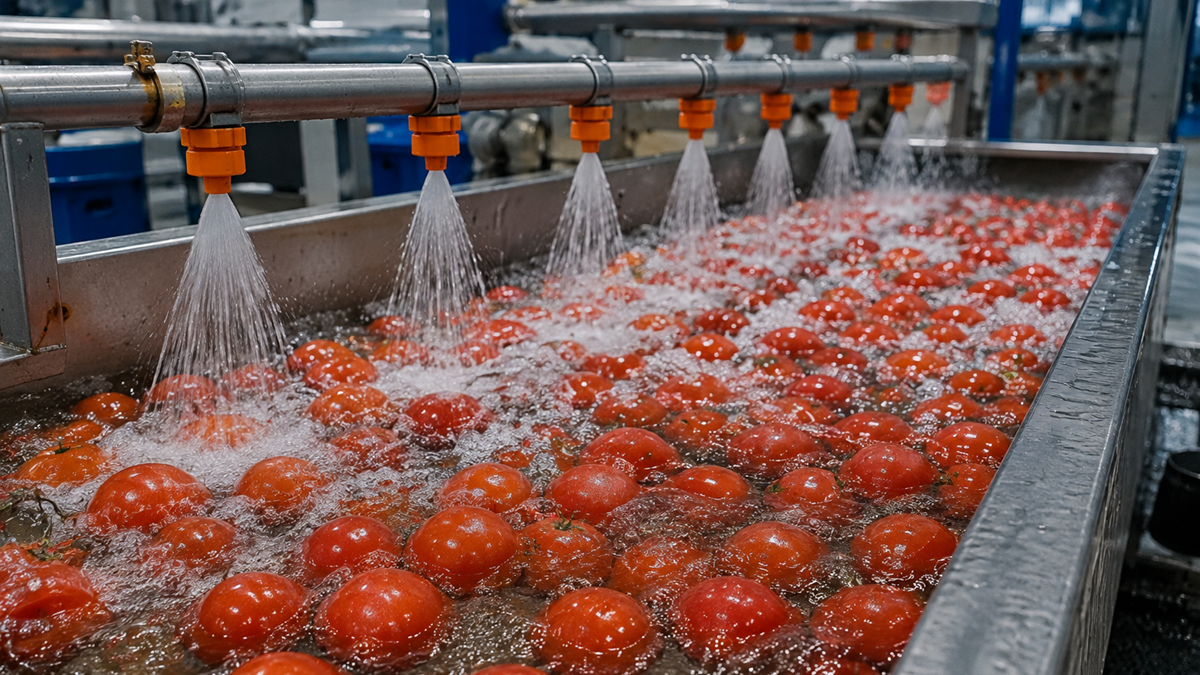
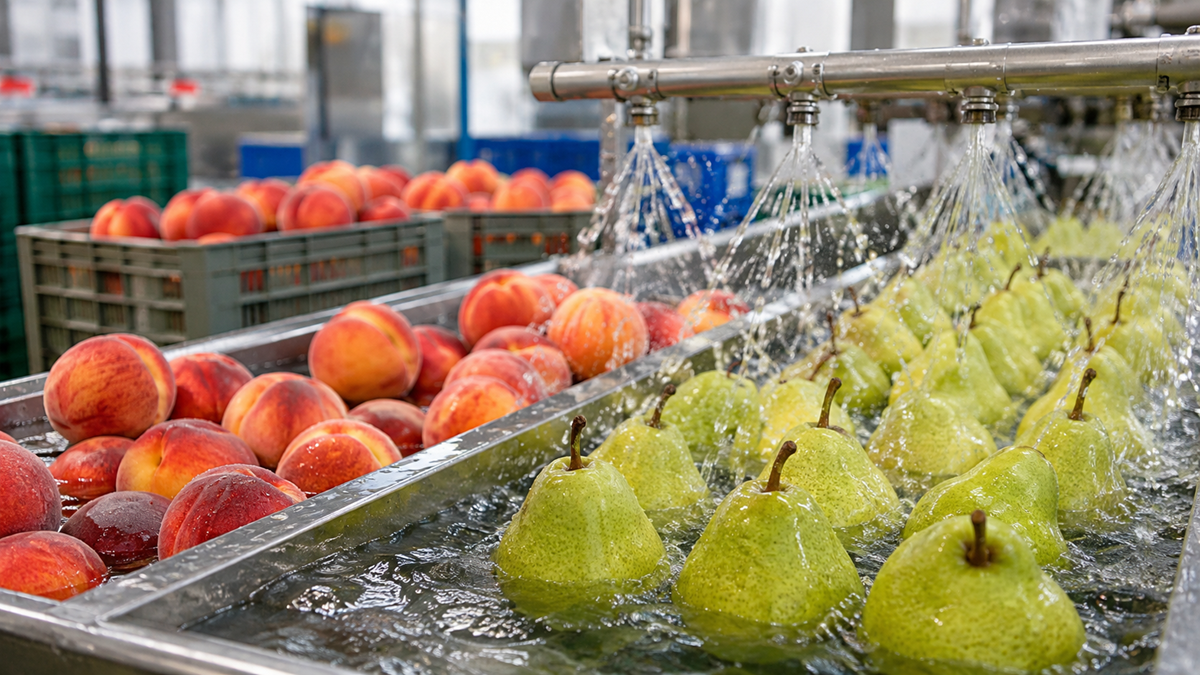
As a result, the industry increasingly relies on non-thermal, minimal or “mild” interventions, such as washing, disinfection, physical treatments, controlled atmospheres and combinations of several hurdles. However, when these exposures do not eliminate microorganisms, they may act as adaptation signals.
The article explains that pathogenic bacteria such as Salmonella enterica, Shiga toxin-producing Escherichia coli and Listeria monocytogenes can respond to these conditions by changing their physiology. This may influence their tolerance to subsequent treatments.
Why previous exposure matters
One of the central ideas of the article is that the effectiveness of an intervention does not depend only on the dose, intensity or duration of the treatment, but also on what microbial cells have experienced before.
In other words, the same control measure may produce different results depending on the previous sequence of cold, humidity, oxygen availability, chemical exposure, physical forces or contact with surfaces. This history can affect microbial susceptibility and promote cross-protection responses.
This means that hurdle technologies need to be interpreted with caution. Combining several mild treatments does not always work as a simple addition of effects, because microorganisms may respond dynamically to each exposure.
Fresh produce, fresh-cut products and validation
The product context also matters. Microbial responses do not occur in isolation, but within specific food matrices. Each product has physical, chemical and biological characteristics that can influence microbial physiology and real exposure to treatments.
For this reason, the article suggests that conventional validation studies may overestimate the effectiveness of some interventions if they rely only on unstressed cultures. Under real conditions, microorganisms may reach the treatment stage with a previous history of exposure to different mild hurdles.
The author proposes that validation trials should more systematically include microorganisms previously subjected to stress conditions that better reflect industrial handling realities.
Implications for the postharvest industry
For the fresh produce industry, the most immediate implication is operational. Steps that are often considered secondary, such as washing, rinsing, dewatering or short holding periods, may influence microbial responses and should be controlled with the same consistency as primary interventions.
The article concludes that microbial exposure history should be incorporated into strategy design, challenge testing, process validation and risk management. Recognising this variable may help improve the robustness, predictability and reliability of postharvest food safety systems under real-world conditions.
Source
Zhao Chen, When “mild” is not harmless: Sub-lethal stress history as a hidden variable in postharvest microbial control, Current Opinion in Food Science, 2026, 101456, ISSN 2214-7993, https://doi.org/10.1016/j.cofs.2026.101456.
Related news