News
The Rise of Finger Lime: From Global Trade Routes to Postharvest Challenges
The Gourmet Fruit That Requires Tailored Postharvest Handling
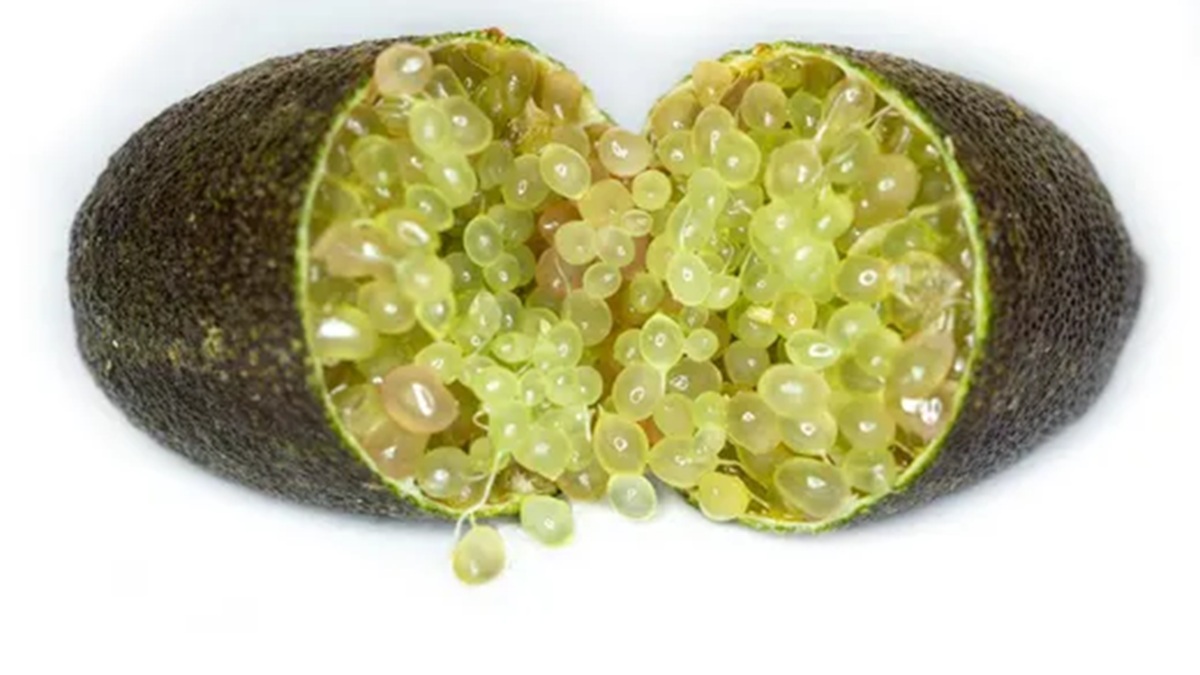
Native to the subtropical forests of eastern Australia, finger lime (Citrus australasica) — also known as “citrus caviar” — has quickly evolved from a wild-harvested fruit to a distinctive ingredient in creative and gourmet cuisine. Its juicy pearls now appear on restaurant menus, in mixology, and in premium retail channels worldwide.
Growing demand increases the pressure on postharvest handling
Although Australia remains the traditional production hub, finger lime cultivation has expanded geographically. Commercial orchards have been established in Spain (Murcia, Andalusia, Valencia), as well as in France, Italy, Morocco, Guatemala, and parts of the United States.
Demand, however, has strengthened primarily in distant high-value markets:
-
Western Europe is one of the main destinations, with countries such as France, the Netherlands, the United Kingdom, Germany, and Switzerland importing finger lime for the gastronomy and specialty retail sectors.
-
In the Asia–Pacific region, interest in exotic fruits and premium ingredients continues to grow, opening new commercial opportunities.
This global supply–demand structure means a large portion of the fruit travels long distances, often crossing hemispheres. For a delicate, high-priced product with a limited shelf life, any postharvest mishandling can translate into significant losses and reduced consumer confidence.
A unique physiology that conditions its postharvest behavior
Finger lime shares with other citrus fruits its non-climacteric character: after harvest it does not ripen, although it ages and loses quality over time. However, it presents particularities that complicate its preservation:
-
Small, elongated fruits, with relatively thin skin and sensitive to impacts.
-
Pulp formed by loose juice vesicles — the famous “pearls” — which react adversely to dehydration or sudden temperature fluctuations.
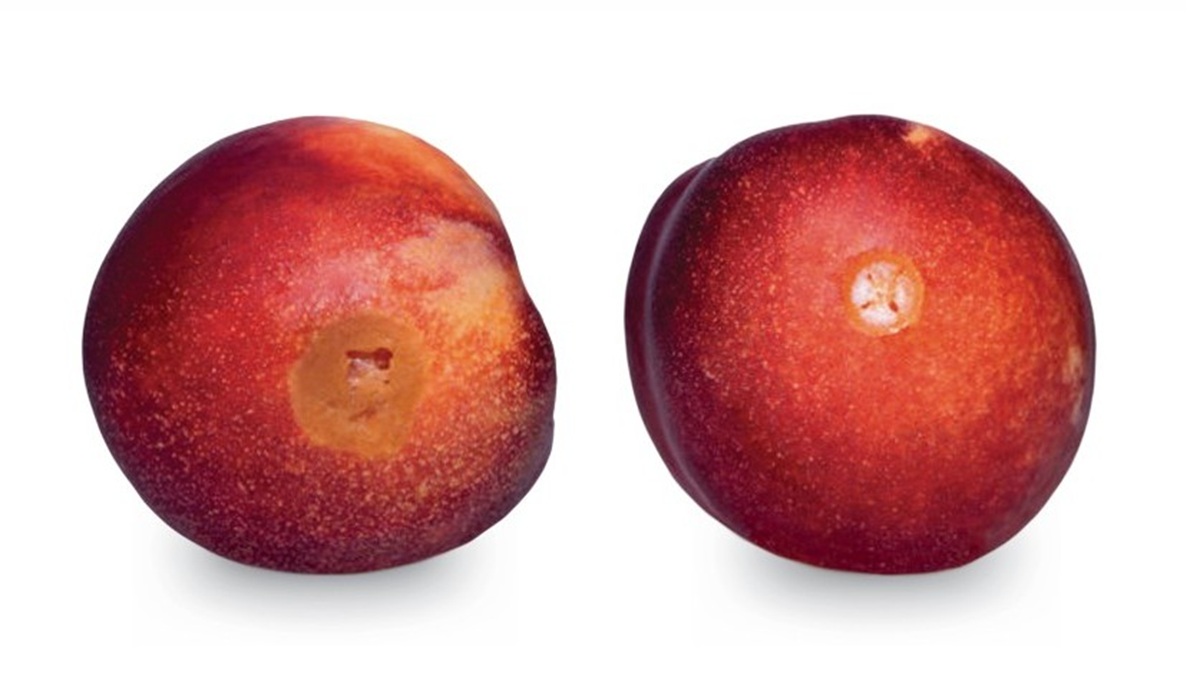
The most recent studies confirm that finger lime is especially sensitive to cold. In experiments with the cultivar ‘UF SunLime’, its storage at a “safe” temperature (≈ 10 °C, with high humidity) was compared with chilling conditions (≈ 4–5 °C). The results were conclusive: at 10 °C the fruit maintained better firmness, peel color, and internal quality; at 4–5 °C it rapidly developed pitting, blemishes, and other peel defects, losing its commercial value.
Why do distance and logistics make postharvest critical?
Combining the fruit’s physiological sensitivity with commercial routes explains why postharvest becomes strategic:
-
The importance of a strict cold chain: In long-distance shipments — for example from Australia or Central America to Europe or Asia — each logistical segment adds deterioration risk if a carefully controlled cold chain is not maintained.
-
Quality with no room for error: In gourmet markets, tolerances are low: any dehydration, pitting, or loss of color may cause the fruit to no longer be considered “exclusive” and lose value.
Even in production closer to market (for example in Spain), although the logistical risk is reduced, the fruit still requires adapted handling with specific temperature, humidity, and manipulation conditions.
For this reason, researchers propose relatively modest storage ranges: between 8–10 °C with high humidity (≈ 90–95%), gentle handling, and packaging that minimizes water loss.
Towards adapted postharvest: emerging strategies
Recognizing these limitations, postharvest research is exploring adapted solutions:
-
Edible coatings: in trials with finger lime stored at optimal temperature, the use of coatings reduced weight loss, preserved firmness, and decreased peel damage, providing extra days of shelf life.
-
Pre-harvest treatments: a recent study carried out in the Mediterranean region evaluated the application of salicylic acid at different concentrations before harvest. At 5 mM, lower weight loss, lower respiration rate, greater firmness, and an increase in phenolic compounds and antioxidant activity were observed during 21 days at 10 °C. This strategy could physiologically prepare the fruit to better withstand storage and transport.
In short, finger lime is emerging as a niche product with strong international projection. But its success depends largely on careful postharvest handling: its delicate physiology, sensitivity to cold, and the pressure of global logistics impose a real challenge.
For producers, distributors, and horticultural operators interested in this fruit, the message is clear: it is not enough to produce — it is essential to adapt the postharvest chain to its specific needs. Only then will it be possible to deliver a quality product to the final consumer, maintain its gourmet value, and make it a sustainable option in the long term. For this, it is important to rely on professionals specialized in providing solutions to postharvest challenges.
References
- Doron, M., Shahzad, F., & Brecht, J. (2024). Postharvest changes that occur in finger limes at chilling and non-chilling temperatures.