News
Innovation, Measurement, and Collaboration to Reduce Food Loss and Waste in the Supply Chain
Reducing food loss and waste is key to feeding more people, protecting the environment, and strengthening the sustainability of agri-food systems
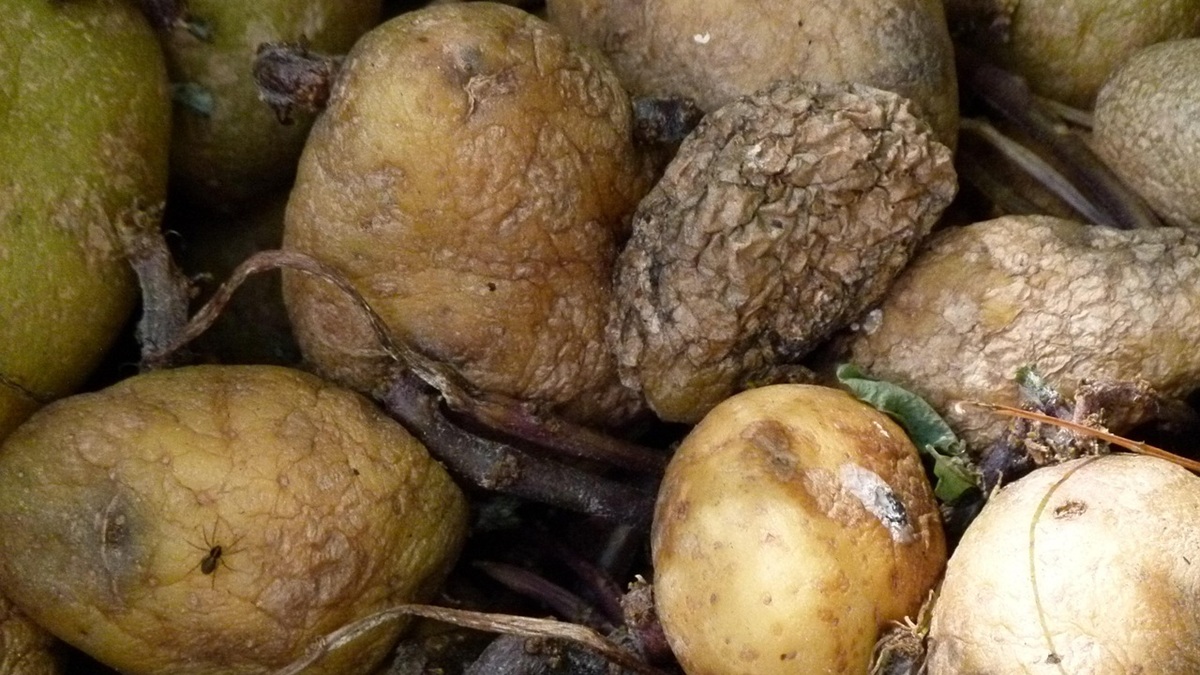
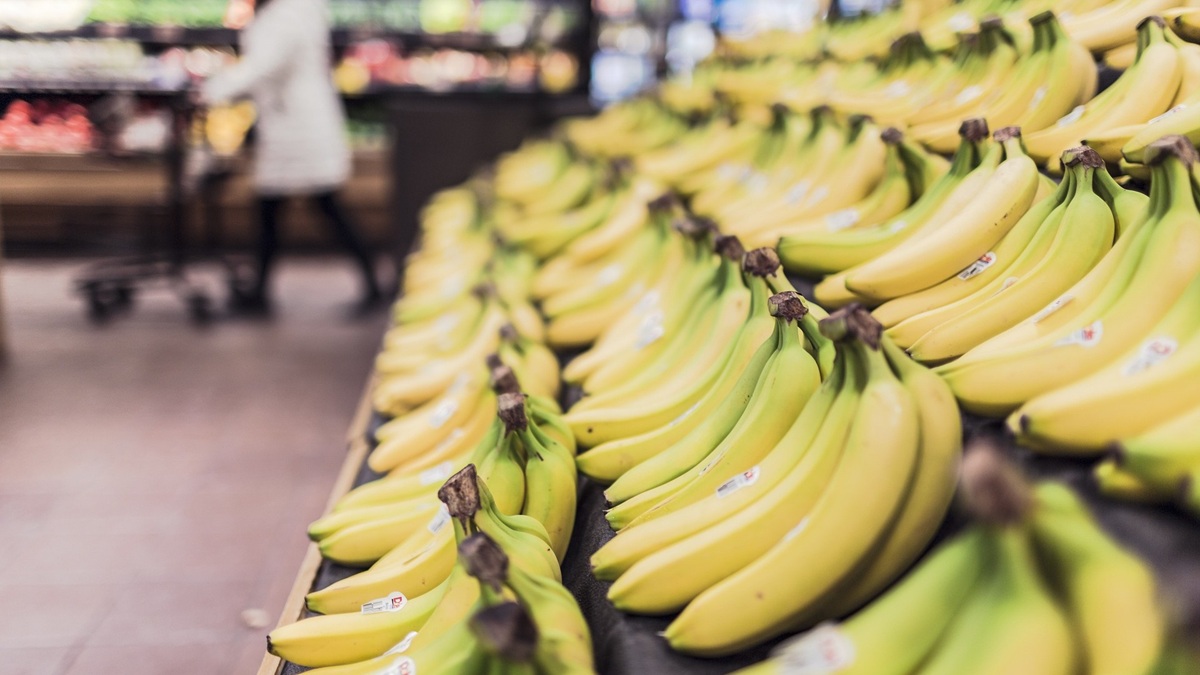
It is estimated that nearly one third of all food produced worldwide is lost or wasted before reaching consumers. In the fruit and vegetable sector, postharvest losses can be particularly significant during storage, transport, and distribution. These losses represent not only a direct reduction in income for producers and distributors, but also an inefficient use of critical resources such as water, energy, land, and labor.
Reducing postharvest losses has therefore become a strategic priority for achieving more resilient, efficient, and sustainable food systems — a goal that is especially urgent in the context of climate change and growing global demand.
Measurement and Policy to Reduce Losses
The Food and Agriculture Organization of the United Nations (FAO) works with governments, technical institutions, and private-sector partners to accurately measure food losses and to develop evidence-based policies and strategies that address the issue in a structural and long-term manner.
Having reliable and comparable data on the type, quantity, and origin of losses is essential to implement effective and context-specific solutions. Accurate measurement makes it possible to identify critical points — whether in handling, storage, or logistics — and to guide investments toward the technologies and practices with the greatest impact on reducing waste.
Smart Technology in the Postharvest Stage
Digital and automated technologies have become indispensable allies in the fight against food loss. Temperature and humidity sensors, digital traceability systems, controlled-atmosphere storage, artificial intelligence applied to logistics, and predictive ripening models are transforming the way fresh produce is managed. These technologies help maintain quality, extend shelf life, and minimize rejection rates, while enabling data-driven decision-making throughout the chain. Real-time monitoring improves logistics planning, reduces energy consumption, and enhances the overall sustainability and efficiency of the postharvest process.
Collaboration and Sector Awareness
The FAO is leading the international coalition “Food Is Never Waste,” which brings together governments, companies, and organizations to share knowledge, promote best practices, and foster innovation across the entire agri-food chain.
Reducing postharvest losses requires an integrated approach — one that encompasses production, handling, packaging, transport, and marketing. Technology alone is not enough; effective management, capacity building, and collective commitment are equally essential.
Every improvement in postharvest handling contributes to a more competitive and sustainable food sector, ensuring that products reach markets with the quality consumers expect.
Within the Postharvest Community, our partners and leading companies work daily toward this common goal: to deliver innovative, sustainable, and efficient solutions that transform the postharvest stage into a true source of added value for the entire food supply chain.