
Kelvin Solutions
Cooling and CA
Temperature controlled logistics: How to ensure cold chain integrity from warehouse to delivery
Modern monitoring solutions help fresh produce and food logistics operators maintain visibility, detect deviations and document temperature conditions across the supply chain
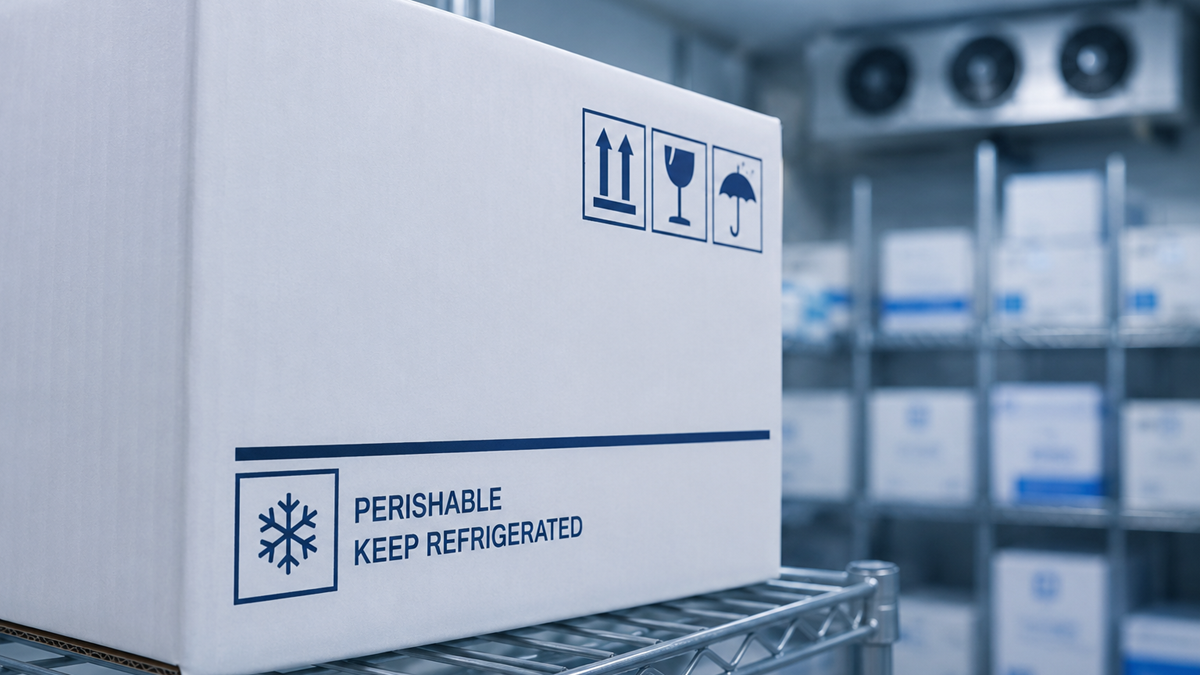
Temperature controlled logistics refers to the end-to-end management of goods that require strict thermal conditions throughout their supply chain journey. From fresh fruit and vegetables to fresh-cut products, dairy and other chilled foods, any break in the cold chain can lead to product loss, quality deterioration, regulatory non-compliance, and serious safety risks.
In this article, we explore what temperature controlled logistics really involves, what the main challenges are, and how modern monitoring solutions help companies stay in control.
What Is Temperature Controlled Logistics?
Temperature controlled logistics encompasses all processes, equipment, and technologies used to maintain a defined temperature range for sensitive goods during storage, handling, and transportation.
Depending on the product, requirements vary significantly:
- Fresh fruit and vegetables: requirements vary depending on the product, variety, maturity stage and destination market
- Fresh-cut produce and ready-to-eat products: generally require strict refrigeration and continuous monitoring
- Dairy and other chilled foods: often require stable cold conditions throughout storage and transport
- Any deviation, even brief, can compromise product quality, reduce shelf life, trigger regulatory issues, or lead to costly recalls.
Key Challenges in Temperature Controlled Logistics
Managing a cold chain is not just about refrigerated trucks and cold rooms. The real complexity lies in maintaining continuous monitoring across multiple handovers, carriers, and geographies.
Multi-modal transport and handover risk
Products often change hands several times between production and final delivery. Each transfer point is a potential source of temperature excursion. Without real-time data, excursions are only detected after the fact, when the damage is already done.
Regulatory compliance
In food logistics, temperature control requirements are linked to food safety, quality management and traceability. Companies need documented proof that temperature conditions have been maintained throughout storage and distribution, especially when working with fresh, chilled or ready-to-eat products.
Data gaps and visibility
Traditional paper-based logging or single-use data loggers only provide a snapshot of temperature history. They offer no live visibility, no alerts, and no ability to intervene before a product is compromised.
Cost of product loss
Temperature excursions can lead to significant losses across fresh produce and food supply chains. Prevention through continuous monitoring is far less expensive than the alternative.
Modern Solutions for Temperature Controlled Logistics
Today’s leading companies rely on connected monitoring systems that provide real-time data, automated alerts, and full traceability records accessible at any time.
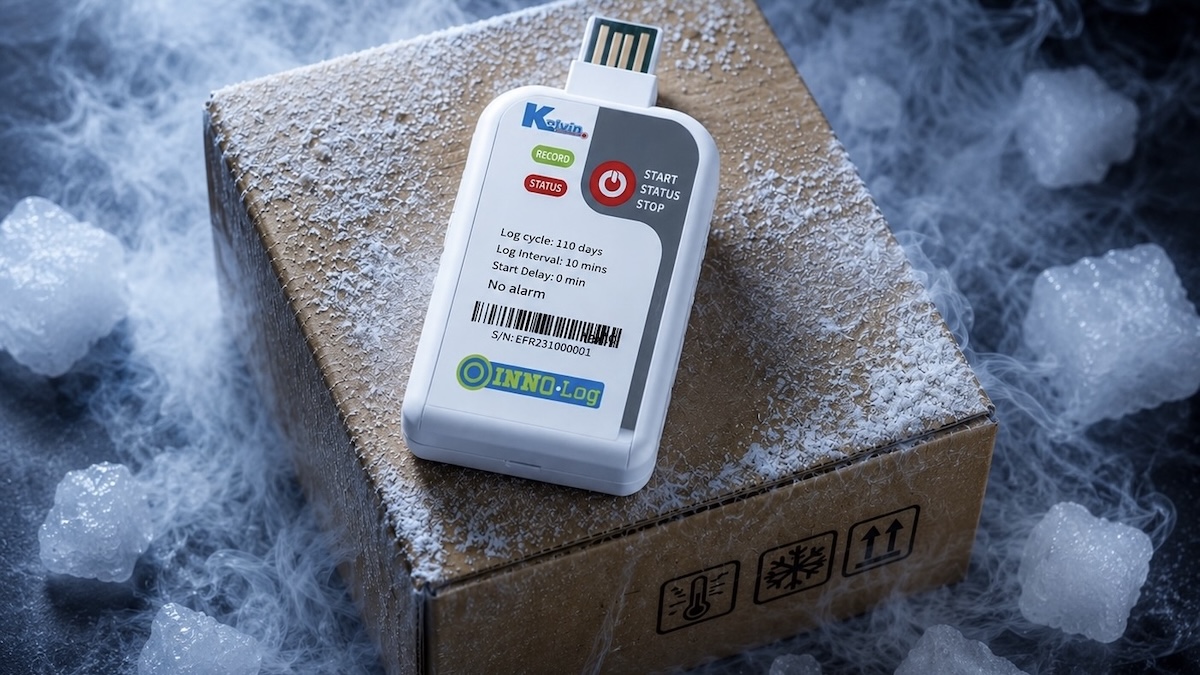
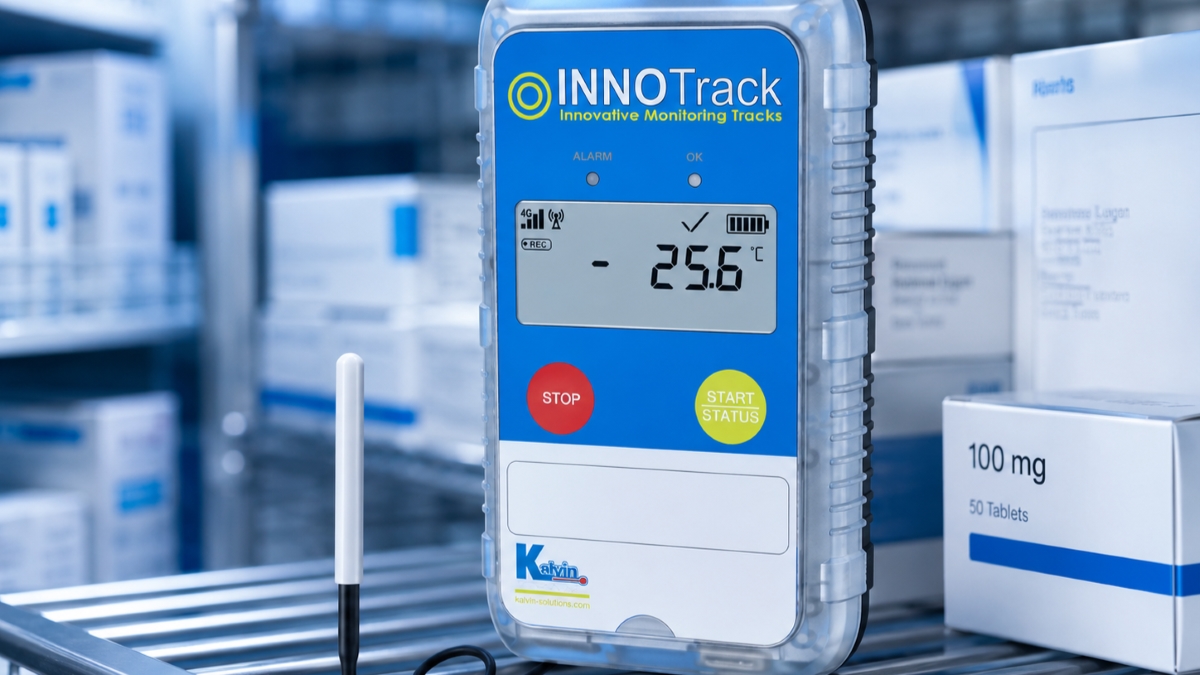
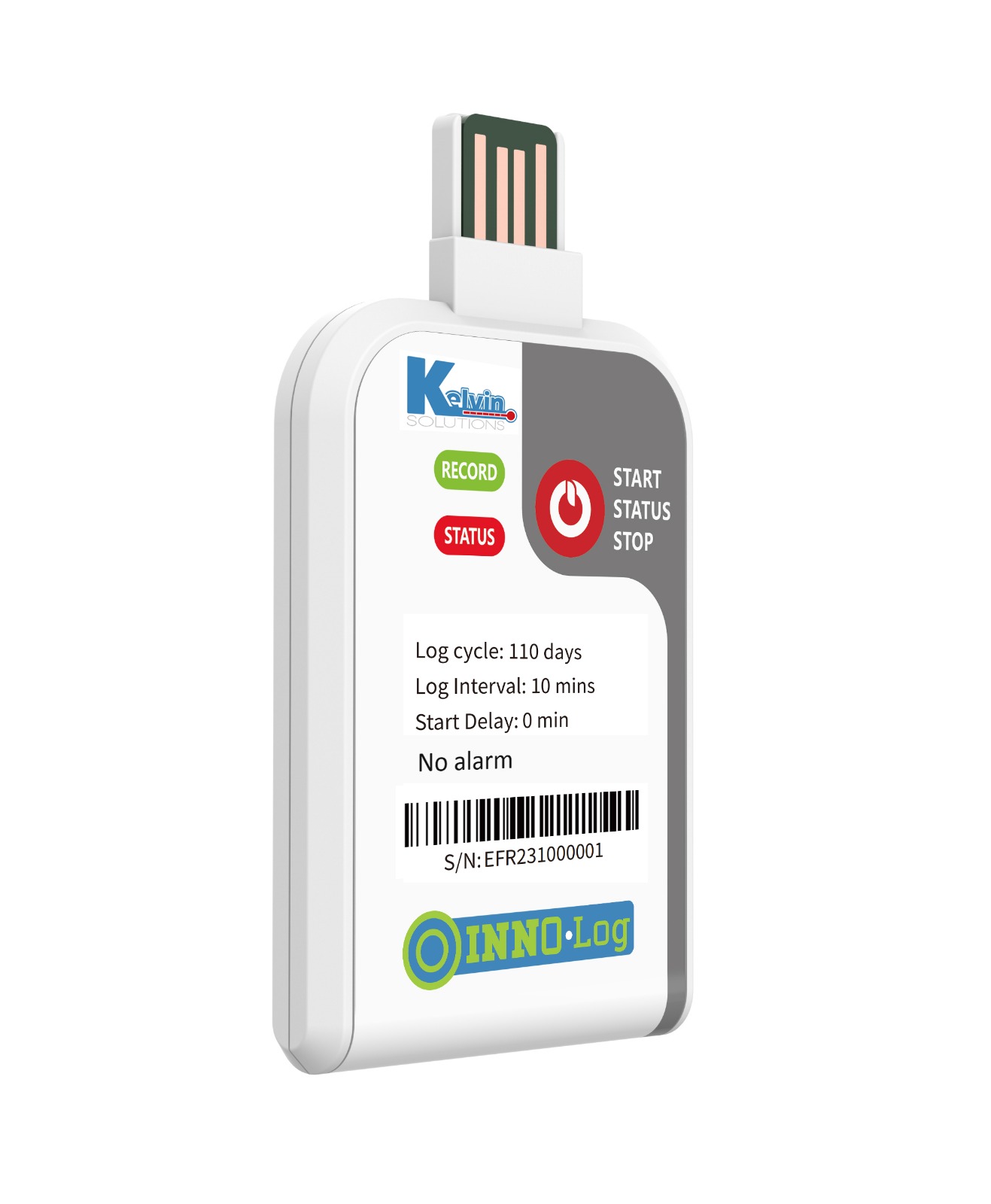
Kelvin Solutions develops monitoring solutions specifically designed for temperature-sensitive supply chains. The Innolog range, including the Innolog Pro and Innolog LCD, allows logistics managers to track temperature conditions continuously, receive instant alerts in case of deviation, and generate reports for quality and traceability requirements.
Whether you manage a fresh produce distribution network, a food processing facility, or a multi-site logistics operation, having the right monitoring infrastructure in place is not optional. It is the foundation of a reliable cold chain.
Why Temperature Controlled Logistics Demands Continuous Investment
Cold chain requirements are becoming more stringent, not less. Growing consumer expectations around food safety, quality and shelf life are pushing companies to raise their standards.
Investing in robust temperature monitoring is not just about compliance. It is about protecting your products, your clients, and your reputation.
News of Kelvin Solutions
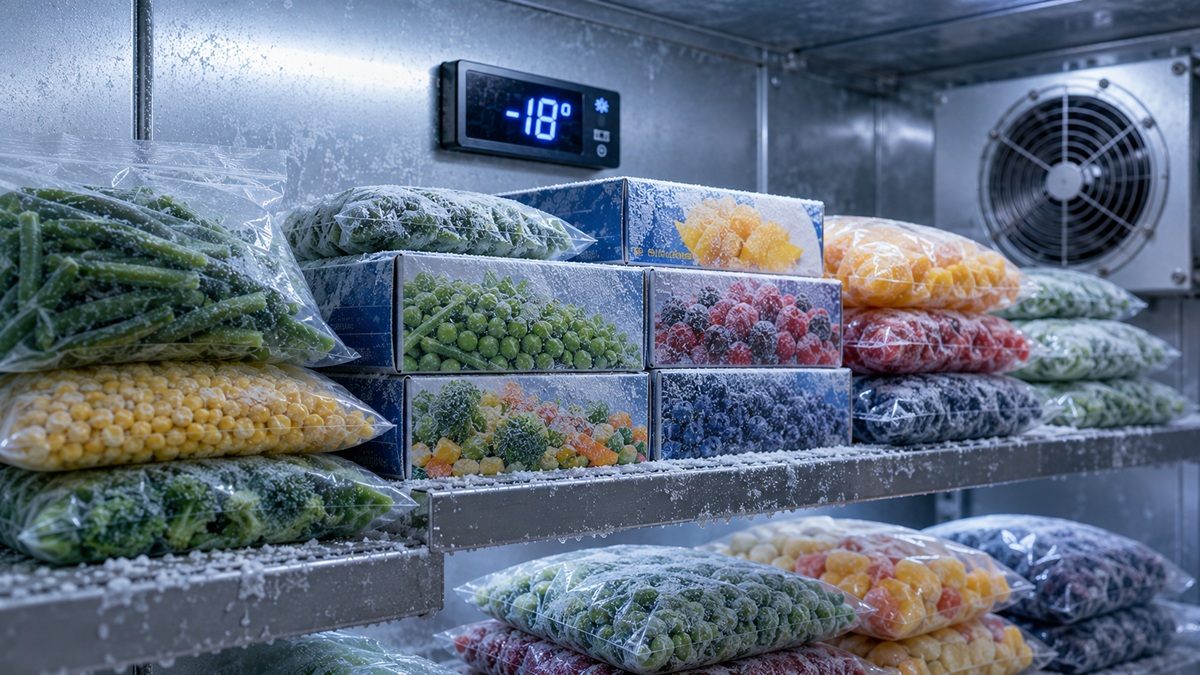
How to prevent cold chain breaks in frozen fruit and vegetables