Packaging
The future of sustainable packaging requires reducing weight without compromising package strength
Billerud highlights lightweighting and fiber solutions in sustainable packaging

New international regulations, circularity requirements, and growing consumer demands are fundamentally transforming the packaging industry. Against this backdrop, the Swedish company Billerud has released its Packaging Tomorrow 2026 trends report, highlighting that the success of sustainable packaging depends on moving from mere environmental ambitions to practical execution, placing material lightweighting and wood-fiber-based solutions at the heart of corporate strategy.
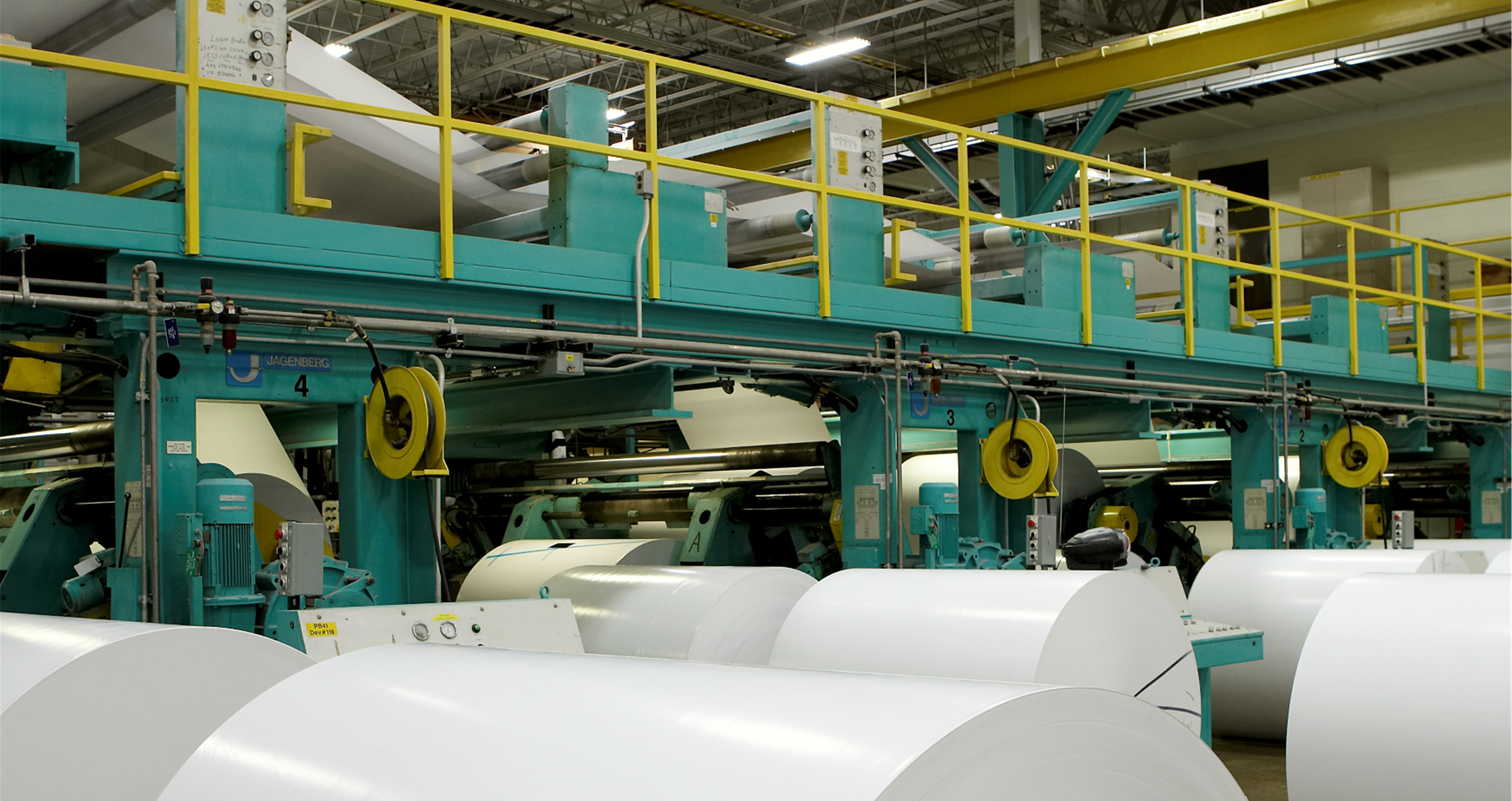
Resource efficiency and circularity as a business imperative
The report highlights that reducing weight and raw material consumption is a fundamental pillar for lowering the environmental footprint, but warns of the risks of compromising technical performance:
- Product protection against waste: An excessive reduction in grammage that compromises packaging strength can lead to breakage or product damage during the supply chain, resulting in a greater environmental and economic impact than the savings achieved on the packaging itself.
- Acceleration of fiber-based solutions: The shift from fossil-based packaging (plastics) to paper and cardboard materials continues to gain momentum, driven by recyclability regulations and circular design principles applied from the initial development stage.
- Circularity by design: Recyclability is no longer an optional commitment but a market-access requirement that influences brand value and regulatory compliance.
Key data on consumer and market trends
The comprehensive analysis provided by Billerud reveals a clear shift in purchasing behavior and perceptions of packaging:
- Purchasing decisions in Europe: 53% of European consumers state they have switched brands due to packaging that was not recyclable.
- Uncertainty regarding recycling: Despite it being a priority, only 9% of consumers in the UK feel completely confident about which materials can actually be recycled correctly.
- Connectivity and information: 79% of US consumers show a greater willingness to purchase products featuring QR codes or other interactive technologies to verify the product's origin, composition, and sustainability.
Related news