News
Postharvest Management of Chrysanthemums: Best Practices and Future Trends
Chrysanthemums are globally valued for their diverse beauty and long shelf life. Maximizing their longevity requires robust cultivars, optimal pre-harvest conditions, and strict postharvest temperature (0–1°C) and hydration control. Innovations in breeding, sea transport, and subzero storage will further enhance their commercial success
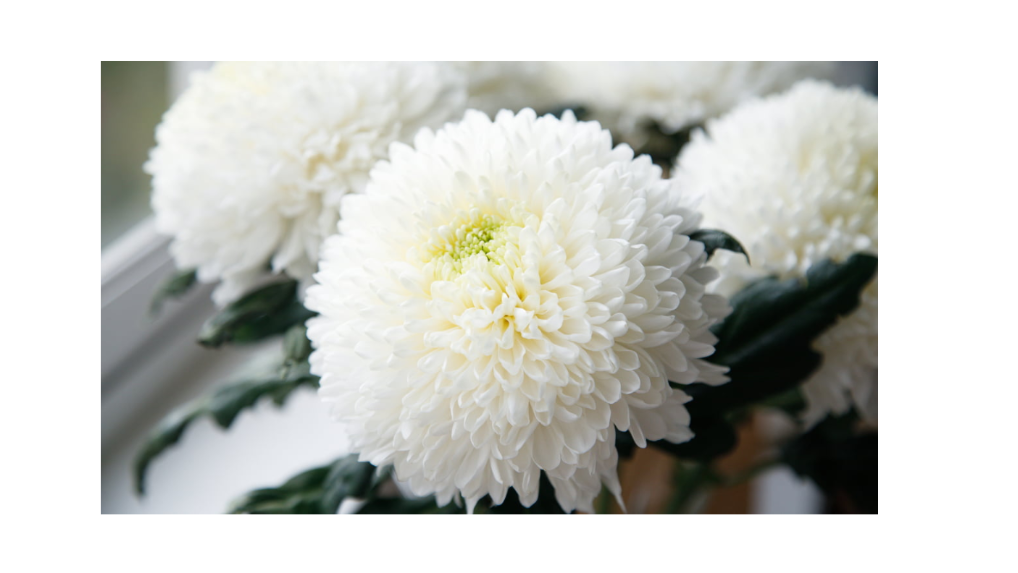
Chrysanthemums (Chrysanthemum morifolium) are one of the world’s most important cut flowers, potted flowering plants, and garden plants due to their stunning array of flower colors, forms, and sizes as well as a long postharvest life. Many factors affect postharvest life, starting with selecting long-lasting cultivars, especially in regard to resistance to leaf yellow or necrosis. Optimum relative humidity, light and nutrition during production, and proper harvest stage are needed for a long shelf life. After harvest, several factors should be considered including minimizing ethylene, ensuring stems and plants are well hydrated, and preventing mechanical damage and diseases. Maintaining low temperatures, 0–1°C, from harvest to sale and using proper bucket and vase solutions is especially critical for cut flowers. The future is bright for chrysanthemums with continually improved breeding, sustainable production practices, improved transport logistics, such as sea transport, and new handling protocols, such as subzero storage of cut flowers.
Source
Dole, J. M., & Faust, J. E. (2026). Postharvest management of chrysanthemum. En M. SharathKumar & E. Heuvelink (Eds.), Chrysanthemum (pp. 401–423). CAB International.
https://doi.org/10.1079/9781789248289.0011
Casa Planta Vigo. (s.f.). Significado de los crisantemos [Fotografía]. Casa Planta. https://casaplantavigo.com/blog/significado-crisantemos/