News
Strait of Hormuz disruption forces fresh produce shippers to protect shelf life
Suspended transits and insurance tightening around Hormuz are adding uncertainty to sailing schedules, and that uncertainty quickly turns into quality risk for fruit and vegetable shipments
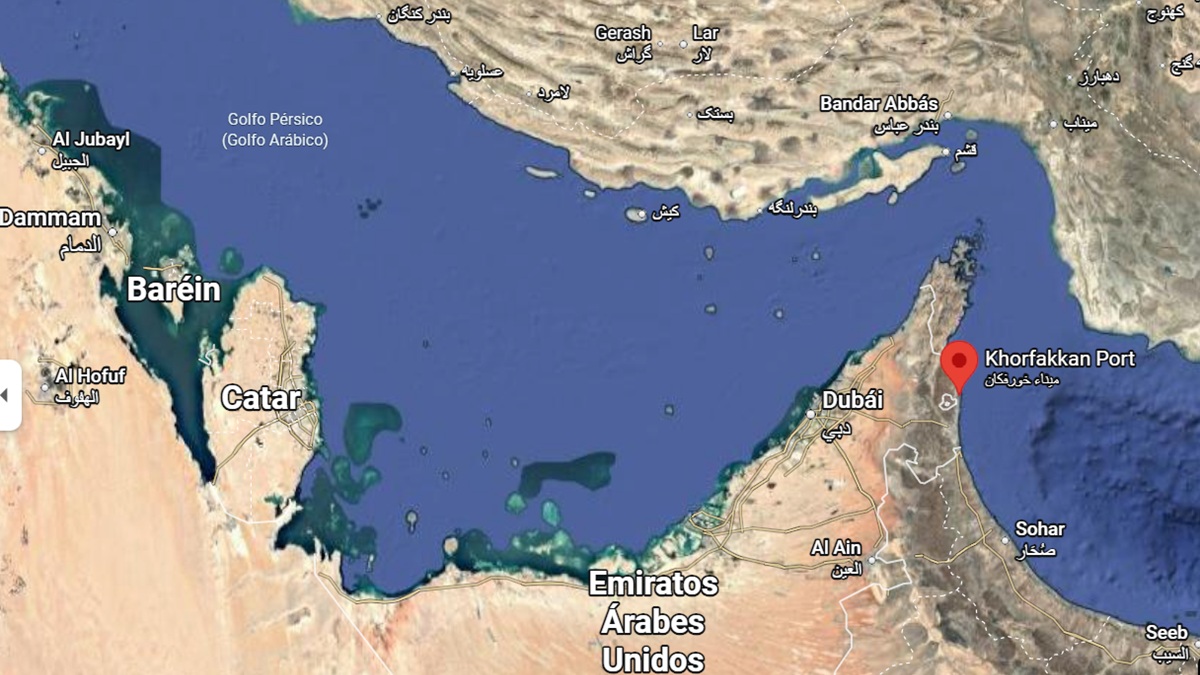
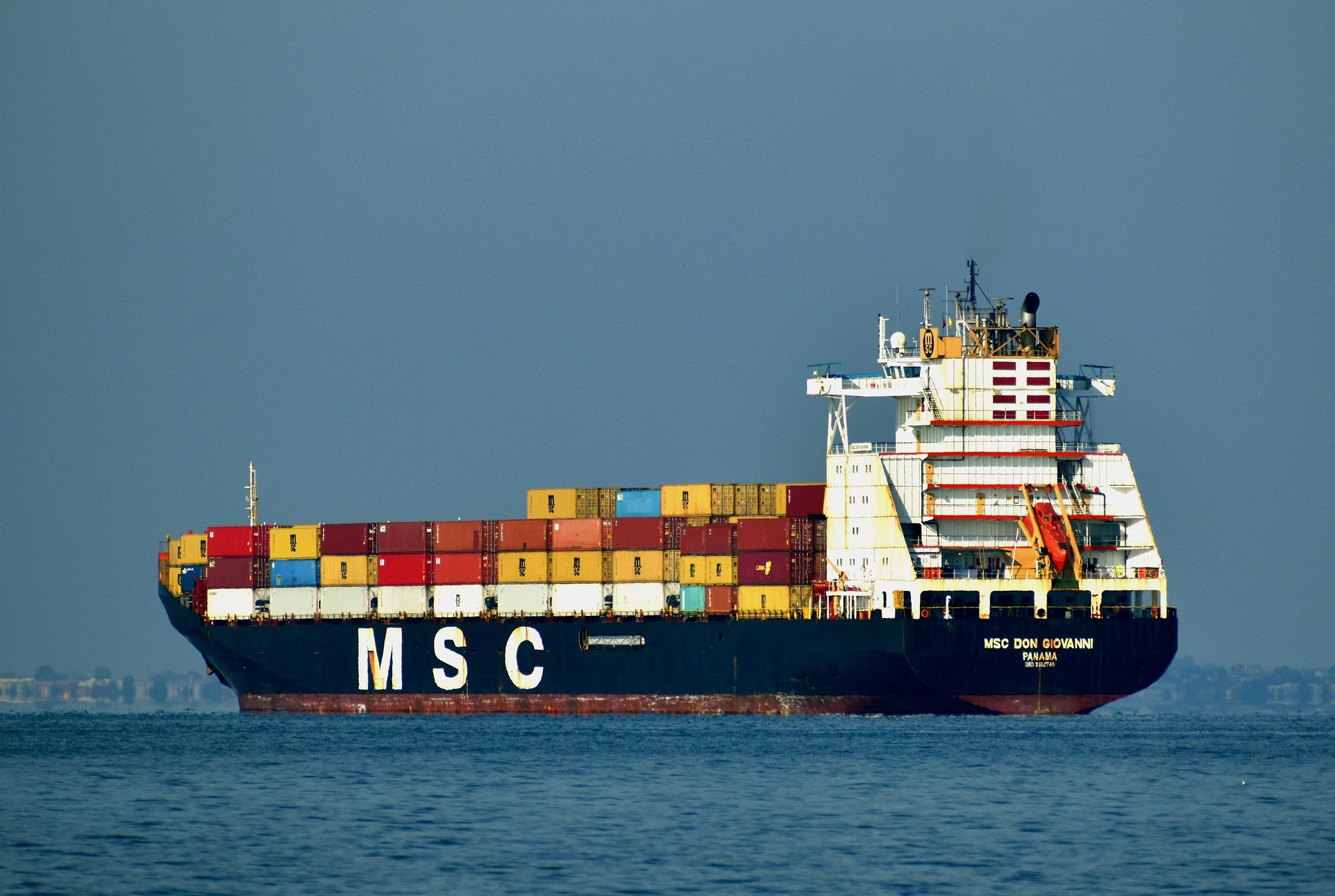
The disruption in the Strait of Hormuz is reshaping maritime operations with a direct impact on international trade and, more specifically, on shipments of fruit and vegetables to the Middle East and Asia. MSC has communicated a precautionary suspension of bookings into the region, in a context of changing security conditions that affects port calls, routing, and service availability.
In practical terms, the critical variable is no longer only the freight rate, because every extra day in transit erodes commercial margin and increases the likelihood that product arrives out of specification, even when the reefer container maintains stable refrigeration for most of the journey.
Operational update communicated by MSC and affected ports
MSC reports a booking suspension for cargo destined to the Middle East until further notice, as a measure linked to the evolution of regional risk and to the priority of safety for crews and vessels. At the same time, the company warns of operational restrictions and the possibility of route redesigns, discharge at alternative ports, and accumulated delays driven by congestion and itinerary changes, with direct implications for perishable and sensitive commodities.
In communications circulated among exporters and logistics operators, the affected destinations include ports in Bahrain such as Bahrain, in Iraq such as Umm Qasr, in Kuwait such as Shuaiba and Shuwaikh, in Oman such as Salalah and Sohar, in Qatar such as Hamad, in Saudi Arabia such as Ad Dammam and Jubail, in the United Arab Emirates such as Abu Dhabi, Ajman, Jebel Ali, Sharjah and Umm Al Qaiwain, and in Yemen such as Mukalla.
Postharvest implications of delays, route changes, and alternative discharge
When itineraries become longer or less predictable, shelf life shrinks because respiration, water loss, and ripening continue throughout the entire journey, and every additional day tightens the commercial window at destination. Discharge at alternative ports and rescheduling of connections increases the risk of temperature variability due to waiting times and extra handling, and that variability raises the probability of condensation on packaging and pallets, with higher pressure from postharvest pathogens and defects that often express strongly on arrival. If actual arrival time stops being consistent, lot heterogeneity becomes a bigger issue, because the most advanced fruit falls out of specification earlier and the remainder arrives with lower commercial uniformity, complicating sales planning, stock rotation, and responsibility allocation.
In this scenario, the operational adjustment starts at origin with rigorous precooling and uniform pulp temperature before loading, because the capacity to correct problems narrows when transit extends and delivery windows become more volatile. Harvest planning should revisit target maturity and varietal tolerance, prioritizing more stable lots for long routes and reserving the most sensitive lots for markets with better ability to absorb delays. It is also advisable to strengthen traceability with temperature records and logistics milestones, because responsibility becomes harder to establish when rescheduling, alternative discharge, and insurance changes driven by regional risk are introduced.
The key point to watch will be close monitoring of actual transit time and shipment temperature stability, because both variables drive immediate decisions on harvest timing, precooling intensity, destination selection, and the commercial strategy on arrival.