News
Sulfur-rich fruits and vegetables need a tailored approach to processing
The review by Yongkang Xie et al. explores how different post-harvest techniques, including drying methods and storage conditions, affect the content and transformation of sulfur-containing compound
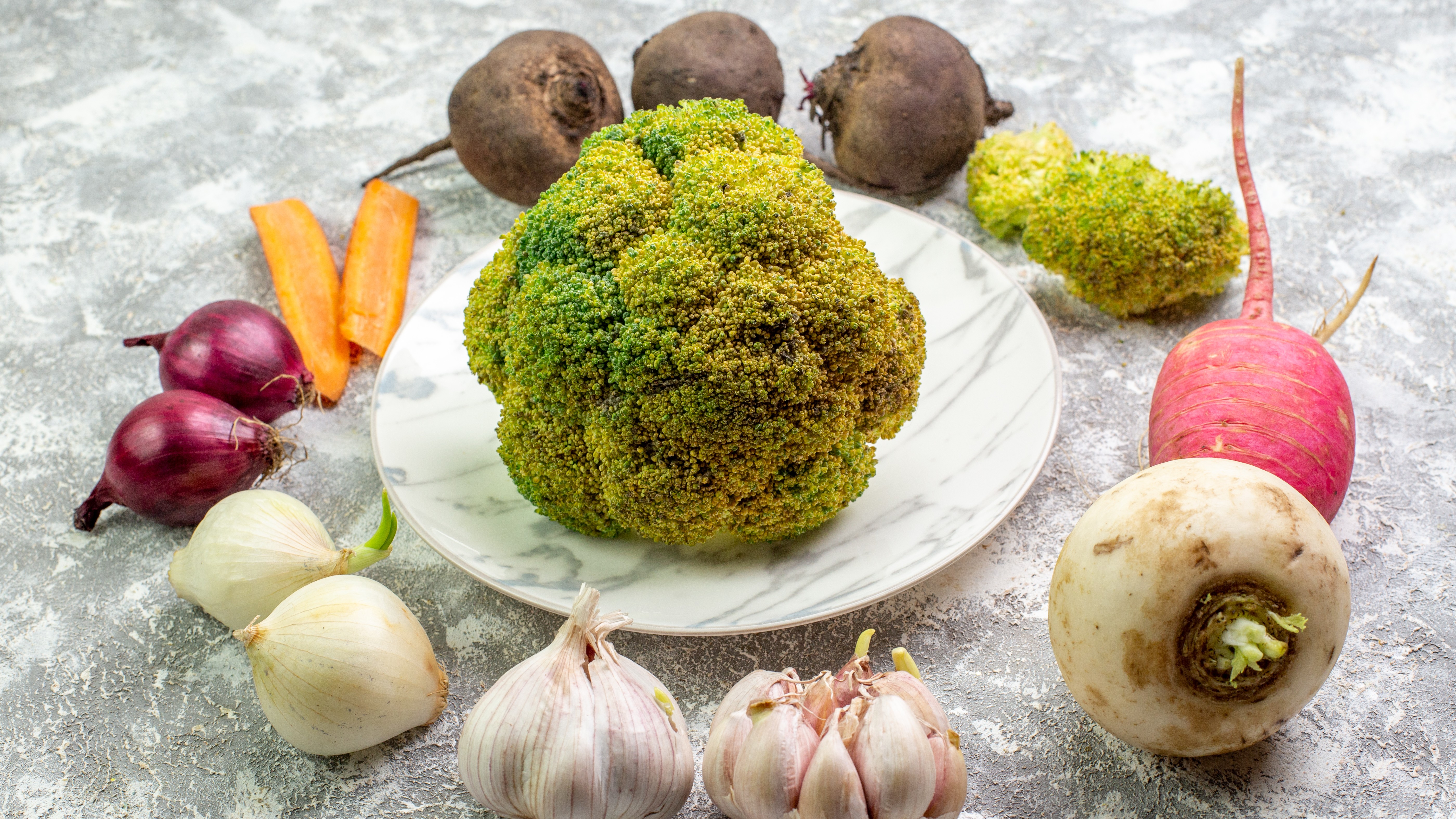
Flavor components are vital to the sensory quality, nutritional value, and marketability of fruits and vegetables, with sulfur-containing compounds like thioethers and mercaptans playing a significant role in defining their taste and aroma, such as the pungency of Allium vegetables and the distinct smell of cruciferous vegetables.
However, these compounds are sensitive to changes caused by pretreatment-primary processing and storage processing, which can impact both the quality and health benefits of the produce.
This review explores how different post-harvest techniques, including drying methods and storage conditions, affect the content and transformation of sulfur-containing compounds. It highlights that pretreatments like high-temperature and ultrasound can reduce enzyme activity, minimizing the degradation of these compounds.
Furthermore, advanced drying technologies, such as vacuum and pulsed pressure, are shown to significantly enhance their retention, evidenced by the increased allicin content in garlic slices.
Storage conditions, particularly low temperatures and controlled atmospheres, are also critical in preserving these compounds.
The findings suggest that a tailored approach to processing and storage is necessary to maintain or improve the sensory and nutritional qualities of sulfur-rich fruits and vegetables, providing valuable guidance for optimizing post-harvest handling practices in the agricultural and food industries to enhance product quality and consumer appeal.
Sources
Effects of post-harvest processing techniques on the content of sulfur-containing compounds in fruit and vegetable produce and product flavor: a review
Yongkang Xie, Dengwen Lei,Yan Zhao,Junhao Han,Yanhong Liu,Ziyi Yang & Jiale Guo
Critical Reviews in Food Science and Nutrition
https://www.tandfonline.com/doi/abs/10.1080/10408398.2025.2584472
https://doi.org/10.1080/10408398.2025.2584472
Picture, https://www.freepik.com/