News
The role of ethylene in the aromatic composition of citrus fruits from the Navel group
Ethylene directly influences the regulation of the CitUNE1 gene, responsible for modulating the synthesis of (+)-valencene. A step forward in deepening internal quality criteria beyond color and firmness
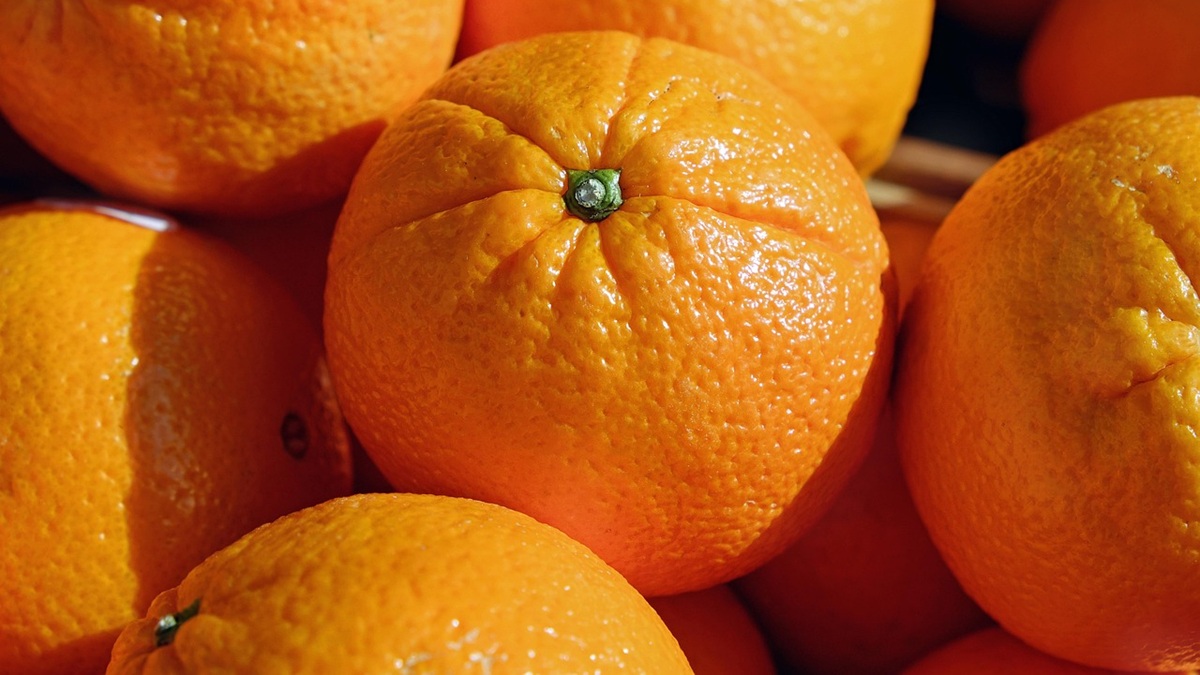
With the start of the Navelina and Newhall varieties' season, internal quality control is once again at the center of post-harvest decisions.
A study published in Plant Physiology and Biochemistry shows that the CitUNE1 gene acts as a negative regulator of CsTPS1, the enzyme responsible for synthesizing (+)-valencene, the compound that defines the natural aroma of oranges.
When CitUNE1 is expressed, the aroma decreases; by reducing its activity, the fruit has a greater aromatic intensity and a better perception of freshness.
Ethylene: from uniform color to aroma control
Ethylene, a gas widely used to standardize color in degreening treatments, also has a direct effect on the biosynthetic pathway of aroma. At controlled doses, ethylene decreases the expression of CitUNE1 and activates CsTPS1, promoting greater synthesis of (+)-valencene.
The result is fruit with a uniform color, more intense aroma, and enhanced organoleptic profile, without compromising texture or shelf life. This dual effect makes ethylene a multifunctional precision tool, capable of simultaneously optimizing visual and sensory parameters.
Implications for post-harvest management
- Incorporate aroma as a new internal quality parameter, along with °Brix, acidity, and color, to achieve a more comprehensive assessment that is aligned with consumer sensory perception.
- Optimize ethylene protocols based on destination and length of the commercial chain. Intensify aroma development for local markets, or maintain a balance between aroma, color, and firmness for long-distance exports.
- Differentiate batches and preservation strategies based on aroma profile and response to ethylene, prioritizing perceived freshness and sensory value as key factors for competitiveness and market positioning.
Understanding the role of ethylene in the regulation of the CitUNE1 gene opens the door to precision postharvesting, in which internal quality criteria incorporate measurable sensory attributes that are decisive in consumer acceptance and product differentiation.
Conclusion
The role of ethylene in the aromatic composition of Navel citrus fruits demonstrates that applied molecular biology can be transformed into a practical post-harvest management tool. Understanding how the CitUNE1 gene regulates this process allows treatments and commercial strategies to be adjusted with a clear objective: to obtain more attractive fruit with a better organoleptic profile and longer shelf life.
Sources
Shen, Y., Gao, J., Zhang, M., Li, X., Chen, J., & Zhang, Z. (2025). CitUNE1 inhibits (+)-valencene synthesis by regulating CsTPS1 in ‘Newhall’ sweet orange. Plant Physiology and Biochemistry, 216, 109854. https://doi.org/10.1016/j.plaphy.2025.109854