News
The role of relative humidity in the storage of fruits and vegetables
Humidity control during storage and transport is key to preventing weight loss, quality deterioration and microbial growth
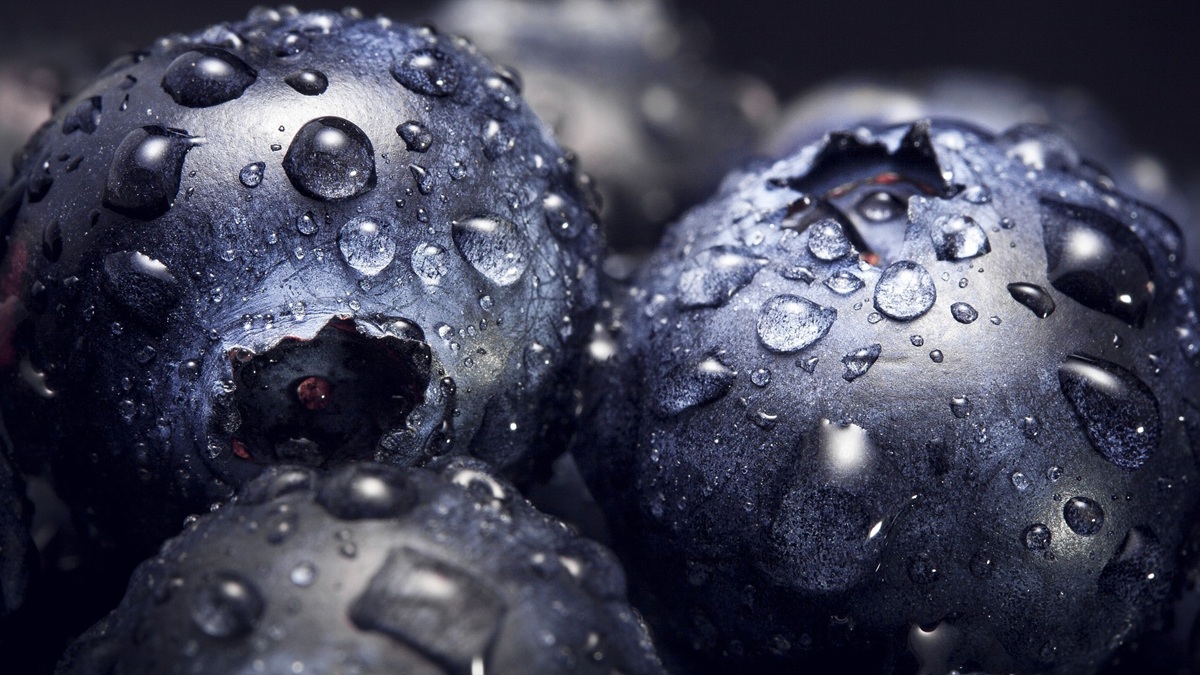
Relative humidity is one of the key factors in postharvest storage of fruits and vegetables, together with temperature. Its management directly affects water loss, texture, appearance and overall shelf life throughout the supply chain. Under postharvest conditions, most horticultural products contain between 80% and 95% water, meaning that small variations in environmental humidity can result in significant quality losses.
Water loss and deterioration under low humidity conditions
When relative humidity is low, product transpiration increases, meaning water is lost to the surrounding environment. This leads to weight loss and reduced tissue turgidity. A mass loss of 4% to 6% is enough for wilting to become visible in many products, particularly leafy vegetables.
In addition, dehydration affects texture, promoting the development of soft tissues and reducing perceived quality. The rate of this process depends on both relative humidity and temperature, as higher temperatures increase the air’s capacity to hold water vapour, accelerating product water loss.
Risks associated with excessive humidity
Although high humidity levels help reduce dehydration, excessive relative humidity can create additional problems. Condensation on the product surface or inside packaging generates favourable conditions for microbial growth.
This humid environment promotes the development of fungi and bacteria responsible for decay, particularly during prolonged storage or under fluctuating temperature conditions. For this reason, humidity control must avoid both low levels and saturation conditions that may lead to condensation.
Requirements and management along the supply chain
Relative humidity requirements vary depending on the type of product. Leafy vegetables and products with high surface exposure show higher transpiration rates and require conditions close to 95% relative humidity to maintain quality, while products with thicker skins can tolerate slightly lower levels.
In minimally processed products, humidity management is even more critical due to exposed tissues and the absence of natural barriers. In general, relative humidity control relies on balancing temperature, ventilation and packaging, with typical ranges between 85% and 95%.
The use of packaging, coatings or environmental control systems helps maintain more stable conditions and reduce water loss, although the accumulation of free moisture must be avoided. In this context, relative humidity is a critical parameter that must be managed alongside temperature to optimise storage conditions and reduce losses throughout the horticultural supply chain.