
Wyma Solutions
Processing
Lowering environmental impact through smarter processing design
Engineering innovations in root vegetable washing and conditioning lines prove that ecological sustainability and packing house profitability are complementary goals
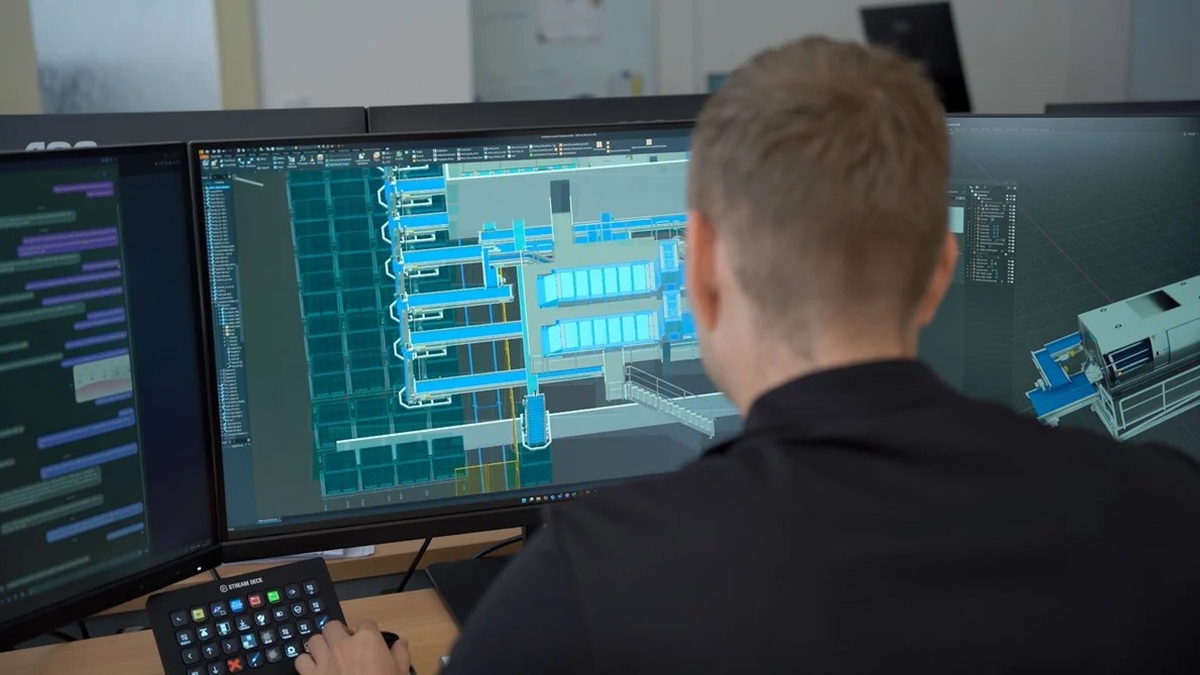
In today's agricultural business environment, commercial packing houses face a dual pressure that heavily dictates their long-term viability. On one hand, there is an imperative need to lower operational expenses within a highly competitive global market. On the other hand, facilities must comply with increasingly stringent international environmental regulations. In response to this global panorama, Wyma Solutions has developed a comprehensive approach centered around what it terms smarter processing design. This engineering philosophy practically demonstrates that implementing targeted layout upgrades within packing facilities not only curtails the industry's ecological footprint but also directly enhances the bottom line by optimizing critical input management.
Circular water systems and immediate mud separation
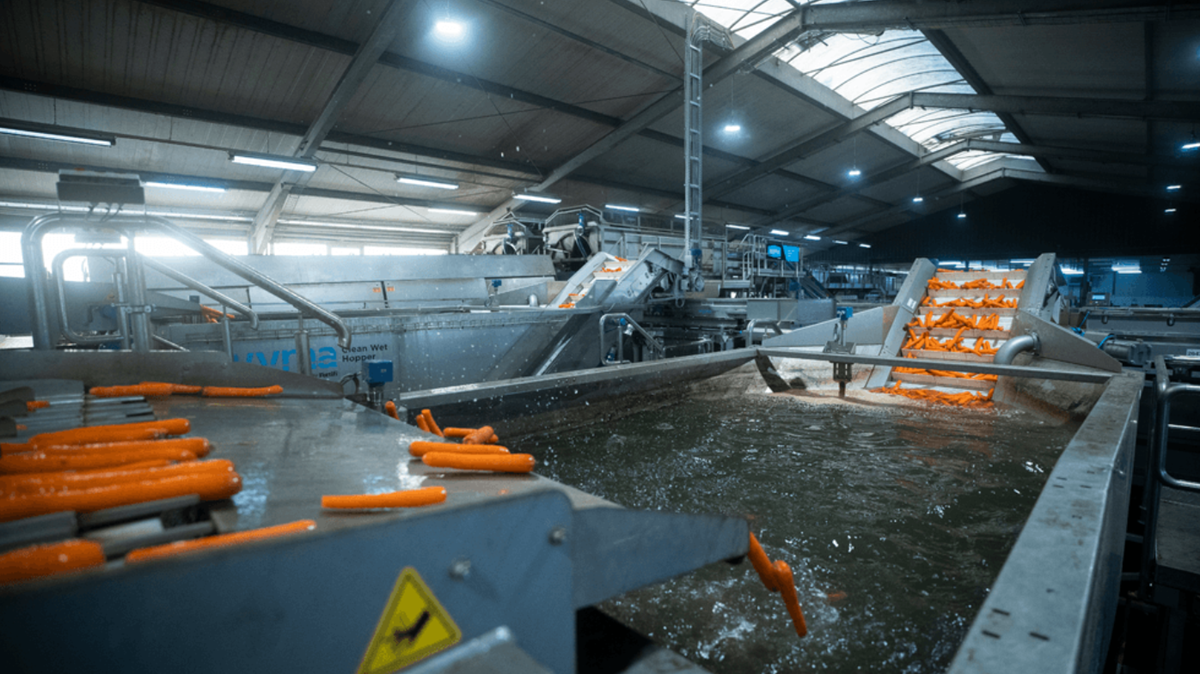
Washing root vegetables and tubers, such as potatoes or carrots, is inherently one of the most water-intensive processes in the post-harvest sector. Traditional machinery often operates under a linear consumption model that discards vast volumes of water after a single cycle due to the rapid accumulation of field soil, stones, and organic debris. The smarter processing framework proposed by Wyma alters this paradigm by integrating advanced physical separation and automated filtration systems directly into the initial stages of the production line.
By extracting heavy mud and bulky waste immediately, process water is continuously clarified and fed back into the main washing circuit. This closed-loop configuration enables packing houses to operate with minimal fresh water intake, limiting external supply needs solely to compensating for evaporation losses or moisture retained by the produce itself. Beyond the obvious environmental benefits in water-scarce regions, this strategy significantly reduces commercial wastewater disposal levies and simplifies the handling of dehydrated soil cakes, which can be safely returned to agricultural lands as an organic soil amendment.
Applied energy efficiency and dynamic line automation
Electricity consumption during peak seasonal periods represents another major financial and ecological challenge for fresh produce handling facilities. Extensive processing lines house dozens of electric motors designed to drive conveyor belts, roller polishers, clod removers, and web systems. Wyma’s eco-friendly engineering approach tackles this energy demand through the systematic integration of high-efficiency motors paired with latest-generation variable frequency drives managed by unified automation software.
This digital ecosystem monitors the flow of vegetables in real time across the entire packing plant. Instead of keeping all machinery operating at a constant, fixed speed, the system dynamically alters the revolutions of individual equipment based on the actual volume of product entering the line at any given second.
When a drop in supply or a temporary gap in tipping is detected, motor speeds are immediately dialed down or brought to a coordinated halt, completely eradicating idle running states and power usage spikes. This intelligent management mitigates the facility's carbon footprint and considerably extends the operational lifespan of mechanical components by minimizing unnecessary friction and wear.
Preserving commercial quality and reducing packhouse losses
A fundamental pillar of post-harvest sustainability that is frequently overlooked in conventional environmental analyses is the prevention of food waste within the packing facility itself. Every piece of produce discarded due to mechanical damage sustained during industrial handling represents a net loss of valuable resources, such as land, fertilizers, water, and energy invested during the cultivation stage. For this reason, Wyma’s smarter processing layouts pay meticulous attention to the ergonomics of mechanical transitions.
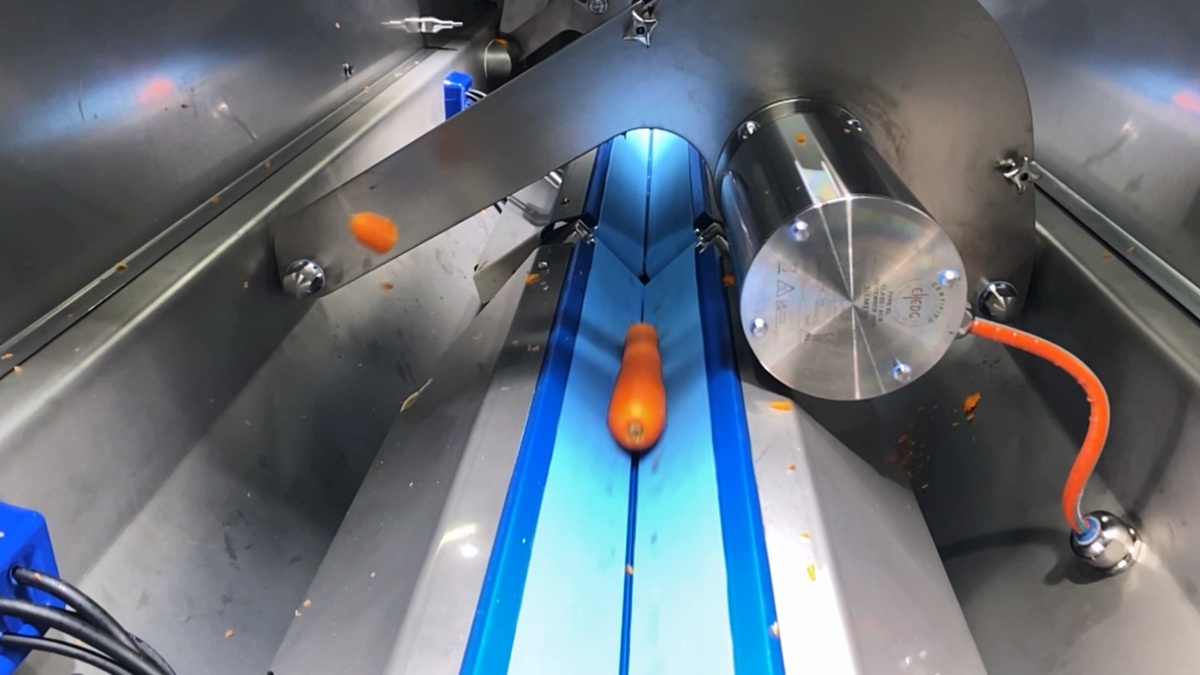
The lines are specifically configured to eliminate steep free falls and soften sharp impact points using optimized transfer chutes and advanced protective dampening materials. By ensuring an extremely gentle product flow, the occurrence of micro-lesions, skin cracking, and skinning on root crops is prevented. These surface wounds, while sometimes invisible to the naked eye during packing, serve as the primary entry point for fungal and bacterial pathogens that cause premature rotting during maritime transit or extended cold storage.
Gentle handling practices guarantee that a significantly higher percentage of the harvested crop meets the strict cosmetic and condition standards demanded by premium retailers, maximizing supply chain efficiency.
News of Wyma Solutions
Sustainable industrial future through Wyma technological innovation
Wyma Solutions