
Wyma Solutions
Conditioning
Potato Processing Explained from Intake to Packing
WYMA offers a practical guide to the key stages of potato processing to achieve higher yield, cosmetic quality, and product shelf life
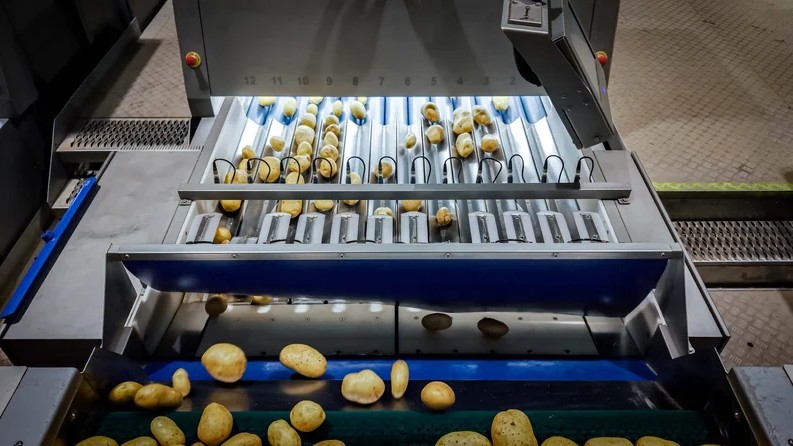
All stages of a potato processing line directly influence the final value of the product.
Poor handling at the beginning of the process can cause bruising, increased waste, reduced shelf life, and lower packaging quality. For this reason, modern processors focus on automation, gentle handling, uniform product flow, and integrated line design rather than standalone machines.
Stage 1: Intake and Infeed
The intake stage sets the tone for the entire process.
Potatoes arrive from the field with soil, stones, and debris. At this point, they are most vulnerable to damage due to drop heights, uneven flow, and uncontrolled handling.
Key considerations:
- Controlled drop points to minimise impact damage
- Even product flow into the line
- Removal of large debris early
Best practice:
Use equipment designed to absorb impact and regulate flow. Poor intake design can introduce damage before processing even begins, reducing yield from the outset.
Stage 2: Cleaning and Destoning
Effective cleaning is critical, but it must be balanced with gentle handling.
Removing soil, stones, and foreign material protects downstream equipment and improves final product quality. However, overly aggressive cleaning can damage skins and increase waste.
Key considerations:
- Matching cleaning intensity to crop condition
- Efficient removal of stones and heavy debris
- Minimising mechanical stress on product
Best practice:
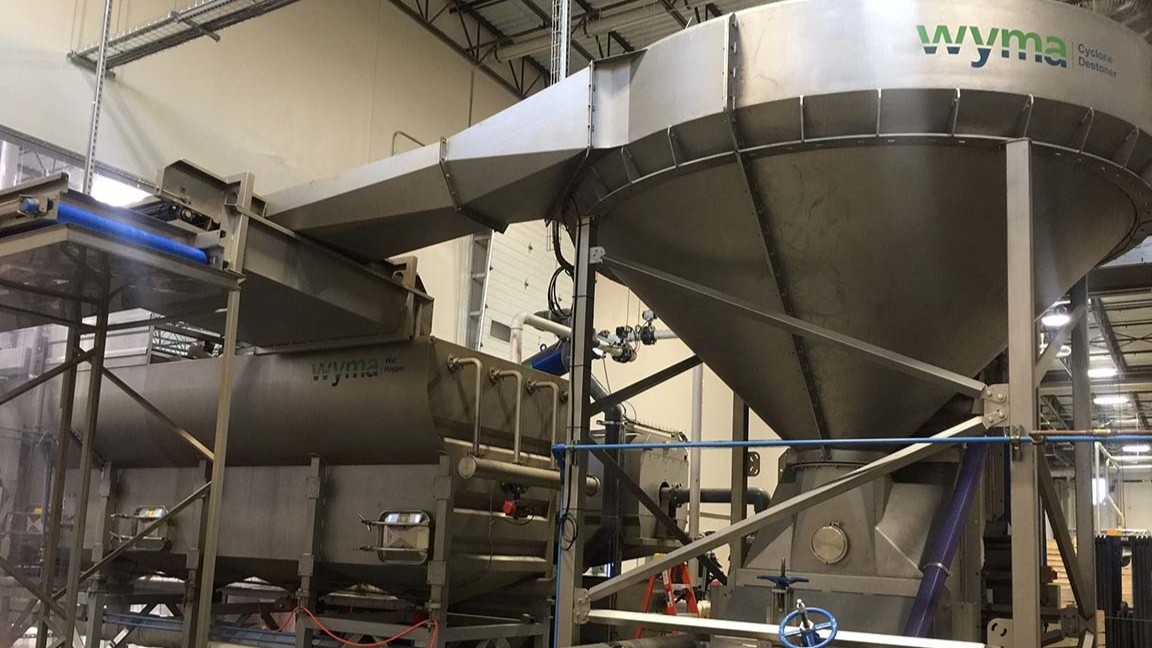
Use systems that combine effective separation with controlled handling, such as flumes and destoners designed to move product smoothly through the process.
Stage 3: Washing and Polishing
Washing enhances product appearance and prepares potatoes for grading and packing.
However, this is also a stage where poor design can lead to:
- Excessive peeling or skin damage
- Water inefficiency
- Inconsistent finish
Key considerations:
- Consistent cleaning without over-processing
- Water management and recycling
- Matching washing intensity to end-market requirements
Best practice:
Use washing systems that provide consistent coverage and control, ensuring a clean, uniform finish without compromising product integrity.
Stage 4: Grading and Sizing
Grading determines how product is categorised and ultimately sold.
Accurate grading improves pack-out efficiency and ensures consistency for retailers. However, high-speed grading must still protect the product.
Key considerations:
- Accurate sizing and separation
- Smooth transfer between grading stages
- Avoiding drops and sudden transitions
Best practice:
Ensure grading systems are integrated into the line with minimal disruption to flow, maintaining gentle handling throughout.
Stage 5: Inspection and Quality Control
Inspection, whether manual or automated, is essential for removing defects and ensuring product meets specification.
This stage is increasingly influenced by automation and optical technology, helping processors:
- Improve consistency
- Reduce labour dependency
- Increase yield through more accurate defect removal
Key considerations:
- Visibility and accessibility for operators
- Integration of optical grading where appropriate
- Minimising handling during inspection
Stage 6: Packing and Outfeed
The final stage is where product is prepared for market.
At this point, any damage or inconsistency introduced earlier becomes visible. Poor handling here can undo the benefits of a well-designed line.
Key considerations:
- Gentle transfer into packing systems
- Consistent flow to avoid bottlenecks
- Integration with weighing and packaging equipment
Best practice:
Design outfeed systems to maintain product integrity right through to packing, ensuring the highest possible quality reaches the customer.
Source: "
News of Wyma Solutions
Sustainable industrial future through Wyma technological innovation
Wyma Solutions