News
Chitooligosaccharide: a potential antifungal agent for potato dry rot
A multifaceted approach to understanding the antifungal mechanism of chitooligosaccharide against Fusarium oxysporum, a major pathogen causing potato dry rot
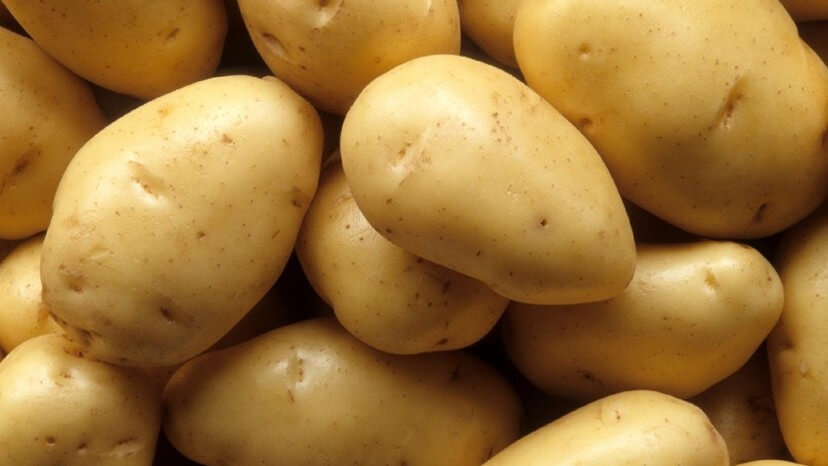
Potato (Solanum tuberosum, family Solanaceae)The potato (Solanum tuberosum, family Solanaceae) is a nutrient-rich tuber, containing essential amino acids, vitamins, and carbohydrates. It is one of the world’s major food crops.
Potato dry rot
Potato dry rot, caused by several fungi belonging to the Fusarium genus, including F. oxysporum, F. sambucinum, and F. solani, is one of the most widespread and destructive soil-borne diseases, leading to significant losses.
To prevent and control dry rot in storage, the most effective and widely adopted method is the application of synthetic fungicides. However, the excessive use of these chemicals has led to concerning consequences, such as environmental contamination by persistent residues, potential risks to the health of consumers and applicators, and increasing fungicide resistance in pathogen populations.
These pressing limitations have created an urgent need to develop sustainable alternatives. Consequently, environmentally friendly biocontrol agents have become a priority for the integrated management of this disease.
Chitooligosaccharide: a chitin-derived compound with advantages over chitosan
Chitooligosaccharide is a linear biomolecule composed of units of N-acetyl-D-glucosamine and D-glucosamine, characterized by a degree of acetylation above 90%, a degree of polymerization below 20, and an average molecular weight lower than 3,900 Da. During production, chitin obtained from arthropods is deacetylated into chitosan, and the glycosidic bonds of chitosan molecules are broken by physical, chemical, or enzymatic hydrolysis to produce chitooligosaccharide.
These structural characteristics provide distinctive advantages over its precursor chitosan, particularly in terms of water solubility and lower viscosity, which result from its shorter polymer chains and exposed amino groups.
Additionally, chitooligosaccharide is biocompatible, non-toxic, mucoadhesive, and non-allergenic, making it suitable for applications in the food, pharmaceutical, and agricultural industries without causing environmental harm.
Physiologically, chitooligosaccharide exhibits a wide range of biological activities, including antimicrobial, antioxidant, anti-inflammatory, anti-obesity, and antitumor effects; it also enhances calcium absorption, is used as a drug excipient, and acts as a prebiotic that promotes human health.
Applications
In agriculture, chitooligosaccharide can enhance plant resistance to abiotic or biotic stress, promote plant growth, and improve fruit quality. It is commonly used as a biostimulant, antifungal agent, seed treatment, soil amendment, and fertilizer.
As a biostimulant, chitooligosaccharide improves crop resistance to diseases by stimulating the secretion of defensive enzymes and immune compounds (salicylic acid and jasmonic acid), strengthening cell walls, increasing the production of reactive oxygen species in pathogens, and inducing hypersensitive-response-mediated cell death.
Chitooligosaccharide has been shown to be effective against Aspergillus niger, Saccharomyces cerevisiae, Botrytis cinerea, Monilinia fructicola, Penicillium expansum, Candida albicans, and other fungi.
Mode of action
Chitooligosaccharide generally initiates antimicrobial activity by binding to receptors in the microbial cell wall. This interaction causes the displacement and loss of potassium ions (K+) from the cell membrane, leading to extracellular acidification, increasing the transmembrane potential difference, and enhancing Ca2+ uptake.
These changes impair microbial cell survival, resulting in cell death.
Research on the control of F. oxysporum
Considering the proven antimicrobial effects of chitooligosaccharide on plant pathogens and the known activity of chitosan against F. oxysporum, a research group hypothesized that this compound could offer superior efficacy against this economically important pathogen.
To systematically validate this hypothesis, the present study was designed to investigate the activity and mechanism of chitooligosaccharide at multiple levels:
-
direct effects on mycelial growth
-
inhibition of spore germination
-
disruption of the cell membrane and cell wall chitin
-
impact on F. oxysporum virulence
-
effects on fungal development under different stress environments
-
induction of potato resistance against F. oxysporum
-
molecular mechanisms revealed through transcriptome analysis
Transcriptomic analysis of F. oxysporum with and without chitooligosaccharide exposure revealed a total of 3,949 differentially expressed genes, including 2,293 upregulated and 1,656 downregulated.
These differentially expressed genes were mainly associated with metabolism and transport.
This study provides a new strategy for the development of chitooligosaccharide as a potential biocontrol agent against potato dry rot.
Sources
Huang, A.; Ren, J.; Zhang, J.; Jia, Y.; Zhou, J.; Liu, P.; Zhang, C.; Huang, X.; Luo, X.; Shi, L.; Yang, L.; Zhao, Y.; Huang, Z.; Luo, X.; L, Z.; Dong, P. (2026).
A multi-pronged approach to understanding the antifungal mechanism of chitooligosaccharide against Fusarium oxysporum, a major pathogen causing potato dry rot.
Postharvest Biology and Technology, 232: 114005.
Image:
https://www.uol.com.br/vivabem/noticias/redacao/2018/11/03/batata-ajuda-a-reduzir-estresse-e-pressao-veja-estes-e-mais-10-beneficios.htm
Accessed 26/11/2025.