News
Improved plum storage
The co-application of melatonin and γ-aminobutyric acid (GABA) increases antioxidant capacity and physicochemical quality in plums
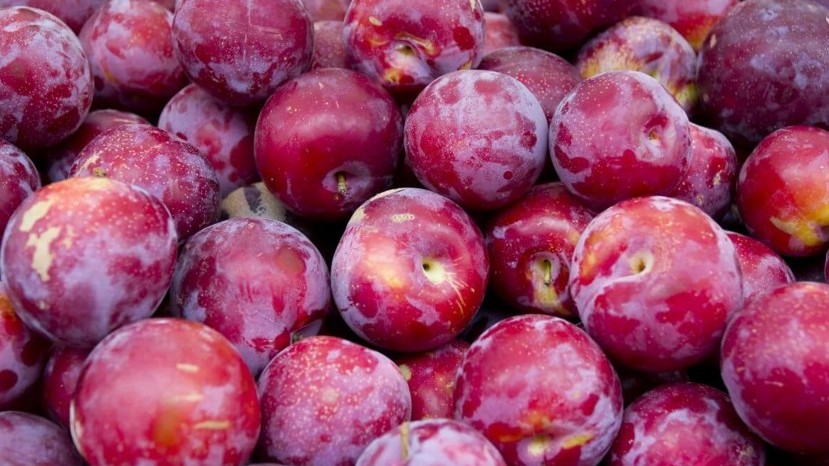
Plum (Prunus spp. Lindl., family Rosaceae) is an important crop because it contains phenolic compounds with antioxidant properties that can help maintain tissue structure by neutralizing free radicals generated as a result of abiotic and biotic stress during harvest and storage at low temperatures.
In a previous study, antibacterial activity was reported in plum leaves, highlighting the presence of bioactive compounds with potential protective functions, which could also be relevant for fruit tissues. Therefore, improving the antioxidant capacity of plums could help extend their shelf life.
Melatonin, a phytohormone with broad functions
Melatonin (N-acetyl-5-methoxytryptamine) is a phytohormone derived from the amino acid tryptophan. Its functions in plants include germination, root development, photosynthesis, flowering, senescence, and resistance to biotic and abiotic stress.
In addition, melatonin scavenges reactive oxygen and nitrogen species and induces the expression of genes that regulate antioxidant enzyme activity, while also promoting the accumulation of non-enzymatic antioxidants.
This compound has been used in exogenous treatments of fruits and vegetables, as it helps preserve plasma membrane integrity and intracellular energy status. This action delays softening in produce and increases antioxidant capacity. It also promotes the stability of phenolic compounds, helping to maintain nutritional quality.
Melatonin has been shown to influence the biosynthesis of proline and γ-aminobutyric acid (GABA), among other compounds, in response to stress conditions.
This phenomenon has been associated with greater resistance to chilling injury.
It has also been reported that melatonin exhibits antifungal properties and improves the physicochemical and bioactive quality of different postharvest fruits.
GABA, a non-protein amino acid with multiple functions
GABA is a non-protein amino acid present in plants that performs a wide range of functions related to pH regulation, oxidation-reduction processes, energy balance, antioxidant activity, metabolism and, above all, the management of biotic and abiotic stress.
It has also been shown that GABA shares specific substrates with proline, and that the interaction mechanism between these two compounds is associated with increased cold tolerance through a synergistic effect.
Exogenous application of GABA has been documented to stimulate its accumulation as well as that of proline. In addition, its application has been shown to enhance the activity of antioxidant enzymes against cold stress.
As a preharvest treatment, GABA plays an important role in the growth and development of various fruits and vegetables.
Treatments with melatonin and GABA
In light of these findings, numerous studies have evaluated the impact of melatonin and GABA treatments in various plant-based foods.
Several trials have assessed the maintenance or improvement of physicochemical profiles and bioactive compounds after cold storage in different fruits, such as cherries and oranges.
These studies revealed that treatments with melatonin and GABA lead to an increase in specific bioactive compounds.
Combined application of melatonin and GABA
A recent study aimed to determine whether melatonin combined with GABA, applied at different stages, improves the results observed with melatonin alone. The results showed that the application is more effective when performed during the preharvest stage.
Furthermore, the synergy between melatonin and GABA is evident in several parameters, including improvements in the physicochemical and bioactive profile of plums.
The most significant result is the enhancement of the antioxidant profile, allowing better preservation of the fruit during storage.
The combined application of melatonin + GABA produces significant improvements in certain characteristics, providing advantages due to the synergistic effect of both elicitor compounds.
Sources
Vasco, M. P.; Micharet, B. V.; León.; Fernandes, A. M.; Serradilla, M. J. (2026). Stage-dependent effects of melatonin–GABA co-application on antioxidant capacity and physicochemical quality of plums.Scientia Horticulturae, 355: 114548. https://www.sciencedirect.com/science/article/pii/S0304423825005953 Accessed 12/03/2026.
https://doi.org/10.1016/j.scienta.2025.114548 Accessed 12/03/2026.
Image
https://www.cookforyourlife.org/es/nuestro-blog-de-cocina/ciruelas/ Accessed 12/03/2026.