
Wyma Solutions
Conditioning
Line balancing keys to prevent bottlenecks in vegetable packing houses
Synchronizing equipment capacities and automating flow control brings actual throughput closer to theoretical targets while reducing labor dependency
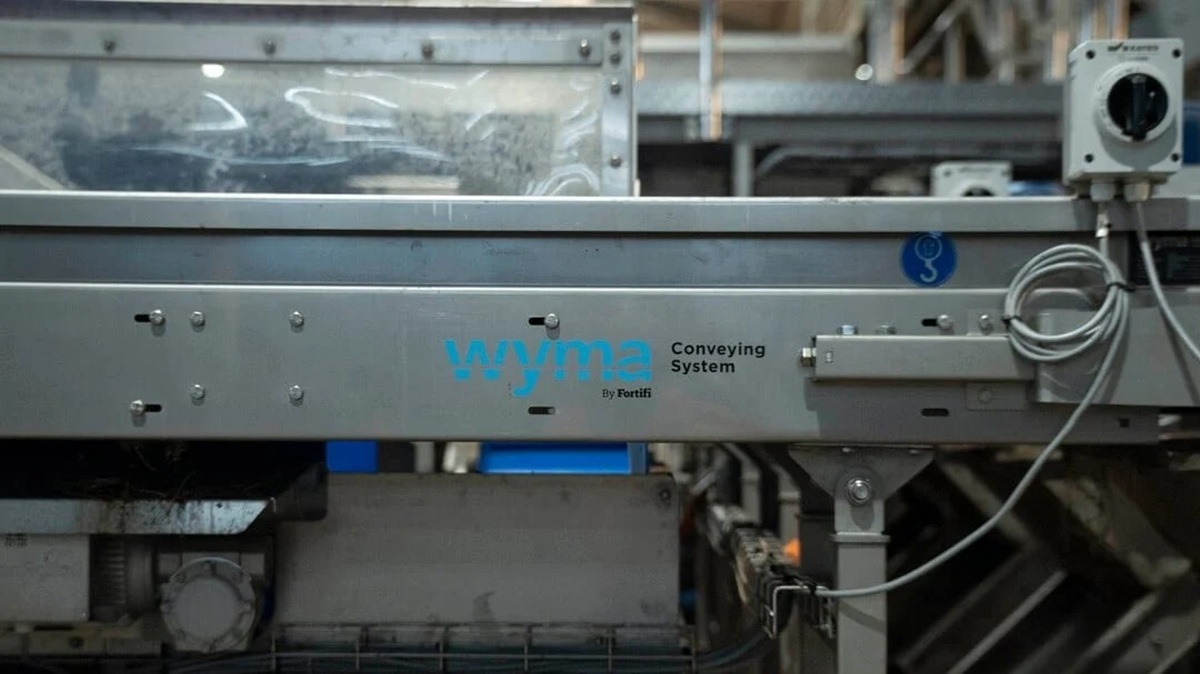
In fresh produce packing houses, a significant gap often exists between theoretical equipment capacity and the actual throughput achieved per shift. To close this gap and protect operating margins during peak harvest periods, Wyma highlights the role of line balancing—an engineering discipline that aligns machine capacities, product flow rates, and labor allocation from intake through to packaging so that no single station systematically restricts overall plant performance.
Where bottlenecks occur
In vegetable processing lines geared toward export markets—particularly those handling root crops such as carrots and potatoes—bottlenecks typically emerge where manual tasks intersect with mechanical processing, or where machine capacities are mismatched:
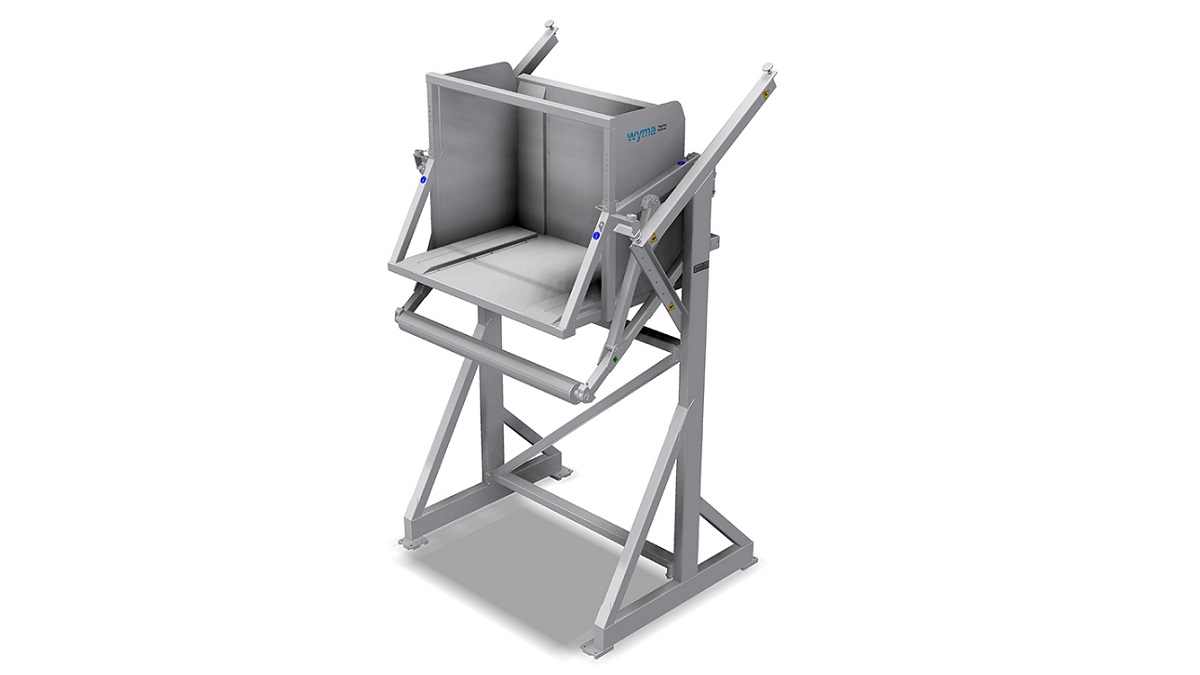
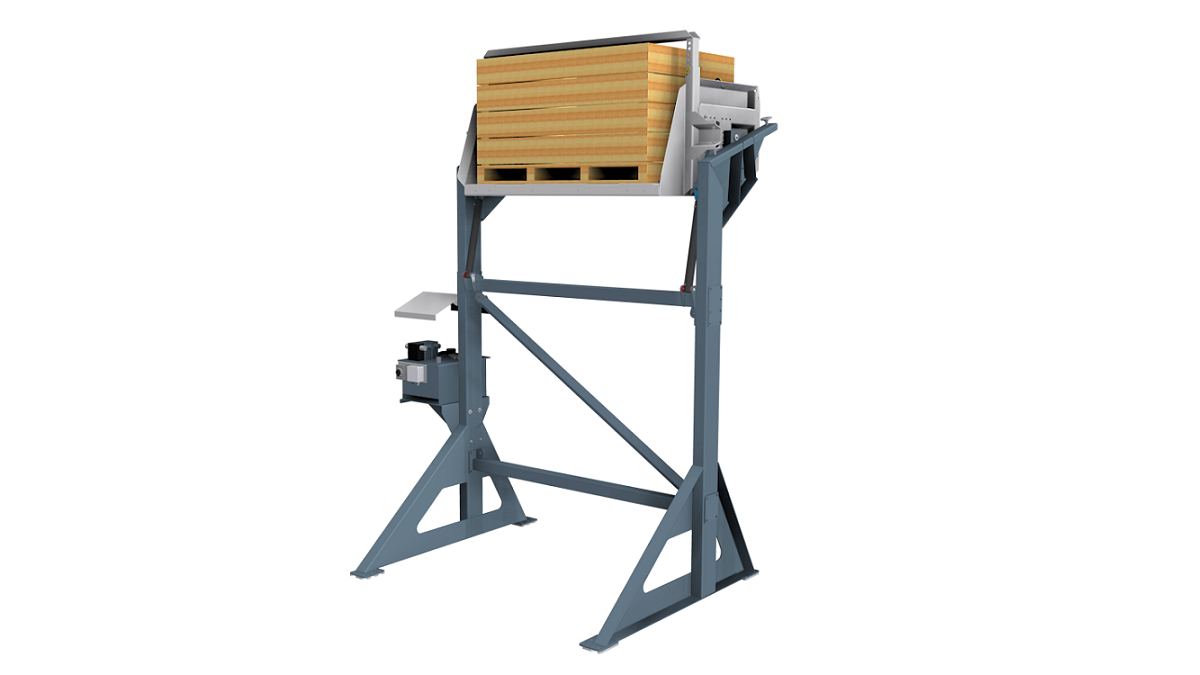
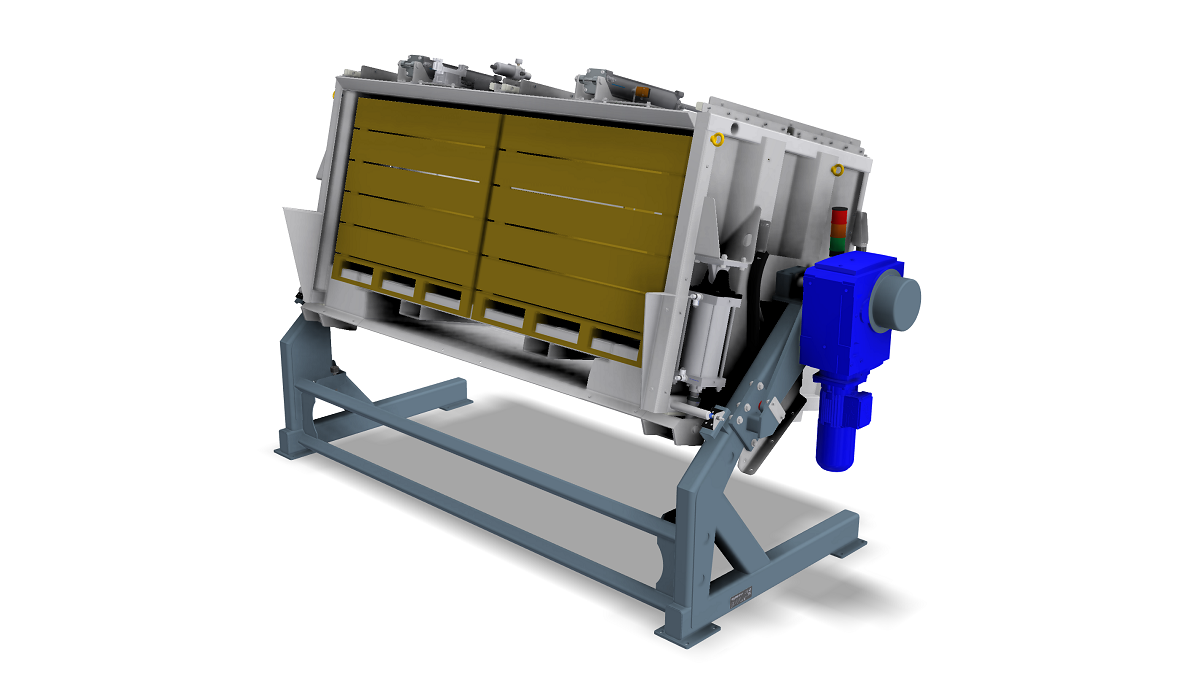
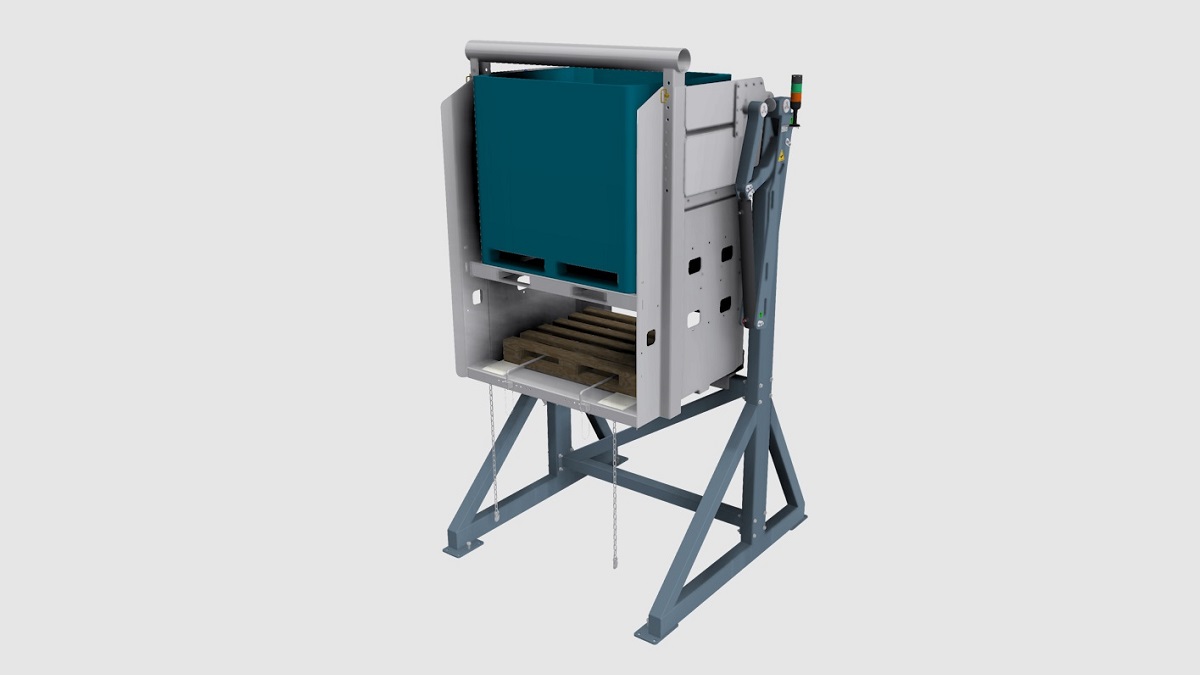
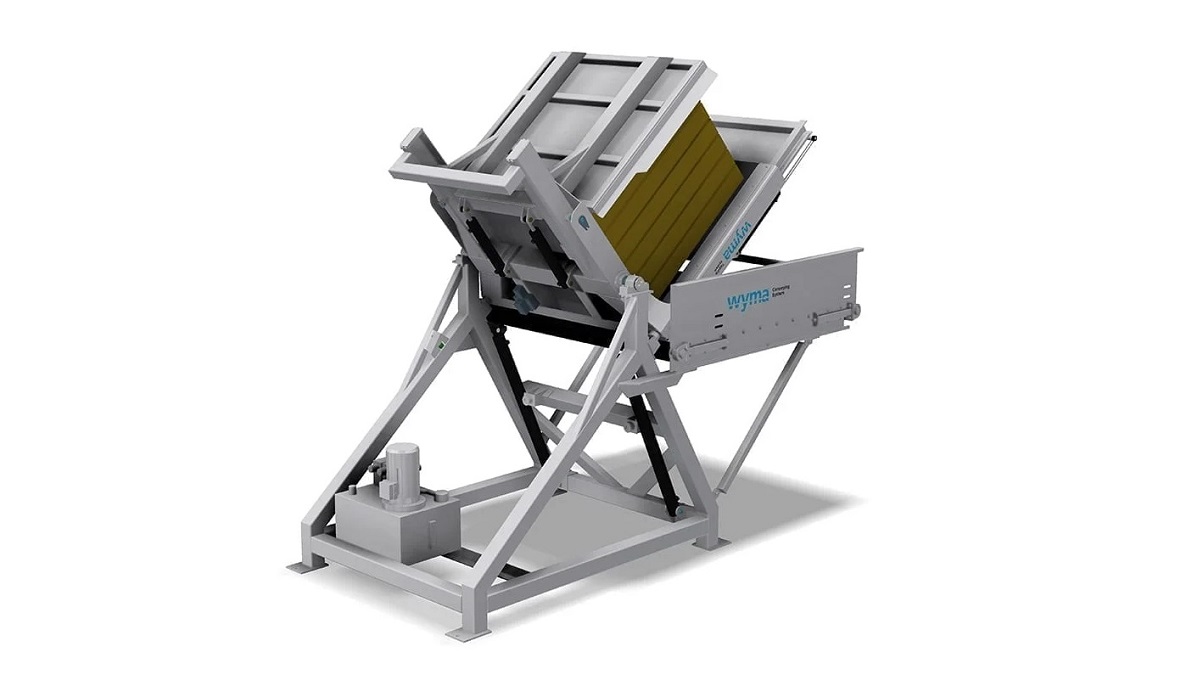
- Irregular intake and feeding: When bin tipping delivers produce in surges rather than at a steady pace, downstream machinery receives uneven loads. Without proper buffering capacity, operators must manually adjust line speeds, resulting in idle periods between bin dumps.
- Manual inspection and grading: These stations represent the most labor-intensive points on the line, where throughput fluctuates with fatigue and shift length. When upstream washing and polishing units outpace inspection teams, produce either backs up or bypasses thorough export-grade quality checks.
- Packaging and outfeed constraints: Upgrading washing or grading capacity without a corresponding increase in filling and packing throughput creates downstream congestion at the end of the line.
Equipment matching and flow automation
Proactive line balancing relies on configuring every machine to handle at least the facility's target throughput. Combining tailored equipment sizing with targeted automation eliminates operational variability and lowers labor requirements per shift:
- Sensor-controlled buffering: Systems such as Wet Hoppers and Evenflow hoppers convert erratic incoming supply into a uniform output stream. Using sensor-driven belt positioning, these buffers accumulate product during surges and release stored vegetables automatically when upstream flow dips.
- Automated trimming and optical grading: Solutions such as the optical Vege-Trimmer (which automatically removes tops, crowns, and tails) alongside optical quality graders replace repetitive manual steps, ensuring consistent export standards without fatigue-related slowdowns.
- Three-step line assessment: To evaluate an existing facility, engineers recommend mapping actual versus rated throughput across a full shift, pinpointing where produce accumulates or downstream operators wait for supply, and implementing targeted buffering, capacity upgrades, or automation at the constraint point.
Source: Wyma Solutions
News of Wyma Solutions
Sustainable industrial future through Wyma technological innovation
Wyma Solutions