
Wyma Solutions
Conditioning
Post-harvest equipment: how to maximize profitability throughout its service life
The profitability of post-harvest equipment depends on the value it delivers throughout its service life, beyond the initial investment
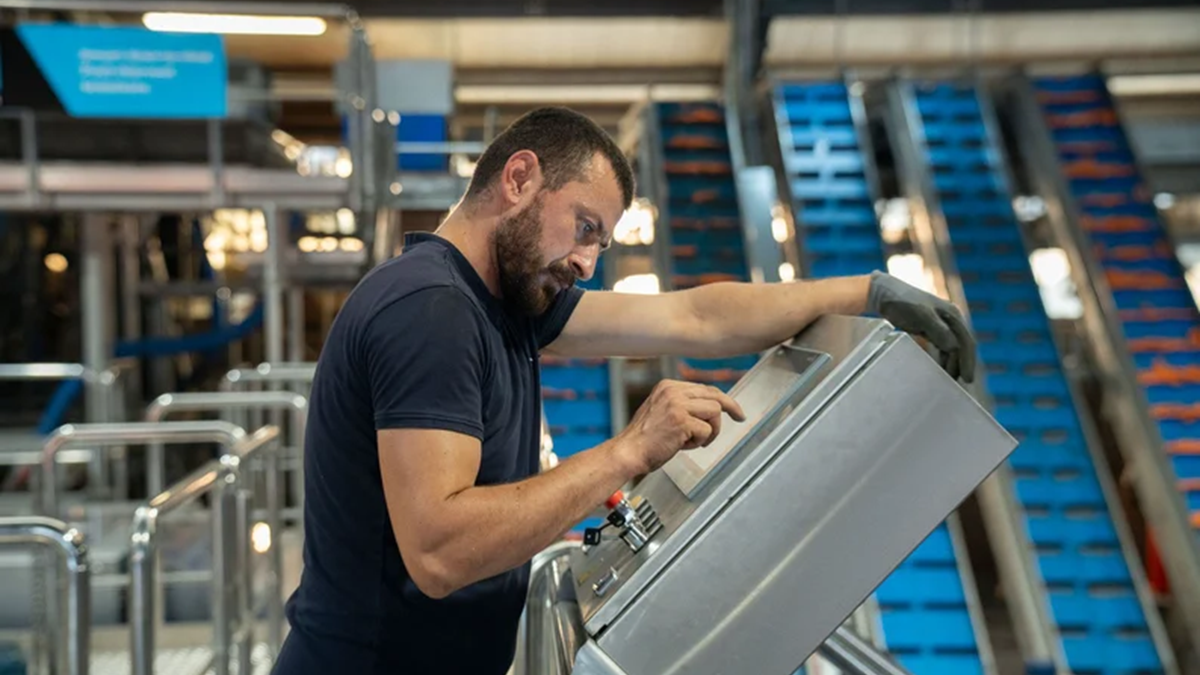
When procurement teams evaluate post-harvest equipment, the conversation often begins and ends at the same point: the purchase price listed in the quote. This is an understandable starting point - capital budgets are finite, and a lower number is easier to justify in the short term. But for equipment that will run daily for a decade or more, the purchase price is only the opening line of a much longer financial story.
Total cost of ownership (TCO) tells that story in full. And for washing, grading, sizing and handling equipment on a vegetable processing line, it's the metric that actually determines whether an investment pays off.
Why Upfront Cost Is a Poor Proxy for Value
Two machines may carry the same price tag yet offer vastly different performance levels. The variables that set them apart rarely appear in the initial quote:
- Build quality and material selection - stainless-grade components, food-safe finishes, and robust drivetrains resist wear and corrosion far longer than budget alternatives, particularly in wet, high-throughput washing and grading environments.
- Energy and water efficiency - equipment designed to minimise consumption compounds savings over thousands of operating hours.
- Downtime cost - every hour a line is stopped for unplanned repairs has a direct cost in lost throughput, labour, and, in peak season, potentially lost contracts.
- Parts availability and support - equipment backed by responsive service and a stocked parts network gets back online in hours, not weeks.
A machine that costs 15% more upfront but runs reliably for 15 years, with predictable servicing and minimal unplanned downtime, will almost always outperform a cheaper alternative that needs major component replacement in year five.
Equipment Lifespan: Built for the Long Haul
Post-harvest equipment is a long-term capital asset, not a consumable. Well-engineered washing, grading, and handling lines are designed to remain in productive service for well over a decade, and in many operations, considerably longer with the right care.
This is where design philosophy matters. Equipment built with:
- Heavy-duty frames and food-grade materials suited to constant washdown and moisture exposure.
- Modular components that can be individually maintained or replaced rather than requiring full unit replacement.
- Simple, accessible mechanical design that reduces the complexity - and cost - of servicing.
...will consistently outlast equipment optimised purely for a low sale price. The businesses that get the most value from their post-harvest lines are the ones that specify for the operating life of the equipment, not just the first season.
The Role of Servicing: Protecting the Investment
Servicing isn't a cost that erodes ROI, it's the mechanism that protects it. A structured maintenance programme:
- Extends operating life by catching wear before it becomes failure.
- Maintains throughput and product quality consistency across the equipment's working life.
- Reduces the likelihood and cost of emergency repairs during peak harvest windows, when downtime is most expensive.
- Preserves resale or trade-in value where equipment is eventually upgraded or replaced.
Operations that treat servicing as an ongoing partnership with their equipment supplier, rather than a reactive call made only when something breaks - consistently report lower lifetime costs and fewer disruptions during critical processing periods.
Upgrades: Extending Value Without Starting Over
One of the most overlooked levers in long-term ROI is the ability to upgrade rather than replace. Well-designed equipment is built with future adaptability in mind allowing operators to:
- Retrofit new technology (such as improved sizing accuracy or automation) onto an existing base.
- Scale capacity as volumes grow, without a full line replacement.
- Adapt to new crop varieties or processing requirements as the business evolves.
This modularity means the original capital investment continues delivering value long after the initial purchase, spreading cost over a much longer useful life and avoiding the disruption and expense of a full line replacement.
Reframing the Investment Conversation
For procurement and operations professionals, the most useful question isn't "what does this cost today?" but "what will this cost - and deliver - over its operating life?" Factoring in build quality, expected lifespan, servicing support, and upgrade pathways gives a far more accurate picture of value than the purchase price alone.
The equipment that delivers the strongest returns isn't always the cheapest to buy. It's the equipment engineered to run reliably, adapt over time, and be properly supported for as long as it's in service, turning a capital purchase into a long-term operational asset.
News of Wyma Solutions
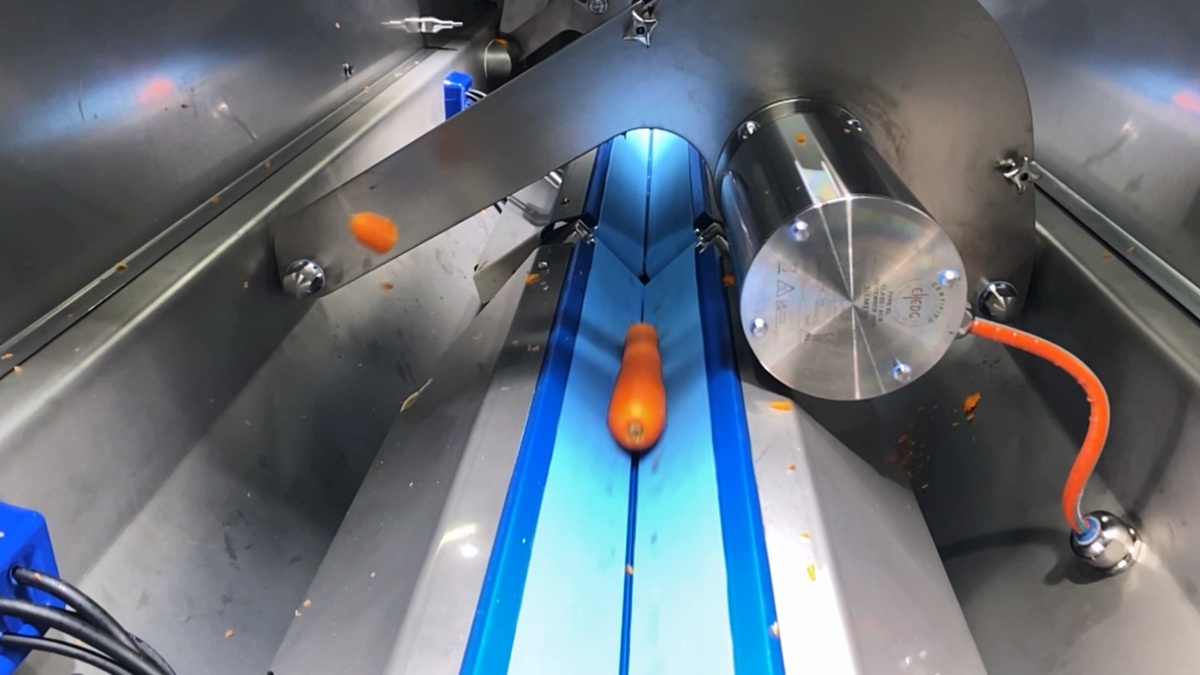
Sustainable industrial future through Wyma technological innovation
Wyma Solutions