
Wyma Solutions
Conditioning
Why Processors Are Moving Toward Integrated Full-Line Solutions
The growing complexity of processing operations, labor shortages, and the need to maximize efficiency are driving an increasing number of companies to opt for integrated, full-line solutions. In this article, Wyma examines the reasons behind this trend and the benefits it brings to the horticultural industry.
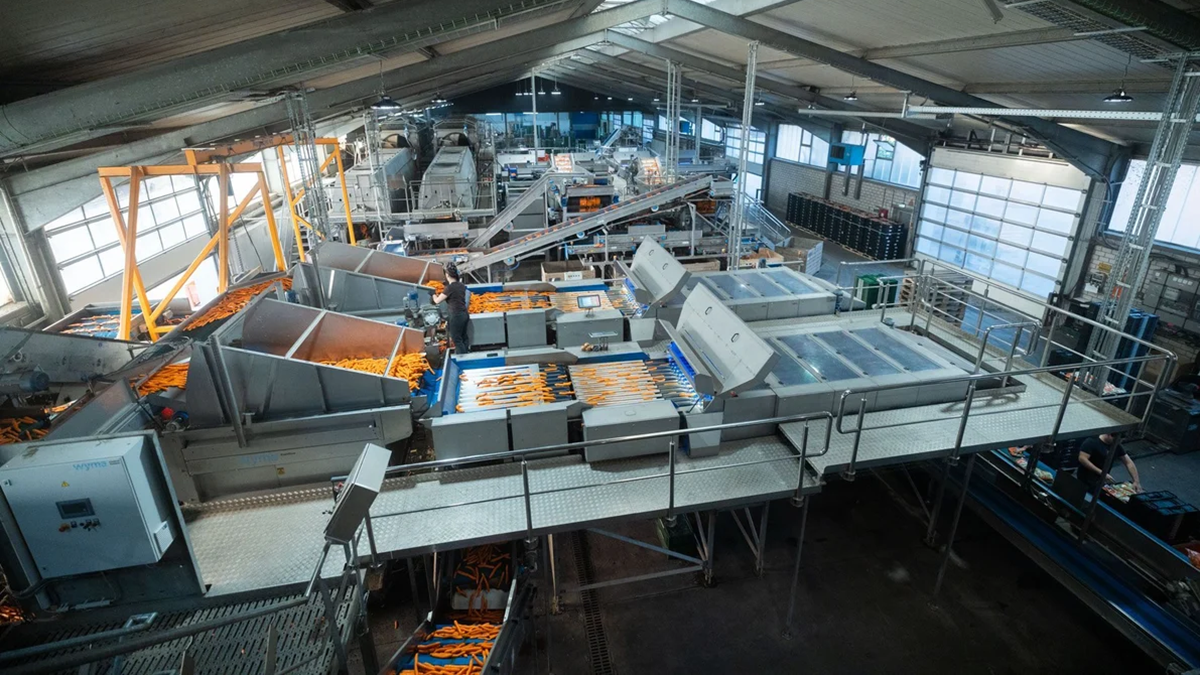
For years, building a processing line meant assembling it piece by piece: a washer from one supplier, a sorter from another, and grading and packaging equipment from various manufacturers. While this approach worked for a long time, it now presents increasing operational challenges.
According to Wyma, a growing number of operators in the horticultural industry are opting for integrated, full-range solutions designed, installed, and maintained as a single, connected system. This shift addresses the need to reduce complexity and improve overall facility efficiency.
Key takeaways of Wyma
- A single supplier responsible for the entire line.
- Reduced complexity in equipment integration.
- Faster, more efficient commissioning.
- Comprehensive, long-term technical support.
- Greater adaptability to future needs.
- The challenge lies in integration.
Most modern processing equipment performs well on an individual basis. However, issues often arise at the connection points between machines, where product flows, automation systems, and controls from different manufacturers must be coordinated.
When an issue arises, identifying the root cause can be a complex task. Determining whether the problem stems from design, installation, integration, or maintenance may require time and the involvement of multiple suppliers.
Pressure on operating costs, the need to maintain high food safety standards, and a shortage of skilled personnel make this complexity increasingly difficult to manage.
A single point of responsibility for the entire operation
One of the main advantages of an integrated line is centralized responsibility. When a single supplier designs and supplies the entire installation, there is one point of contact accountable for the system's overall performance.
This approach reduces response times to issues and simplifies operational management, as the supplier has a comprehensive view of the line and how all its components interact.
Smoother start-ups
The start-up phase is often one of the most critical stages of any project.
In systems built using equipment from different manufacturers, coordinating controls, processing speeds, and automation systems may require significant on-site adjustments.
In contrast, with an integrated solution, the equipment is designed to work together from the outset. This facilitates installation, reduces adjustment times, and simplifies operator training, as staff only need to familiarize themselves with a single operating environment.
Support throughout the facility's lifecycle
The needs of a fruit and vegetable processing facility evolve over time. Crops change, markets demand new specifications, and production volumes increase.
Wyma highlights that an integrated line provides access to a support team with in-depth knowledge of the entire facility, facilitating maintenance as well as future expansions or upgrades.
This comprehensive system knowledge can lead to faster diagnostics, more precise recommendations, and more efficient long-term evolution of the line.
A solution adaptable to every situation
The company notes that the shift toward integrated lines does not mean every business requires a brand-new facility, nor does it mean the end of projects based on individual pieces of equipment.
Decisions depend on multiple factors, such as existing investments, space constraints, or the specific goals of each operation. Consequently, the level of integration can be tailored to the specific needs of each processor.
Wyma’s vision
According to Wyma, the goal of an integrated solution is to shift technical complexity to the supplier, allowing operators to focus on the efficient management of their business.
The company states that its projects are developed based on each client's operational needs, designing solutions that range from a single machine to a complete turnkey line—always backed by support from the design phase through to daily operations.
News of Wyma Solutions
Sustainable industrial future through Wyma technological innovation
Wyma Solutions